Search

Showing posts with label attitude. Show all posts

Saturday, August 10, 2024

Attitude Is Your Superpower

 Here are five lessons from Attitude Is Your Superpower by Eduardo Clemente (Author).


1. The Impact of Attitude on Success:

Lessons could involve exploring how one's attitude influences personal and professional success. The book may delve into the mindset shifts and positive thinking that contribute to achieving life-changing outcomes.
 

2. Cultivating a Positive Mindset:
Eduardo Clemente might provide lessons on cultivating a positive mindset. This could include practical tips and strategies for maintaining optimism, resilience, and a can-do attitude even in the face of challenges.
 

3. Setting and Achieving Goals:
The book may offer insights into the process of setting and achieving meaningful goals. Lessons might involve aligning one's attitude with specific objectives, creating a vision for success, and developing the determination to reach those goals.
 

4. Overcoming Adversity with a Positive Attitude:
Lessons may revolve around overcoming adversity by harnessing the power of a positive attitude. The book might share stories or examples of individuals who have turned challenges into opportunities through their mindset.
 

5. Building Resilience and Confidence:
Eduardo Clemente may provide lessons on building resilience and confidence through attitude. Readers might learn how to bounce back from setbacks, face uncertainties with a positive outlook, and develop the self-assurance needed for life-changing success.

Sunday, July 28, 2024

Now You Can Afford

 5 lessons from the book "Now You Can Afford" by Tarek Abde is a book that provides practical advice on personal finance and money management. While I cannot provide specific lessons from the book, I can offer some general financial principles and lessons that are commonly emphasized in books on personal finance:


1. Budgeting and financial planning: Effective budgeting is essential for managing personal finances. This involves tracking income and expenses, setting financial goals, and creating a plan to achieve those goals.

2. Saving and investing: The book likely emphasizes the importance of saving money regularly and investing wisely to build wealth over time. This may include discussions on different investment vehicles, such as stocks, bonds, mutual funds, and real estate.

3. Debt management: Managing and reducing debt is a crucial aspect of personal finance. The book may provide strategies for paying off debt, avoiding high-interest debt, and using credit responsibly.

4. Building multiple income streams: Diversifying sources of income can provide financial stability and security. The book may discuss strategies for generating additional income through side hustles, investments, or entrepreneurship.

5. Financial literacy and education: Understanding basic financial concepts and principles is key to making informed decisions about money. The book may encourage readers to educate themselves about personal finance topics and seek out resources for ongoing learning.

Wednesday, July 24, 2024

How to Win Friends and Influence People

 Dale Carnegie's "How to Win Friends and Influence People" remains a classic guide to navigating interpersonal relationships and building positive connections. 


Here are some key lessons you can learn from the book:


1. Become genuinely interested in others: People crave attention and appreciation. By genuinely showing interest in their lives, thoughts, and feelings, you can build rapport and establish trust.
 

2. Smile and be enthusiastic: A positive demeanor is contagious. Smiling and projecting enthusiasm make you approachable and create a more pleasant atmosphere for interaction.
 

3. Remember that a person's name is to that person the sweetest and most important sound in any language: Using someone's name personalizes your interaction and shows you value them as an individual.
 

4. Be a good listener: Encourage others to talk about themselves and listen attentively without interrupting. This demonstrates respect and allows you to understand their perspective.
 

5. Talk in terms of the other person's interests: Tailor your conversations to their interests and concerns, making them feel valued and understood.
 

6. Make the other person feel important - and do it sincerely: Everyone wants to feel appreciated. Sincere compliments and recognition can go a long way in building positive relationships.
 

7. Avoid arguing and criticizing: Arguing rarely changes anyone's mind and can damage relationships. Try to find common ground and present your ideas in a respectful and persuasive manner.
 

8. Admit your mistakes quickly and emphatically: Everyone makes mistakes. Owning up to yours demonstrates honesty and integrity, and it fosters trust.
 

9. Try honestly to see things from the other person's point of view: Putting yourself in someone else's shoes helps you understand their perspective and motivations, leading to better communication and collaboration.
 

10. Appeal to the nobler motives: People respond better to appeals to their higher selves, their desire for self-improvement, and their sense of fairness.

Thursday, June 20, 2024

The Power of Kindness

 Lessons From "The Power of Kindness" by Piero Ferrucci


1. The Deliberate Choice of Kindness:

Ferrucci argues that true kindness requires intentionality. It's not just automatic politeness or hollow gestures, but a conscious decision to act with compassion and understanding. This often involves actively seeking out opportunities to be kind, even when it's inconvenient or requires sacrifice.

2. Kindness creates a ripple effect:

The book showcases real-life stories where tiny acts of kindness, like a smile or a helping hand, sparked a chain reaction of positive change. This emphasizes the butterfly effect of kindness, highlighting how our individual choices can have unforeseen far-reaching consequences, and reveals the psychology of social influence, how merely witnessing kindness encourages others to follow suit.

3. More Than Just Giving:

Ferrucci delves deeper into the various expressions of kindness beyond material generosity. He explores how forgiveness, honesty, gratitude, and service all weave into the tapestry of kindness, each contributing to building stronger, more meaningful connections.

4. The Science of Kindness:

The book cites research studies demonstrating the tangible benefits of kindness for both the giver and the receiver. Kindness not only boosts happiness and well-being but also improves physical health and strengthens social bonds, creating a mutually reinforcing cycle of positivity.

5. Setting Healthy Boundaries:

Ferrucci advocates for establishing clear boundaries to prevent burnout and manipulation. Kindness doesn't require self-sacrifice. In fact, true kindness must start from within, yourself. He emphasizes that kindness thrives alongside self-respect and self-care, ensuring a sustainable approach to fostering compassion without self-harm.

6. The Healing Power of Forgiveness Towards Ourselves and Others:

The book discusses different types of forgiveness and their role in promoting healing. It highlights how forgiving others and ourselves frees us from negativity and allows us to move forward with open hearts, fostering both personal and interpersonal well-being.

7. Connecting with Kindness Through Service:

The book highlights how forms of service like volunteering connect us with our community, foster a sense of belonging, and allow us to put kindness into action, creating a tangible impact on others' lives.

8. The Authenticity of Kindness:

Ferrucci emphasizes the importance of self-awareness and understanding your values to guide your acts of kindness. He encourages readers to avoid mimicking others' actions without genuine care and intention behind them, ensuring true meaning and connection in their kindness.

9. Starting Simple and Building Momentum:

The book suggests specific, achievable acts of kindness suitable for beginners, like holding the door open or offering a sincere compliment. It emphasizes celebrating small victories and tracking progress to stay motivated and gradually build a habit of kindness.

Saturday, June 1, 2024

The Power of Discipline

 "The Power of Discipline" by Danel Walter is a book that explores the importance of discipline in achieving success. It delves into the concept of discipline as the key factor in maintaining focus, motivation, and consistency in pursuing goals. The book emphasizes the need to set clear goals, create a plan, overcome procrastination, and develop a proactive mindset. It also highlights the significance of embracing failure, practicing discipline in all areas of life, surrounding oneself with disciplined individuals, and staying committed to one's goals.


Here are 7 lessons from the book:


1. Discipline is the key to success
"The Power of Discipline" emphasizes that discipline is the foundation for achieving success in any area of life. Without discipline, it is difficult to stay focused, motivated, and consistent in pursuing our goals. The book teaches us that discipline is not just about self-control but also about developing habits, setting priorities, and maintaining a strong work ethic.
 

2. Set clear goals and create a plan
The book emphasizes the importance of setting clear and specific goals. It teaches us that discipline becomes easier when we have a clear vision of what we want to achieve. Additionally, the author highlights the significance of creating a well-structured plan that outlines the steps needed to reach our goals. By having a plan in place, we can stay organized, focused, and motivated.
 

3. Overcome procrastination and develop a proactive mindset
"The Power of Discipline" addresses the issue of procrastination and offers strategies to overcome it. The book teaches us to recognize and eliminate distractions, manage our time effectively, and develop a proactive mindset. It emphasizes the importance of taking action, being proactive, and avoiding excuses or delays that hinder our progress.
 

4. Embrace failure and learn from setbacks
The book emphasizes that failure is a natural part of the journey towards success. It teaches us to embrace failure as an opportunity for growth and learning. The author encourages readers to develop a resilient mindset and to view setbacks as valuable lessons rather than permanent defeats. By learning from our mistakes and adapting our approach, we can continue to move forward and achieve our goals.
 

5. Practice self-discipline in all areas of life
"The Power of Discipline" emphasizes that discipline is not limited to one specific area of life but should be practiced in all aspects. The book encourages readers to develop discipline in areas such as health, relationships, finances, and personal development. It teaches us that by practicing discipline in all areas, we can create a balanced and fulfilling life.
 

6. Surround yourself with disciplined individuals
The book emphasizes the importance of surrounding ourselves with disciplined individuals who can serve as positive influences and role models. It teaches us that the company we keep plays a significant role in our own discipline and success. By surrounding ourselves with like-minded individuals, we can create a supportive environment that fosters discipline and personal growth.
 

7. Stay committed and persevere
"The Power of Discipline" emphasizes the importance of staying committed to our goals and persevering through challenges. The book teaches us that discipline requires consistency and dedication, even when faced with obstacles or setbacks. It encourages readers to stay focused, maintain a positive mindset, and keep pushing forward, regardless of the difficulties encountered along the way.
 

"The Power of Discipline" provides valuable lessons on how discipline can transform our lives and help us achieve success. It teaches us the importance of setting clear goals, creating a plan, overcoming procrastination, embracing failure, practicing discipline in all areas, surrounding ourselves with disciplined individuals, and staying committed to our goals.

Wednesday, May 22, 2024

Master Your Beliefs

 8 practical lessons from the book "Master Your Beliefs" by Thibaut Meurisse

"Master Your Beliefs" by Thibaut Meurisse is a book that focuses on the power of beliefs and how they shape our lives.


1. Beliefs shape reality:

Our beliefs act as filters through which we perceive the world. They influence our thoughts, emotions, and actions, ultimately shaping our reality. By understanding and mastering our beliefs, we can create a more empowering and fulfilling life.

2. Question your beliefs:

Many of our beliefs are inherited from our upbringing, society, or past experiences. It is essential to question these beliefs and determine whether they serve us or hold us back. By challenging and replacing limiting beliefs, we can open ourselves up to new possibilities.

3. Choose empowering beliefs:

We have the power to choose our beliefs consciously. Instead of adopting disempowering beliefs, we can intentionally cultivate beliefs that support our growth, success, and happiness. This requires self-awareness and a willingness to let go of old patterns.

4. Reprogram your subconscious mind:

Our subconscious mind plays a significant role in shaping our beliefs. Through techniques like affirmations, visualization, and repetition, we can reprogram our subconscious mind to adopt new empowering beliefs. Consistency and persistence are key in this process.

5. Embrace a growth mindset

Cultivating a growth mindset is crucial for mastering our beliefs. This mindset recognizes that our abilities and intelligence can be developed through effort and learning. By adopting a growth mindset, we can overcome self-limiting beliefs and embrace continuous growth and improvement.

6. Surround yourself with positive influences

Our beliefs can be influenced by the people we surround ourselves with. It is important to choose positive and supportive relationships that encourage growth and empower our beliefs. Seek out mentors, coaches, or like-minded individuals who can inspire and challenge you.

7. Take inspired action:

Beliefs alone are not enough; action is necessary to manifest our desired outcomes. By aligning our beliefs with intentional action, we can create positive change in our lives. Taking consistent, inspired action reinforces our beliefs and builds momentum towards our goals.

8. Practice self-reflection:

Regular self-reflection allows us to identify and evaluate our beliefs. By examining our thoughts, emotions, and behaviours, we can uncover any limiting beliefs that may be holding us back. Self-reflection also helps us stay aligned with our values and purpose.

Remember, mastering your beliefs is an ongoing process. It requires self-awareness, commitment, and a willingness to challenge and transform your existing beliefs. By doing so, you can unlock your full potential and create the life you desire.

Thanks for reading.

Saturday, April 20, 2024

You Can Heal Your Life

 "You Can Heal Your Life" by Louise Hay is a groundbreaking book that explores the mind-body connection and offers practical techniques for healing and personal transformation. 


Here are some key lessons from the book:

1. The Power of Affirmations: Hay emphasizes the importance of positive affirmations in healing and self-transformation. Affirmations are positive statements that, when repeated regularly, can reprogram the subconscious mind and replace negative beliefs with positive ones.

2. Self-Love and Self-Acceptance: Central to Hay's philosophy is the idea that love and acceptance of oneself are essential for healing. She encourages readers to let go of self-criticism and judgment and to cultivate a deep sense of self-love and self-worth.

3. The Mind-Body Connection: Hay explores the connection between the mind and the body, suggesting that many physical ailments are manifestations of unresolved emotional issues. By addressing these underlying emotional causes, individuals can facilitate healing on a physical level.

4. Forgiveness: Forgiveness is a recurring theme in the book. Hay teaches that holding onto resentment and anger can create physical and emotional blockages that prevent healing. Forgiving oneself and others is essential for releasing these blockages and opening the door to healing.

5. Taking Responsibility for Healing: Hay empowers readers to take responsibility for their own healing journey. She encourages individuals to become active participants in their own healing process by practicing self-care, adopting healthy habits, and seeking out resources and support.

6. Releasing Limiting Beliefs: Many of our negative beliefs about ourselves are formed in childhood and can continue to hold us back as adults. Hay teaches techniques for identifying and releasing these limiting beliefs, allowing individuals to create new, empowering beliefs that support their growth and healing.

7. The Power of Visualization: Visualization is a powerful tool for manifesting positive change. Hay guides readers through visualization exercises designed to help them create the life they desire, whether it's improved health, abundance, or loving relationships.

8. Living in the Present Moment: Hay encourages readers to let go of regrets about the past and worries about the future and to focus on the present moment. Mindfulness practices such as meditation and deep breathing can help individuals cultivate a sense of peace and presence.

9. Gratitude and Appreciation: Cultivating an attitude of gratitude is key to creating positive change in one's life. Hay encourages readers to focus on what they are grateful for and to express appreciation for the blessings in their lives, no matter how small.

10. The Importance of Love and Connection: Ultimately, Hay teaches that love is the most powerful healing force. She emphasizes the importance of nurturing loving relationships and fostering connections with others as essential components of a healthy, fulfilling life.

Also read: https://howtomakemoney4000.blogspot.com/2024/01/set-boundaries-find-peace.html

"You Can Heal Your Life" is a transformative guide to healing and personal growth, offering practical tools and techniques for creating positive change in every aspect of life. By embracing self-love, forgiveness, and gratitude, readers can tap into their innate power to heal and create the life they desire.

Tuesday, April 9, 2024

Success Is a Choice

 Lessons from the book "Success Is a Choice" By John C. Maxwell


1. Success is a choice: The most important lesson from the book is that success is not something that happens by chance, but rather a deliberate decision that individuals make. It is up to each person to set their goals, work hard, and make the necessary choices to achieve success.

2. Take responsibility for your own success: Maxwell emphasizes the importance of taking ownership of your own success. Instead of blaming external factors or circumstances for your lack of progress, focus on what you can control and take action to move towards your goals.

3. Develop a positive attitude: A positive attitude is crucial for achieving success. Maxwell discusses the importance of maintaining a positive mindset, even in the face of challenges and setbacks. By cultivating a positive attitude, you can approach obstacles with resilience and determination.

4. Surround yourself with the right people: The people you surround yourself with can have a significant impact on your success. Maxwell advises readers to choose their relationships wisely, seeking out mentors and peers who can support and encourage them on their journey towards success.

5. Continuously strive for improvement: Success is not a destination but a journey. Maxwell stresses the importance of continuously learning and growing in order to achieve your goals. By embracing a mindset of continuous improvement, you can stay motivated and make progress towards your objectives.

6. Set clear goals and priorities: In order to achieve success, it is essential to set clear goals and priorities. Maxwell encourages readers to identify what they want to accomplish and create a plan for how to get there. By setting specific, measurable goals and prioritizing tasks, individuals can stay focused and make progress towards their objectives.

7. Embrace failure as a learning opportunity: Failure is an inevitable part of the journey towards success. Maxwell highlights the importance of embracing failure as a learning opportunity, rather than letting it deter you from your goals. By viewing failure as a chance to grow and improve, individuals can bounce back stronger and more resilient than before.

Tuesday, April 2, 2024

How Highly Effective People Speak

 7 Key Lessons from "How Highly Effective People Speak: How High Performers Use Psychology to Influence With Ease":


1. Master the Mind's Operating System:
Understand how the human mind processes information and makes decisions. Use this knowledge to tailor your communication for maximum impact, leveraging principles like social proof, reciprocity, and scarcity.

2. Speak to Their Pain Points: Identify the challenges, desires, and fears of your audience. Address them directly and offer solutions or opportunities that resonate with their needs. 

3. Use Powerful Storytelling: Stories capture attention, evoke emotions, and make information memorable. Weave compelling narratives into your communication to connect with your audience on a deeper level. 

4. Harness the Power of Questions: Guide conversations, uncover hidden information, and encourage engagement through strategic questioning. Open-ended questions spark thought and active participation.
 

5. Frame Your Message: Words matter. Choose language that paints a positive picture, avoids negativity, and emphasizes the benefits your message offers. Frame your ideas in a way that aligns with your audience's values.
 

6. Develop Charisma and Confidence: Project confidence, enthusiasm, and authenticity in your voice and body language. This builds trust, credibility, and makes you more persuasive.
 

7. Practice Active Listening: Truly listen to understand, not just to respond. Pay attention to verbal and nonverbal cues. Acknowledge and respond to your audience's concerns and viewpoints.
Bonus Lesson: Continuous Learning: Communication is a continuous learning journey. Observe successful communicators, practice various techniques, and seek feedback to refine your skills.
 

Remember, these are just some key takeaways. Each chapter in the book might delve deeper into specific strategies and tactics. For a more comprehensive understanding, I encourage you to read "How Highly Effective People Speak" yourself.

Wednesday, March 27, 2024

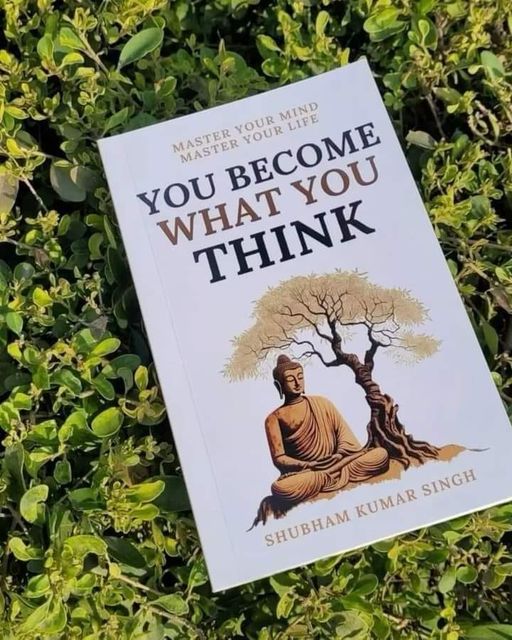
You Become What You Think

 Here are 8 key lessons you can glean from Shubham Kumar Singh's book "You Become What You Think":


1. Your Thoughts Are Your Architects: The book emphasizes that your thoughts are the building blocks of your life. Positive thoughts and beliefs in yourself create a strong foundation, while negativity weakens your potential. You have the power to choose your thoughts and be the architect of your reality.
 

2. The Power of Mindfulness: Being mindful involves cultivating awareness of your thoughts and emotions without judgment. This allows you to identify negative thought patterns and consciously choose more empowering ones.
 

3. Action Fuels Thought: Positive thinking is a great start, but it's not enough. The book stresses the importance of taking action to bridge the gap between your dreams and reality. Set goals, take concrete steps, and persevere through challenges.
 

4. Reframe the Narrative: We often tell ourselves limiting stories about who we are and what we can achieve. The book encourages you to identify and challenge these negative narratives. Reframing your inner story with empowering beliefs can rewrite your destiny.
 

5. Gratitude Unlocks Abundance: Focusing on what you lack creates a feeling of scarcity. The book suggests cultivating gratitude for the good things in your life, big and small. Appreciation opens you up to receive more abundance in all forms.
 

6. The Power of Forgiveness: Holding onto resentment and past hurts only weighs you down. The book advocates for forgiveness, not necessarily for others, but for yourself. Let go of negativity and move forward with a lighter heart.
 

7. Invest in Relationships: Strong social connections are essential for well-being. The book highlights the importance of nurturing positive relationships with loved ones, friends, and mentors. These connections provide support, encouragement, and a sense of belonging.
 

8. Embrace Continuous Learning: Never stop learning and growing. The book emphasizes the importance of constantly seeking knowledge, expanding your horizons, and challenging yourself mentally. This keeps your mind sharp and opens doors to new possibilities.

Monday, March 18, 2024

My Morning Routine

 10 lessons to learn from   "My Morning Routine" by Benjamin Spall


  1. Whether intentional or not, everyone has a morning routine. By becoming conscious of it, you can optimize it for better results.
  2. Identify what gets you out of bed and excited to start your day. It could be a specific task, a personal goal, or simply the joy of a quiet morning.
  3. Utilize the focus and clarity of early mornings for important tasks or activities that require your best mental effort.
  4. Starting your day with exercise, even light movement, improves mood, energy levels, and sets a positive tone for the day.
  5. A morning meditation practice can enhance focus, reduce stress, and cultivate a sense of calm throughout the day.
  6. Minimize screen time and technology use in the mornings to avoid distractions and prioritize mindfulness.
  7. Prepare the night before by laying out clothes, packing lunches, or prepping for work. This eliminates morning stress and helps you stay on schedule.
  8. Prioritize good sleep hygiene to ensure you wake up feeling refreshed and ready to tackle your morning routine.
  9. Dedicate some "me-time" in the morning, even if it's just a few minutes, to read, reflect, or enjoy a quiet activity.
  10. Remember Life happens. Be willing to adjust your routine as needed and find what works best for you over time.

Sunday, March 17, 2024

The Art of Being Alone: Solitude Is My HOME

 7 Powerful Lessons from "The Art of Being Alone: Solitude Is My HOME, Loneliness Was My Cage":


1. Solitude vs. Loneliness: The book differentiates between solitude, a chosen state of peaceful introspection, and loneliness, an unwanted feeling of isolation. Embracing solitude can be empowering and lead to personal growth, while loneliness needs to be addressed.
 

2. Redefining Freedom: True freedom lies not just in external connections but also in the internal freedom to enjoy your own company. Cultivating solitude allows you to connect with your inner self and discover your authentic desires and needs.


3. The Power of "No": Saying "no" to social obligations that don't align with your needs allows you to prioritize solitude and recharge. Don't feel pressured to constantly be surrounded by people.


4. Embrace Activities You Enjoy Alone: Engaging in activities that bring you joy when done alone, like reading, writing, or pursuing creative hobbies, can make solitude fulfilling and enriching.
 

5. Silence as a Tool: Cultivating a comfortable relationship with silence can be transformative. It allows for deeper reflection, introspection, and connection to your inner world.
 

6. Building a Supportive Network: While embracing solitude, nurture meaningful connections with people who respect your need for alone time. Surround yourself with individuals who uplift and support your personal growth.
 

7. Embrace Imperfections: Don't fear being judged for enjoying solitude. Own your need for alone time and understand that it's a legitimate and healthy part of being human.

Saturday, March 16, 2024

Start Where You Are

 In a world obsessed with quick fixes and external validation, Pema Chödrön's "Start Where You Are" offers a radical approach: compassionate living that begins with accepting ourselves exactly as we are, flaws and all. This perennial bestseller uses down-to-earth language and deep wisdom to guide us away from the futile attempts to "fix" our pain. Chödrön teaches us to use life's inevitable difficulties as opportunities for growth and transformation. 

Here are 11 key takeaways from the book:


1. Impermanence is Real:  Accept that life is constantly changing, and difficulty is an inevitable part of the journey. Clinging to the idea of permanence as a source of security is ultimately what leads to suffering.
 

2. Lean into Difficulty:  Our natural instinct is to resist or avoid hardship.  Chödrön suggests that facing challenges with courage fosters growth and inner strength. By running away from difficulties, we prolong the suffering they cause.


3. The "Welcome" Gesture:  Instead of pushing away pain or challenges, approach them with curiosity and openness. View them as opportunities for learning and transformation. Imagine greeting difficulty with a simple "Hello" rather than shutting the door.
 

4. Beginner's Mind:  Let go of preconceived notions and judgments. Approach challenges with a fresh perspective, open to new possibilities and creative solutions. Imagine encountering a situation for the very first time, free from past experiences or expectations.
 

5. Befriend Your Emotions:  Acknowledge and accept the full range of emotions that arise during difficult times. Don't judge yourself for feeling sad, angry, or scared. By observing your emotions without judgment, you can begin to understand them and navigate them more effectively.
 

6. Compassion as an Antidote:  Cultivate self-compassion and compassion for others. Kindness and understanding can alleviate suffering and foster a sense of inner peace. When faced with difficulty, offer yourself the same kindness and support you would offer a loved one.
 

7. The Power of Now:  Focus on the present moment. Dwelling on the past or worrying about the future creates unnecessary anxiety. By anchoring yourself in the present moment, you can respond to challenges more mindfully and appreciate the simple joys of life, even amidst hardship.
 

8. Intimacy with Fear:  Instead of fearing fear itself, acknowledge its presence. Observe it without judgment and learn from the information it provides. Fear can often be a signal that something needs attention or a course correction.
 

9. When Things Fall Apart is the Perfect Teacher:  Difficult times offer valuable lessons for growth. Embrace challenges as opportunities for self-discovery.  Ask yourself, "What can I learn from this experience?"
 

10. Relax As It Is:  Let go of the need to control situations. Accept things as they are and focus on what you can control – your thoughts, reactions, and actions.  Trying to force control over what is outside your influence only creates more stress.

Monday, March 11, 2024

How to Think Bigger

 10 lessons from "How to Think Bigger: Aim Higher, Get More Motivated, and Accomplish Big Things" by Martin Meadows and John Gagnepain:


    1. Expand Your Vision: Challenge yourself to think beyond your current limitations and expand your vision of what's possible. Cultivate a mindset that embraces big goals and dreams.
 

    2. Set Ambitious Goals: Dare to set ambitious goals that push you outside your comfort zone. Break down big goals into smaller, actionable steps to make them more achievable.
 

    3. Overcome Self-Limiting Beliefs: Identify and overcome self-limiting beliefs that hold you back from thinking and acting bigger. Challenge negative thoughts and replace them with empowering beliefs.
 

    4. Take Bold Action: Don't let fear or doubt paralyze you. Take bold, decisive action toward your goals, even if it means stepping into the unknown or facing temporary setbacks.
 

    5. Embrace Failure as Feedback: View failure as a natural part of the learning process and an opportunity for growth. Learn from your mistakes, adjust your approach, and keep moving forward.
 

    6. Surround Yourself with Visionaries: Surround yourself with people who inspire and challenge you to think bigger. Seek out mentors, role models, and peers who embody the mindset of success.
 

    7. Visualize Success: Use the power of visualization to imagine yourself achieving your biggest goals and dreams. Visualize the process and outcome in vivid detail to reinforce your motivation and commitment.
 

    8. Develop Resilience: Cultivate resilience to overcome obstacles and setbacks on your journey to thinking bigger. Develop coping strategies, bounce back quickly from adversity, and stay focused on your long-term vision.
 

    9. Continuous Learning and Growth: Commit to lifelong learning and personal growth to continuously expand your thinking and capabilities. Invest in your education, seek out new experiences, and embrace challenges as opportunities for development.
 

    10. Take Inspired Action: Align your actions with your big-picture vision and values. Take inspired action that is in alignment with your goals and purpose, and be proactive in pursuing your dreams.
 

These lessons from "How to Think Bigger" emphasize the importance of expanding your mindset, setting ambitious goals, taking bold action, and embracing failure as a stepping stone to success. By adopting a mindset of possibility and aiming higher, you can accomplish big things and create the life you desire.

Tuesday, February 27, 2024

The Psychology of Money

 Here are 7 lessons from The Psychology of Money: Timeless lessons on wealth, greed, and happiness by Morgan Housel (Author)


 1: Embrace Long-Term Thinking.
"The Psychology of Money" emphasizes the importance of adopting a long-term mindset when it comes to wealth and financial decisions. Morgan Housel highlights the benefits of patience, compound interest, and the power of time in building wealth. By focusing on long-term goals and resisting impulsive decisions, individuals can make more informed choices and achieve greater financial security.
 

 2: Understand the Role of Luck. Housel emphasizes the role of luck in financial success. Recognizing that luck plays a significant part in our financial outcomes can help us avoid attributing success solely to our own abilities. By acknowledging the role of luck, we can develop a sense of humility, gratitude, and a more realistic perspective on our financial journey.
 

 3: Control What You Can Control. One of the key lessons from "The Psychology of Money" is the importance of focusing on the aspects of our finances that we can control. Housel stresses the significance of factors such as savings rate, spending habits, and investment decisions, rather than trying to predict or control market outcomes. By focusing on what we can control, we can make better financial choices and build a more stable financial future.
 

4: Define Your Own Version of Wealth. Housel challenges the traditional notion of wealth and encourages readers to redefine what wealth means to them personally. He emphasizes the importance of considering factors beyond monetary gain, such as happiness, fulfillment, and meaningful relationships. By redefining wealth on our own terms, we can find greater satisfaction and contentment in our financial lives.
 

 5: Avoid the Pitfalls of Greed and Fear. "The Psychology of Money" explores the psychological biases that influence our financial decisions, particularly the pitfalls of greed and fear. Housel highlights how these emotions can lead to poor investment choices and impulsive behaviors. By understanding and managing our emotional responses to money, we can make more rational and sound financial decisions.
 

6: Learn from the Past. Housel stresses the importance of learning from historical events and financial mistakes. By studying past economic cycles and financial crises, individuals can gain valuable insights into the patterns and tendencies of markets. This knowledge can help inform better financial decisions and prevent repeating past mistakes.
 

7: Invest in Knowledge and Continuous Learning. Continuous learning is a vital lesson from "The Psychology of Money." Housel emphasizes the value of investing in one's knowledge and financial literacy. By staying informed and continuously learning about personal finance, investing, and economic trends, individuals can make more informed decisions and navigate the complexities of the financial world more effectively.

Saturday, February 10, 2024

Resilience

 8 lessons from the book "Resilience" by Andrew Zolli


"Resilience" by Andrew Zolli is a book that explores the concept of resilience and how individuals, communities, and organizations can develop the ability to adapt and thrive in the face of challenges and disruptions.


1. Resilience is a mindset:
Resilience is not just about bouncing back from adversity; it is a mindset that enables individuals and communities to anticipate, prepare for, and adapt to change.
It involves embracing uncertainty and being open to learning and growth.


2. Diversity and redundancy are crucial:
Building resilience requires diversity and redundancy in systems and networks.
By having multiple options and backups, we can better withstand shocks and disruptions. This applies to both natural systems and human organizations.


3. Foster adaptive capacity:
Developing adaptive capacity is essential for resilience. This involves cultivating the ability to learn, innovate, and respond effectively to changing circumstances.
It requires a culture of experimentation, collaboration, and continuous improvement.


4. Embrace complexity:
Resilience thinking acknowledges the interconnectedness and complexity of our world. It encourages us to consider the broader systems and networks in which we operate and to understand the potential ripple effects of our actions.
By embracing complexity, we can make more informed decisions and avoid unintended consequences.


5. Invest in social capital:

Strong social connections and networks are critical for resilience.
Building trust, fostering collaboration, and investing in social capital can help communities and organizations come together during times of crisis and support each other in recovery and rebuilding.


6. Learn from nature:
Nature has evolved over billions of years to be resilient. By studying natural systems and their ability to adapt and recover, we can gain valuable insights and apply those principles to our own lives and organizations.


7. Plan for the long term:
Resilience requires long-term thinking and planning. It involves considering the potential future challenges and disruptions and taking proactive steps to mitigate risks and build adaptive capacity.


8. Cultivate personal resilience:
Building personal resilience is essential for navigating lifes challenges. This involves developing self-awareness, emotional intelligence, and the ability to bounce back from setbacks. 


It also includes practicing self-care, maintaining a positive mindset, and seeking support when needed.
"Resilience" highlights the importance of embracing change, building adaptive capacity, and fostering connections to thrive in an increasingly complex and uncertain world.

Friday, February 9, 2024

The Compound Effect

 "The Compound Effect" by Darren Hardy is a powerful message about achieving big results through small, consistent actions. It argues that tiny decisions, like reading 10 pages daily or exercising for 15 minutes, snowball over time, leading to immense success. Think of it like building interest on your achievements; every small step compounds, creating a future of remarkable outcomes.


Lessons from "The Compound Effect" by Darren Hardy:


1. Small Choices, Big Results: The book's core principle is the "Compound Effect," highlighting how small, consistent choices, decisions, and actions, even seemingly insignificant ones, can accumulate over time to produce remarkable achievements. This shifts the focus from quick fixes and grand gestures to consistent, sustainable progress.


2. Choice Determines Destiny:
You are in control of your choices, and those choices ultimately determine your future. Hardy emphasizes the importance of taking responsibility for your life and consciously directing your daily decisions towards your goals.


3. Consistency is Key:
Consistency trumps intensity. While occasional bursts of effort can be helpful, it's the daily, consistent application of effort that truly pays off in the long run. Building positive habits and routines is crucial for sustained progress.


4. Focus on Progress, Not Perfection: Don't be paralyzed by the fear of not being perfect. Embrace progress, celebrate small wins, and learn from mistakes. The journey to success is a continuous learning process, not a destination.


5. Invest in Yourself: Knowledge is power. Investing in your personal and professional development through learning, skills acquisition, and mentorship can significantly accelerate your growth and increase your compound effect.

"Jumpstart your income, your life, your success".  Thank you for stopping by.
 

Tuesday, February 6, 2024

100 THINGS WE'VE LOST TO THE INTERNET


  Imagine stepping into a time machine, not to visit the roaring twenties or ancient Rome, but to a mere two decades ago. A world without Google Maps, Instagram stories, or the constant hum of notifications. Pamela Paul's "100 Things We've Lost to the Internet" invites us on this unexpected journey, not to romanticize the past, but to help our relationship with the present. Here are SEVEN of the many things we've lost that resonated deeply with me:

1. The Thrill of the Unknown:
Remember the anticipation of waiting for a handwritten letter, the delicious uncertainty of who might be on the other end of the landline? The internet, for all its convenience, has replaced that with the predictable scroll, the curated feed. Paul reminds us of the beauty of not knowing, of letting curiosity simmer instead of instantly gratifying it.

2. The Power of Boredom:
In a world of constant stimulation, boredom has become a dirty word. Yet, Paul argues, it's in those quiet moments, unpropped by screens, that imagination takes flight, creativity sparks, and introspection deepens. She calls us to reclaim the lost art of “doing nothing," and to let our minds wander and surprise us.

3. The Grace of Imperfection:
Remember the grainy charm of Polaroid pictures, the handwritten note with its telltale smudges? The internet, with its filters and flawless facades, has bred a culture of perfectionism. Paul reminds us of the beauty in the unpolished, the real, the unfiltered. It's a message of self-acceptance, a balm to the soul in the age of curated online personas.

4. The Power of Aloneness:
Before the internet, being alone was a normal and healthy state of being. It involved solitude, reflection, and self-care. Paul reveals how being alone can benefit our well-being, as it can give us space, peace, and perspective. She also warns us to protect our time alone, as it can be invaded by the internet, which can make us feel lonely, anxious, and overwhelmed.

5. The Joy of Serendipity:
Stumbling upon a handwritten recipe in a dusty cookbook, discovering a hidden bookstore tucked away on a cobblestone street – these were the serendipitous joys of the pre-internet age. Paul laments the loss of chance encounters, of the unexpected treasures waiting to be unearthed if we just put down our phones and explore.

6. The Art of Deep Listening:
Before the internet, tweets, reels and stories, listening was a respectful and attentive way of engaging with someone. It involved hearing, understanding, and responding. Paul illustrates how listening can improve our relationships, as it can show our interest, empathy, and support. She also urges us to practice the skill of listening, as it can be compromised by the internet, which can distract us, interrupt us, and isolate us.

7. How to write a letter:

Before the internet, writing a letter was a meaningful and personal way of communicating with someone. It required time, effort, and care. Paul shows us how writing a letter can express our emotions, thoughts, and personality in a way that email, text, or social media can’t. She also encourages us to revive the art of letter writing, as it can strengthen our bonds, preserve our memories, and delight our recipients.


I found the book to be a masterful exploration of what the digital age has subtly, sometimes fiercely, reshaped in our lives. Reading this book wasn't a trip down memory lane; it was a call to action. It wasn't about abandoning technology, but about finding a healthy balance, a mindful co-existence with the digital world.


Tuesday, January 30, 2024

"The Simple Path to Wealth"

 Top 7 critical lessons from "The Simple Path to Wealth" by JL Collins.

1. Embrace Compounding: Time is your greatest asset. The earlier you start investing and let your money grow through compounding (earning interest on interest), the more wealth you'll accumulate over time.

2. Index Funds are Your Friends: Skip the complex and expensive investment schemes. Index funds offer broad diversification and low costs, making them ideal for long-term wealth building. Stick with low-cost, broadly diversified index funds that track major market indices like the S&P 500.

3. Ditch the Market Timing: Trying to predict market ups and downs is a fool's errand. Focus on a long-term investment strategy and avoid emotional decisions based on market fluctuations. Stay disciplined, invest consistently, and let time do its magic.

4. Live Below Your Means: Spending less than you earn is the cornerstone of wealth building. Track your expenses, identify areas to cut back, and automate your savings. The more you save, the faster your wealth will grow.

5. Debt is the Enemy: High-interest debt can cripple your financial progress. Prioritize paying off debt, especially high-interest credit cards and loans. Once debt-free, avoid accumulating new debt and strive to live a debt-free life.

6. Define Your "F-You Money" Number: This is the amount you need to live comfortably without relying on a paycheck. Knowing your number gives you a clear financial goal to work towards and provides peace of mind.

7. Invest in Yourself: Your biggest asset is you. Invest in your skills, knowledge, and health. Continuously learn, develop new skills, and take care of your physical and mental well-being. This investment will pay off throughout your life.


Enjoy the rest of your Day and happy reading!


'ATTITUDE IS EVERYTHING'

 3 LESSONS FROM THE BOOK 'ATTITUDE IS EVERYTHING' BY JEFF KELLER

 "Attitude Is Everything" by Jeff Keller is a motivational manifesto reminding us that our perspective shapes our reality. He argues our attitude acts as a window, framing how we see the world and attracting experiences accordingly. Through visualization, commitment, and reframing challenges as opportunities, we can harness the power of positive thinking and transform problems into stepping stones. By minding our words, checking in with ourselves, and choosing positive company, we cultivate an uplifting mindset that attracts success and happiness. This book isn't just about feeling good; it's about unlocking our potential and shaping the life we desire, one positive thought at a time. Start today and watch your window to the world shine!
 Lessons from Jeff Keller's "Attitude Is Everything":
 
1. Your Attitude is Your Window to the World: Just like a window, your attitude frames how you perceive and interact with the world around you. A positive attitude allows you to see opportunities and possibilities, while a negative one can limit your vision and lead to self-fulfilling prophecies.

2. You're a Human Magnet: Your attitude acts like a magnet, attracting or repelling people and experiences. A positive attitude naturally draws others to you, while a negative one can create walls and push people away.

3. Picture Your Way to Success: Visualization is a powerful tool for achieving your goals. By vividly imagining yourself achieving your desired outcomes, you can program your mind for success and increase your chances of making it happen.


 Happy reading! Stay tuned, I will be back...

9 habits of financially successful people

  More to read: https://howtomakemoney4000.blogspot.com/2024/03/five-doors-of-success.html https://howtomakemoney4000.blogspot.com/2024/06/t...