Search

Showing posts with label learning. Show all posts

Monday, October 7, 2024

Why Are We Yelling?

10 key lessons from "Why Are We Yelling? The Art of Productive Disagreement" by Buster Benson:


1.    Embrace Diversity of Thought: Recognize that disagreements stem from differing perspectives and experiences. Embrace diversity of thought as an opportunity for learning and growth.


2.    Practice Active Listening: Listen actively and empathetically to understand the other person's point of view. Avoid interrupting or dismissing their perspective, and strive to find common ground.
 

3.    Seek to Understand: Approach disagreements with curiosity and a genuine desire to understand the other person's reasoning and motivations. Ask questions and engage in dialogue to clarify their perspective.
 

4.    Acknowledge Emotions: Acknowledge and validate emotions, both your own and those of the other person. Emotions play a significant role in disagreements, and addressing them can help facilitate productive dialogue.
 

5.    Focus on Solutions: Shift the focus from blame and criticism to finding solutions that address the underlying issues. Collaborate with the other person to identify mutually beneficial outcomes.
 

6.    Set Clear Boundaries: Establish clear boundaries and guidelines for respectful communication during disagreements. Avoid personal attacks or derogatory language, and prioritize constructive dialogue.
\

7.    Take Breaks When Needed: Recognize when emotions are running high and take breaks as needed to cool off and regain perspective. Returning to the discussion with a clear mind can help facilitate more productive dialogue.
 

8.    Practice Empathy: Put yourself in the other person's shoes and consider their perspective with empathy and compassion. Understanding their point of view can foster greater mutual respect and understanding.
 

9.    Focus on Learning: Approach disagreements as opportunities for learning and personal growth. Instead of viewing them as adversarial, embrace them as chances to broaden your perspective and deepen your understanding.
 

10.    Celebrate Agreement: Celebrate areas of agreement and common ground, even amidst disagreement. Finding areas of consensus can build rapport and strengthen relationships, paving the way for future collaboration.
 

"Why Are We Yelling?" encourages readers to approach disagreements with empathy, curiosity, and a commitment to finding common ground. Apply these lessons in your own interactions to foster constructive dialogue, deepen understanding, and build stronger relationships.

Monday, July 22, 2024

8 lessons from "The Art of Work" by Jeff Goins

Certainly! "The Art of Work" by Jeff Goins is a book that explores finding your calling and pursuing meaningful work. 

Here are eight key lessons from the book:


1. Listen to your life: Pay attention to your experiences, interests, and passions. They can provide clues about your calling and what work is meaningful to you.

2. Embrace the journey: Finding your calling is often a journey filled with twists and turns. Embrace the process of discovery and don't be discouraged by setbacks.

3. Don't wait for perfect conditions: Take action and start pursuing your calling even if the circumstances aren't ideal. Waiting for perfect conditions can lead to procrastination and missed opportunities.

4. Embrace your limitations: Recognize that everyone has limitations and imperfections. Instead of letting them hold you back, use them as opportunities for growth and creativity.

5. Build a portfolio of skills: Develop a diverse set of skills and experiences that can support your calling and adapt to changing circumstances.

6. Seek out mentors: Find people who have walked a similar path or achieved what you aspire to. Learn from their experiences and seek their guidance and advice.

7. Be willing to pivot: Your calling may evolve over time, and it's okay to pivot and pursue new opportunities that align with your changing interests and passions.

8. Serve others: Ultimately, finding your calling is about using your talents and passions to serve others in meaningful ways. Focus on how you can make a positive impact on the world around you.

Friday, July 12, 2024

The laws of human nature

Ten Insights from Robert Greene's "The Laws of Human Nature"


1. See Yourself Clearly: Understand your own strengths, weaknesses, and motivations. This self-awareness allows you to navigate social interactions more effectively and avoid being manipulated.
2. Master Your Emotions: Don't let your emotions control you. Learn to manage your emotional responses and project a calm, collected demeanor.
3. Understand the Power of Perception: Recognize that people primarily judge you based on your appearance, behavior, and first impressions. Manage your image and communication strategically.
4. Master the Art of Disguise: Use calculated self-presentation to achieve your goals. However, remember to stay authentic at your core to avoid manipulation becoming harmful.
5. Play on Human Desire: Understand what motivates people, their desires, and fears. Use this knowledge to build trust, influence, and negotiate effectively.
6. The Law of Power: Power dynamics exist in every interaction. Understand and navigate these dynamics ethically and strategically.
7. Don't Fear Enemies, Understand Them: View enemies as opportunities to learn and grow. By understanding their motivations, you can anticipate their moves and counter them effectively.
8. Use Indirect Methods of Control: Manipulate people subtly and indirectly, avoiding obvious force or coercion. Use suggestion, charm, and psychological tactics to influence them.
9. Learn to Say No: Setting boundaries and refusing unreasonable requests are crucial for self-respect and avoiding exploitation.
10. Master the Art of the Game: Life is a complex game with ever-changing rules. Observe, learn, and adapt to navigate social interactions and achieve your goals with grace and intelligence.

Sunday, July 7, 2024

Win Your Inner Battles

 Here are 7 Lessons to Win Your Inner Battles by Darius Foroux

In his book, "Win Your Inner Battles," renowned author Darius Foroux provides valuable insights and practical advice on overcoming inner struggles and achieving personal growth. By delving into the depths of the human psyche, Foroux offers readers a roadmap to conquer their inner battles and unlock their full potential. Here are seven key lessons from his book:


1. Recognize Your Inner Demons: The first step to winning your inner battles is to acknowledge and identify the negative thoughts and emotions that hold you back. By understanding your inner demons, you can begin to build the necessary strategies to conquer them.

2. Develop Self-Awareness: Self-awareness is crucial in understanding your strengths, weaknesses, and triggers. By cultivating self-awareness, you can actively observe your thoughts, feelings, and behaviors, enabling you to make conscious choices that align with your goals.

3. Practice Mindfulness: Mindfulness is the practice of being fully present and aware of the present moment. By learning to live in the now, you can break free from the grip of past regrets or future anxieties. Regular mindfulness exercises, such as meditation or deep breathing, can help you stay grounded and focused.

4. Challenge Negative Self-Talk: Negative self-talk can be incredibly damaging to our self-esteem and overall well-being. It's important to challenge these negative thoughts and replace them with positive affirmations. By reframing your inner dialogue, you can cultivate a more supportive and empowering mindset.

5. Embrace Failure as a Learning Opportunity: Failure is an inevitable part of life, but it doesn't have to define you. Instead of viewing failure as a setback, embrace it as an opportunity for growth and learning. By reframing failure as a stepping stone toward success, you can develop resilience and perseverance.

6. Cultivate a Growth Mindset: Adopting a growth mindset means believing in your ability to develop and improve throughout your life. Embrace challenges, seek feedback, and view obstacles as opportunities for growth. By cultivating a growth mindset, you can overcome self-limiting beliefs and achieve your full potential.

7. Seek Support and Connection: Remember, you don't have to face your inner battles alone. Reach out to trusted friends, family members, or professionals who can provide guidance, encouragement, and support. Building a network of positive influences can help you navigate challenging times and reinforce your inner strength.

Saturday, June 29, 2024

HOW TO MEDITATE

 LESSONS ON HOW TO MEDITATE BY PEMA CHODRON


1. Grounding: Begin by finding a comfortable posture, either sitting or lying down, and bringing your awareness to your breath or to the sensations in your body. This helps to ground you in the present moment.

2. Letting Go of Distractions: Acknowledge any thoughts, emotions, or sensations that arise during meditation, but try not to attach to them or judge them. Instead, gently let them go and return your focus to your breath or chosen point of focus.

3. Non-judgmental Awareness: Cultivate an attitude of non-judgmental awareness towards yourself and your experiences. Be kind and compassionate towards yourself, even when your mind wanders or you feel restless.

4. Practice Regularly: Consistency is key to developing a meditation practice. Set aside time each day to meditate, even if it's just for a few minutes. Over time, you'll find that your practice deepens and becomes more integrated into your daily life.

5. Patience and Persistence: Be patient with yourself and with the process of meditation. It's normal to encounter challenges and obstacles along the way, but with persistence, you'll gradually develop greater clarity, calmness, and insight.

6. Openness and Curiosity: Approach meditation with an attitude of openness and curiosity, exploring your inner landscape with a sense of wonder and interest.


Tuesday, June 11, 2024

7 Rules of Power

"7 Rules of Power: Surprising--but True--Advice on How to Get Things Done and Advance Your Career" by Jeffrey Pfeffer offers unconventional yet effective strategies for achieving success and wielding power in the workplace. 

Here are 10 key takeaways from the book:


1.    Realpolitik in the Workplace: Pfeffer introduces readers to the concept of "realpolitik" in the workplace, emphasizing the importance of understanding power dynamics and playing the game strategically to advance one's career.

2.    Embrace Reality: The book encourages readers to embrace the realities of organizational politics and power dynamics rather than naively hoping for meritocracy or fairness.

3.    Build Alliances and Networks: Pfeffer advocates for building alliances and networks within the organization to gain support, influence decision-making, and advance professionally.

4.    Manage Perceptions: The author explores the importance of managing perceptions and cultivating a strong personal brand to enhance credibility, influence, and visibility within the organization.

5.    Leverage Information: "7 Rules of Power" highlights the power of information and knowledge in the workplace, advocating for strategic information-sharing and leveraging insights to gain influence and make informed decisions.

6.    Master Office Politics: Pfeffer offers practical advice on navigating office politics, handling conflicts, and dealing with difficult personalities to maintain influence and achieve goals.

7.    Use Power Wisely: The book emphasizes the importance of using power responsibly and ethically, avoiding abuse or exploitation of authority for personal gain.

8.    Understand Organizational Culture: Pfeffer delves into the role of organizational culture in shaping power dynamics and offers strategies for navigating and leveraging cultural norms to one's advantage.

9.    Develop Resilience: The author discusses the importance of resilience in the face of setbacks, rejection, and adversity, encouraging readers to persevere in the pursuit of their goals.

10.    Continuous Learning and Adaptation: "7 Rules of Power" advocates for continuous learning, adaptation, and growth as essential strategies for maintaining relevance and influence in a rapidly changing workplace environment.

"7 Rules of Power" offers pragmatic and actionable advice for navigating the complexities of organizational life and achieving success in the workplace. Whether you're a seasoned professional seeking to advance your career or a newcomer navigating the corporate landscape, this book provides valuable insights into the strategies and tactics used by successful individuals to wield power and influence.

 By reading "7 Rules of Power," you can gain a deeper understanding of organizational dynamics, enhance your strategic thinking skills, and develop the tools and mindset needed to thrive in today's competitive business world.

Wednesday, May 15, 2024

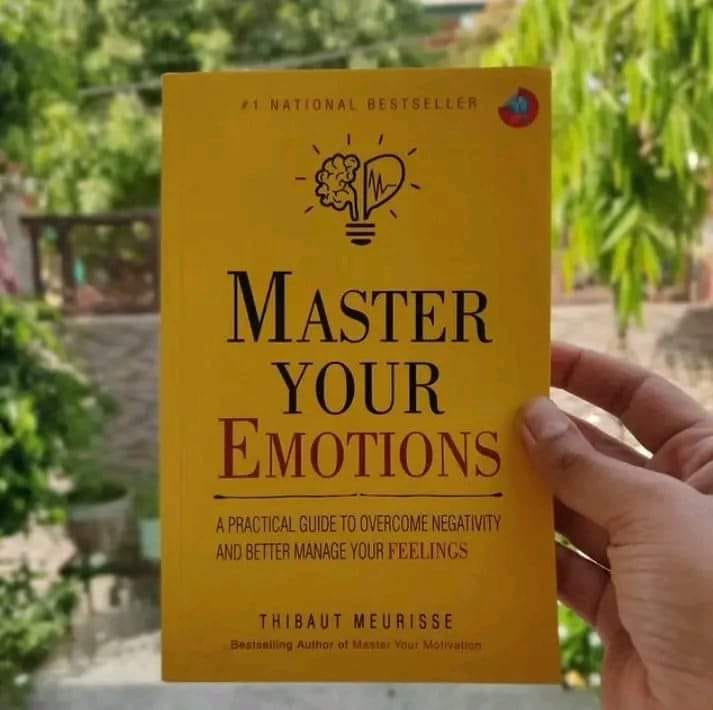
MASTER YOUR EMOTIONS

 7 Lessons from the book "MASTER YOUR EMOTIONS" By Thibaut Meurisse


1. Take responsibility for your emotions: The book emphasizes the importance of taking responsibility for your emotions and not blaming other people or external circumstances for how you feel. By taking ownership of your emotions, you can better control them and make positive changes in your life.

2. Practice self-awareness: The book stresses the importance of being aware of your emotions and the triggers that cause them. By being mindful of your emotional reactions, you can better understand why you feel a certain way and make informed decisions on how to respond.

3. Practice emotional intelligence: Emotional intelligence is the ability to understand and manage your own emotions, as well as the emotions of others. The book teaches strategies for developing emotional intelligence, such as practicing empathy, active listening, and effective communication.

4. Develop emotional resilience: Building emotional resilience is essential for overcoming challenges and setbacks in life. The book provides techniques for building resilience, such as cultivating a growth mindset, practicing gratitude, and staying optimistic in the face of adversity.

5. Cultivate positive emotions: The book emphasizes the importance of cultivating positive emotions, such as joy, gratitude, and love. By focusing on positive emotions, you can improve your overall well-being and create a more fulfilling life.

6. Practice mindfulness: Mindfulness is a key practice for managing emotions and reducing stress. The book teaches the importance of living in the present moment, being aware of your thoughts and feelings, and practicing mindfulness techniques to promote emotional balance.

7. Develop healthy coping strategies: The book explains the importance of developing healthy coping strategies for managing negative emotions, such as stress, anxiety, and anger. Techniques such as deep breathing, meditation, exercise, and journaling are recommended as effective ways to cope with difficult emotions.

"Master Your Emotions" teaches valuable lessons on how to understand and manage your emotions, leading to greater emotional well-being and fulfillment in life.

Thank you for Reading

Thursday, May 9, 2024

12 Rules for Life

 10 Lessons from 12 Rules for Life: An Antidote to Chaos


  1.  Cultivate a sense of ownership for your actions, choices, and well-being. This empowers you to shape your life and navigate challenges with agency.
  2.  Direct your energy towards aspects of life you can influence, rather than dwelling on what you cannot change. This fosters a proactive and solution-oriented approach.
  3.  Establish specific and meaningful goals that align with your values and aspirations. This provides direction, motivation, and a sense of purpose.
  4.  Create structure and organization in various aspects of life, including your environment, personal habits, and time management. This can provide stability and a foundation for growth.
  5.  Seek activities and goals that hold deeper significance and purpose beyond immediate gratification. This fosters intrinsic motivation, a sense of fulfillment, and contributes to a well-lived life.
  6. Practice honesty and integrity in your communication and interactions with others. This builds trust, strengthens relationships, and promotes personal integrity.
  7.  Develop your listening skills and strive to understand the perspectives of others, even if they differ from your own. This fosters open-mindedness, empathy, and deeper connections.
  8. Communicate clearly and concisely, avoiding vagueness and ambiguity. This enhances understanding, prevents misunderstandings, and promotes effective communication.
  9. View difficulties and setbacks as opportunities for growth and learning. Develop resilience and perseverance to overcome obstacles and navigate life's inevitable challenges.
  10. Cultivate self-compassion and treat yourself with kindness and respect, even when faced with shortcomings or failures. This fosters self-acceptance, personal growth, and emotional well-being.

Saturday, May 4, 2024

Master Your Success

 10 Lessons from "Master Your Success: Timeless Principles to Develop Inner Confidence and Create Authentic Success":


1. Redefine Success: Move beyond external validation and societal expectations. Define success on your own terms, focusing on personal growth, inner satisfaction, and meaningful contributions.

2. Cultivate Rock-Solid Confidence: Build genuine self-belief through self-awareness, acknowledging your strengths, celebrating progress, and overcoming limiting beliefs.

3. Take Absolute Responsibility: Own your life and choices. Embrace accountability, learn from mistakes, and actively shape your future instead of blaming external factors.

4. Skyrocket Your Productivity: Master effective time management, prioritize high-impact tasks, eliminate distractions, and develop focused work habits to achieve more with less effort.

5. Unleash Your Inner Power: Discover your unique talents, passions, and strengths. Leverage them to create a fulfilling life and contribute meaningfully to the world around you.

6. Develop a Growth Mindset: Embrace challenges as opportunities to learn and grow. View setbacks as temporary obstacles and persist with unwavering determination.

7. Build Strong Relationships: Invest in authentic connections with supportive individuals who inspire and uplift you. Their presence can provide encouragement, guidance, and a sense of belonging.

8. Practice Gratitude: Foster appreciation for the good things in your life, big and small. Gratitude shifts your focus towards positivity, strengthens resilience, and attracts more abundance.

9. Embrace Continuous Learning: Never stop expanding your knowledge and skills. Seek out new experiences, read widely, and be open to different perspectives to fuel your growth.

10. Live with Intention: Align your actions with your values and long-term goals. Make conscious choices that reflect your priorities and create a life filled with purpose and meaning.

Remember, "Master Your Success" is not a quick fix, but a guide to navigate your personal journey towards fulfillment. Apply these lessons with dedication, self-compassion, and continuous effort. By mastering your inner self and taking ownership of your life, you can unlock your true potential and create a life that authentically resonates with you.

Tuesday, April 23, 2024

Five Doors of Success

 Here are 10 lessons from Five Doors of Success: How to Build a Future Without Luck, Money, or Friends in High Places by Joshua Candamo Ph.D. (Author)


1: Persistence is paramount - This book teaches us that success isn't solely dependent on luck, money, or having influential connections. Instead, it emphasizes the importance of persistence and a strong work ethic. By consistently putting in the effort, we can overcome obstacles and achieve our goals.

2: Define your own success - The book encourages readers to define success on their own terms rather than relying on societal norms or external validation. It teaches us to identify our passions, values, and aspirations, and to pursue them wholeheartedly, regardless of others' opinions.

3: Develop a growth mindset - A growth mindset is essential for personal and professional growth. This lesson highlights the importance of believing in our ability to learn and improve. It encourages us to embrace challenges, seek feedback, and view failures as opportunities for growth.

4: Take calculated risks - Success often involves taking risks, but they need to be calculated and well thought out. This lesson teaches us to assess the potential rewards and consequences before making decisions. By taking calculated risks, we can seize opportunities and push ourselves beyond our comfort zones.

5: Embrace failure as a learning opportunity - Failure is an inevitable part of any journey toward success. This lesson emphasizes the importance of embracing failure as a valuable learning experience. It encourages us to reflect on our mistakes, make necessary adjustments, and persevere in the face of setbacks.

6: Cultivate a strong work ethic - Hard work and dedication are essential for achieving success. This lesson reminds us to develop a strong work ethic, to be disciplined, and to consistently invest time and effort into our goals. It teaches us that success is often the result of consistent, focused work over time.

7: Build a strong support system - While the book emphasizes that success doesn't rely solely on having influential connections, it acknowledges the importance of building a strong support system. This lesson encourages us to surround ourselves with positive, supportive individuals who can offer guidance, encouragement, and constructive feedback.

8: Continuously learn and adapt - Success requires constant learning and adaptation. This lesson encourages us to stay curious, seek new knowledge, and be open to change. By staying agile and adaptable, we can navigate the ever-evolving challenges and opportunities that come our way.

9: Develop effective communication skills - Effective communication is crucial for success in various aspects of life. This lesson highlights the importance of developing strong communication skills, both verbal and written. It teaches us to express ourselves clearly, listen attentively, and build meaningful connections with others.

10: Stay true to your values - Finally, this book reminds us to stay true to our values and integrity. It teaches us that true success is not just about achieving external milestones but also about living in alignment with our core principles. By staying true to ourselves, we can build a future that is fulfilling and meaningful.

Thank you for Reading 

Sunday, April 14, 2024

Master Your Success

 10 Lessons from "Master Your Success: Timeless Principles to Develop Inner Confidence and Create Authentic Success":


1. Redefine Success: Move beyond external validation and societal expectations. Define success on your own terms, focusing on personal growth, inner satisfaction, and meaningful contributions.
 

2. Cultivate Rock-Solid Confidence: Build genuine self-belief through self-awareness, acknowledging your strengths, celebrating progress, and overcoming limiting beliefs.
 

3. Take Absolute Responsibility: Own your life and choices. Embrace accountability, learn from mistakes, and actively shape your future instead of blaming external factors.
 

4. Skyrocket Your Productivity: Master effective time management, prioritize high-impact tasks, eliminate distractions, and develop focused work habits to achieve more with less effort.
 

5. Unleash Your Inner Power: Discover your unique talents, passions, and strengths. Leverage them to create a fulfilling life and contribute meaningfully to the world around you.
 

6. Develop a Growth Mindset: Embrace challenges as opportunities to learn and grow. View setbacks as temporary obstacles and persist with unwavering determination.
 

7. Build Strong Relationships: Invest in authentic connections with supportive individuals who inspire and uplift you. Their presence can provide encouragement, guidance, and a sense of belonging.
 

8. Practice Gratitude: Foster appreciation for the good things in your life, big and small. Gratitude shifts your focus towards positivity, strengthens resilience, and attracts more abundance.
 

9. Embrace Continuous Learning: Never stop expanding your knowledge and skills. Seek out new experiences, read widely, and be open to different perspectives to fuel your growth.
 

10. Live with Intention: Align your actions with your values and long-term goals. Make conscious choices that reflect your priorities and create a life filled with purpose and meaning.
 

Remember, "Master Your Success" is not a quick fix, but a guide to navigate your personal journey towards fulfillment. Apply these lessons with dedication, self-compassion, and continuous effort. By mastering your inner self and taking ownership of your life, you can unlock your true potential and create a life that authentically resonates with you.

Thursday, April 11, 2024

Man's Search for Meaning

 Here are 7 lessons from Man's Search for Meaning by Viktor E. Frankl (Author), William J. Winslade (Afterword), Harold S. Kushner (Foreword).


 1: Find meaning and purpose in life. One of the key lessons from "Man's Search for Meaning" is the importance of finding meaning and purpose in life. Even in the midst of extreme suffering and adversity, Viktor Frankl emphasizes the significance of having a reason to live. By discovering our unique purpose, we can find motivation, resilience, and a sense of fulfillment.
 

 2: Embrace the power of choice. Frankl highlights the power of choice in shaping our attitudes and responses to life's challenges. While we cannot control external circumstances, we have the power to choose our attitude towards them. By exercising this freedom of choice, we can find meaning even in the most difficult situations.
 

 3: Cultivate resilience in the face of adversity. Frankl's experiences in the Nazi concentration camps taught him the importance of resilience. He observed that those who were able to endure and find meaning in their suffering were more likely to survive. Cultivating resilience involves finding inner strength and determination, even when faced with unimaginable hardships.
 

 4: Practice gratitude and appreciation. Despite the dire circumstances he faced, Frankl discovered that finding moments of gratitude and appreciation helped sustain his hope and sense of meaning. By focusing on the small joys and blessings in life, we can cultivate a positive mindset and find solace in even the most challenging times.
 

5: Foster connections and compassion. Frankl emphasizes the significance of human connections and compassion. Building and nurturing relationships with others can provide support, understanding, and a sense of belonging. By showing empathy and kindness towards others, we can create a more compassionate and meaningful world.
 

 6: Accept the inevitability of suffering. Frankl acknowledges that suffering is an inherent part of the human experience. Rather than trying to avoid or escape it, he suggests embracing suffering as an opportunity for growth and self-discovery. By accepting the inevitability of suffering, we can find meaning even in the face of adversity.
 

7: Live in the present moment. Frankl underscores the importance of living in the present moment. Instead of dwelling on the past or worrying about the future, he encourages us to focus on the here and now. By fully engaging in the present, we can make the most of our experiences and find meaning in each moment of our lives.

Monday, March 11, 2024

How to Think Bigger

 10 lessons from "How to Think Bigger: Aim Higher, Get More Motivated, and Accomplish Big Things" by Martin Meadows and John Gagnepain:


    1. Expand Your Vision: Challenge yourself to think beyond your current limitations and expand your vision of what's possible. Cultivate a mindset that embraces big goals and dreams.
 

    2. Set Ambitious Goals: Dare to set ambitious goals that push you outside your comfort zone. Break down big goals into smaller, actionable steps to make them more achievable.
 

    3. Overcome Self-Limiting Beliefs: Identify and overcome self-limiting beliefs that hold you back from thinking and acting bigger. Challenge negative thoughts and replace them with empowering beliefs.
 

    4. Take Bold Action: Don't let fear or doubt paralyze you. Take bold, decisive action toward your goals, even if it means stepping into the unknown or facing temporary setbacks.
 

    5. Embrace Failure as Feedback: View failure as a natural part of the learning process and an opportunity for growth. Learn from your mistakes, adjust your approach, and keep moving forward.
 

    6. Surround Yourself with Visionaries: Surround yourself with people who inspire and challenge you to think bigger. Seek out mentors, role models, and peers who embody the mindset of success.
 

    7. Visualize Success: Use the power of visualization to imagine yourself achieving your biggest goals and dreams. Visualize the process and outcome in vivid detail to reinforce your motivation and commitment.
 

    8. Develop Resilience: Cultivate resilience to overcome obstacles and setbacks on your journey to thinking bigger. Develop coping strategies, bounce back quickly from adversity, and stay focused on your long-term vision.
 

    9. Continuous Learning and Growth: Commit to lifelong learning and personal growth to continuously expand your thinking and capabilities. Invest in your education, seek out new experiences, and embrace challenges as opportunities for development.
 

    10. Take Inspired Action: Align your actions with your big-picture vision and values. Take inspired action that is in alignment with your goals and purpose, and be proactive in pursuing your dreams.
 

These lessons from "How to Think Bigger" emphasize the importance of expanding your mindset, setting ambitious goals, taking bold action, and embracing failure as a stepping stone to success. By adopting a mindset of possibility and aiming higher, you can accomplish big things and create the life you desire.

Thursday, February 29, 2024

Book of Mistakes

 15 lessons from "Book of Mistakes: 9 Secrets to Creating a Successful Future" by Skip Prichard:


    1. Embrace Failure: Understand that failure is an essential part of the journey to success. Learn from your mistakes and use them as stepping stones toward your goals.
 

    2. Take Ownership: Accept responsibility for your actions, decisions, and outcomes. Recognize that you have the power to shape your future through your choices and behaviors.
 

    3. Set Clear Goals: Define clear and specific goals for yourself, both short-term and long-term. Break them down into actionable steps and create a plan to achieve them.
 

    4. Be Persistent: Stay committed to your goals and persevere in the face of challenges and setbacks. Keep pushing forward, even when things get tough.
 

    5. Learn Continuously: Cultivate a mindset of lifelong learning and growth. Seek out new knowledge, skills, and experiences that will help you progress toward your goals.
 

    6. Build Relationships: Invest in building strong relationships with others, both personally and professionally. Collaborate, network, and support one another in your journeys to success.
 

    7. Be Authentic: Stay true to yourself and your values. Authenticity breeds trust, respect, and genuine connections with others.
 

    8. Take Calculated Risks: Be willing to step out of your comfort zone and take calculated risks in pursuit of your goals. Risk-taking is often necessary for growth and innovation.
 

    9. Adapt to Change: Be flexible and adaptable in the face of change. Embrace new opportunities and challenges, and be willing to adjust your plans accordingly.
 

    10. Practice Gratitude: Cultivate a sense of gratitude for the blessings in your life, both big and small. Appreciating what you have can help you stay positive and motivated.
 

    11. Stay Focused: Avoid distractions and stay focused on your priorities. Set boundaries, manage your time effectively, and eliminate anything that pulls you away from your goals.
 

    12. Seek Feedback: Be open to feedback from others and use it as an opportunity for growth and improvement. Actively seek out constructive criticism to help you refine your skills and approaches.
 

    13. Visualize Success: Use visualization techniques to imagine yourself achieving your goals. Visualizing success can help you stay motivated and focused on your objectives.
 

    14. Celebrate Milestones: Celebrate your achievements and milestones along the way. Take time to acknowledge your progress and reward yourself for your hard work and dedication.
 

    15. Pay It Forward: Share your knowledge, experience, and resources with others. Paying it forward not only helps others succeed but also brings fulfillment and meaning to your own journey.
 

These lessons from "Book of Mistakes" offer valuable insights into creating a successful future by embracing failure, taking ownership of your actions, setting clear goals, and building strong relationships. By incorporating these principles into your life, you can overcome obstacles, achieve your goals, and create a meaningful and fulfilling future.

Assets set you free