Search

Showing posts with label leverage. Show all posts

Sunday, December 1, 2024

What I Wish I Knew When I Was 20

 Here are seven key lessons from "What I Wish I Knew When I Was 20: A Crash Course on Making Your Place in the World" by Tina Seelig:


    1. Embrace Uncertainty: Seelig emphasizes that life is full of uncertainties, and it's essential to embrace them rather than fear them. Taking risks and stepping outside your comfort zone can lead to unexpected opportunities and personal growth.

    2. Cultivate a Growth Mindset: The author encourages readers to adopt a growth mindset, viewing challenges as opportunities to learn and improve. This mindset fosters resilience and adaptability, helping you navigate the complexities of life and career.

    3. Leverage Your Network: Seelig highlights the importance of building and nurturing relationships. Networking is not just about professional connections; it's about creating a community of support, collaboration, and shared opportunities that can propel you forward.

    4. Be Open to New Experiences: The book advocates for being open-minded and willing to explore diverse experiences. Trying new things can lead to discoveries about your interests, strengths, and passions, ultimately guiding you toward your true path.

    5. Take Initiative: Seelig encourages readers to be proactive in pursuing their goals. Instead of waiting for opportunities to come to you, take the initiative to create your own path, whether through internships, projects, or entrepreneurial ventures.

    6. Learn from Failure: The author stresses that failure is an inevitable part of life and a valuable teacher. Embracing failure as a learning experience rather than a setback allows you to grow and develop resilience, ultimately leading to future success.

    7. Define Your Own Success: Seelig urges readers to reflect on what success means to them personally, rather than adhering to societal expectations. Defining your own metrics for success can lead to a more fulfilling and authentic life, aligned with your values and aspirations.

More to read:

Sunday, June 9, 2024

The 4-Hour Workweek

 Here are 5 lessons from The 4-Hour Workweek: Escape 9-5, Live Anywhere, and Join the New Rich by Timothy Ferriss (Author) 

Based on the available information, here are five potential lessons 


1. Redefining Work and Lifestyle: The book challenges the traditional concept of work and retirement, encouraging readers to design a lifestyle that prioritizes freedom, flexibility, and personal fulfillment. It offers insights and strategies to escape the 9-5 grind and create a life of their choosing.

2. Leveraging Time and Outsourcing: The author explores the concept of outsourcing and delegating tasks to free up time and focus on high-value activities. It provides practical tips on how to leverage technology and virtual assistants to streamline work processes and achieve greater efficiency.

3. Embracing Lifestyle Design: The book emphasizes the importance of designing a lifestyle that aligns with personal goals and values. It encourages readers to identify their priorities, set clear objectives, and take intentional steps to create a life that brings fulfillment and happiness.

4. Maximizing Productivity and Efficiency: The author shares strategies for increasing productivity and achieving more in less time. It covers topics such as time management, prioritization, and eliminating unnecessary tasks to optimize workflow and achieve desired outcomes.

5. Creating Passive Income Streams: The book explores the concept of generating passive income and building alternative sources of revenue. It provides insights into different business models, investment strategies, and online entrepreneurship, aiming to help readers achieve financial independence and create more freedom in their lives.

These potential lessons from "The 4-Hour Workweek" highlight the importance of redefining work and lifestyle, leveraging time and outsourcing, embracing lifestyle design, maximizing productivity and efficiency, and creating passive income streams.

Wednesday, May 8, 2024

TINY HABITS

 BOOK REVIEW

BOOK TITLE : TINY HABITS 

AUTHOR : BJ FOGG

Here are 10 key lessons from "Tiny Habits: The Small Changes That Change Everything" 


1. Focus on Behavior, Not Outcomes: The book emphasizes changing behavior rather than focusing solely on achieving specific outcomes. By establishing tiny habits, you build sustainable routines that lead to long-term change.

2. Make it Tiny: Start with incredibly small, achievable actions. These "tiny habits" are easier to integrate into your routine and build confidence in your ability to make changes.

3. Leverage the Power of Feeling: Connect your tiny habits with positive emotions to increase motivation and make them more likely to stick. Celebrate even small successes and focus on the good feelings associated with completing the habit.

4. Anchor to Existing Routines: Associate your tiny habits with existing routines you already perform regularly. This "habit stacking" makes it easier to remember and integrate new behaviors into your daily life.

5. Make it Easy: Design your tiny habits to be effortless and require minimal willpower. Reduce any potential barriers that might hinder your ability to complete the action.

6. Celebrate Every Win: Acknowledge and celebrate every time you complete your tiny habit, no matter how small. This positive reinforcement strengthens the behavior and increases the likelihood of repetition.

7. Don't Be Afraid to Experiment: Find what works best for you! Experiment with different tiny habits, routines, and anchors to discover what motivates you and makes the behavior sustainable.

8. Focus on Progress, Not Perfection: Remember, change takes time and effort. Celebrate your progress, even if it's slow, and avoid getting discouraged by setbacks.

9. Build Momentum: As you successfully complete your tiny habits, you'll build momentum and confidence, making it easier to add new habits and continue making positive changes.

10. Tiny Habits Can Lead to Big Change: While seemingly insignificant individually, tiny habits, when practiced consistently over time, can lead to significant and lasting changes in your life.

Wednesday, March 20, 2024

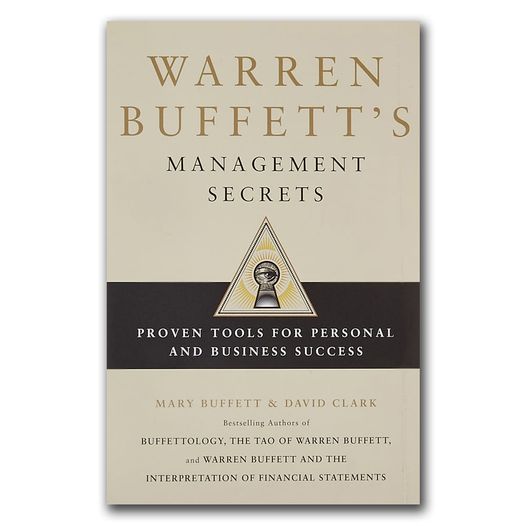
Warren Buffett's Management Secrets

 7 Lessons from Warren Buffett's Management Secrets 


1. Hire the Right People and Trust Them:
Buffett emphasizes the importance of surrounding yourself with talented individuals who share your values and ethics. Delegate authority and empower your team to make decisions, fostering ownership and accountability.


2. Focus on Long-Term Value, Not Short-Term Gains: Avoid chasing quick profits and prioritize building sustainable businesses with strong fundamentals. Invest in your people, processes, and products for long-term success.
 

3. Embrace Simplicity and Transparency: Keep things clear and concise. Communicate openly and honestly with your team and stakeholders, fostering trust and understanding. Avoid unnecessary complexity and bureaucracy.
 

4. Create a Culture of Ownership and Responsibility: Encourage a sense of ownership among your team members. Make them feel invested in the success of the company and hold them accountable for their actions.
 

5. Lead by Example and Practice Integrity: Be a role model for your team. Demonstrate ethical behavior, humility, and a commitment to doing the right thing, even when it's difficult.
 

6. Think Like an Owner, Not Just a Manager: See the bigger picture and make decisions that align with the long-term goals of the company. Avoid short-term fixes and prioritize building a strong foundation for the future.
 

7. Learn Continuously and Adapt to Change: Never stop learning and evolving. Stay informed about industry trends, embrace new technologies, and be willing to adapt your strategies as needed to stay ahead of the curve.

Thursday, March 14, 2024

THE AUTOMATIC MILLIONAIRE

 BOOK REVIEW
BOOK TITLE : THE AUTOMATIC MILLIONAIRE
AUTHOR : DAVID BACH 


 7 Lessons from "The Automatic Millionaire, Expanded and Updated" :


1. Pay Yourself First: This core principle emphasizes prioritizing your savings and investments before paying bills or indulging in wants. Bach advocates for setting up automatic transfers to savings and investment accounts, ensuring you consistently build wealth without relying on willpower.
 

2. Live Below Your Means: The book emphasizes the importance of living within your income and avoiding lifestyle inflation. Track your spending, identify unnecessary expenses, and prioritize needs over wants to free up money for savings and investments.
 

3. Make Your Money Work for You: Bach encourages readers to invest their money passively, allowing it to grow over time through compound interest. He recommends low-cost index funds and automated investment platforms for ease and long-term growth.
 

4. Automate Your Finances: Setting up automatic transfers for savings, investments, and bill payments simplifies your financial management and eliminates the need for constant decision-making. This ensures you stay on track with your goals without relying on willpower or memory.
 

5. Debt is the Enemy: Bach emphasizes the importance of eliminating debt as a major obstacle to financial freedom. He provides strategies for paying off debt quickly and efficiently, such as the snowball or avalanche methods.
 

6. Invest for the Long Term: The book encourages readers to focus on long-term investing rather than chasing quick gains. Avoid market fluctuations and emotional decisions, and stick to your investment plan through market ups and downs.
 

7. Financial Freedom is a Mindset: Bach argues that achieving financial freedom is not just about having a certain amount of money, but also about having the mindset and habits to manage your finances effectively and live a fulfilling life.

Wednesday, February 14, 2024

80/20 Sales and Marketing

 10 Lessons from 80/20 Sales and Marketing: The Definitive Guide to Working Less and Making More by Perry Marshall and Ron Allan:


1. Embrace the 80/20 Principle: 80% of your results come from 20% of your efforts. Identify and focus on your high-impact activities in sales and marketing.

 2. Know Your Marketing DNA: Discover your unique strengths and weaknesses in key marketing areas like market research, lead generation, and publicity to optimize your approach.
 

3. Target the Right 20%: Identify your ideal customer profile and laser-focus your marketing efforts on attracting and converting them.
 

4. Slash Time-Wasters: Eliminate activities with low return on investment, freeing up time and resources for more impactful efforts.
 

5. Leverage the Power of Controversy: Use strategic controversy to attract attention, spark conversations, and differentiate yourself from competitors.
 

6. Master Online Advertising: Hone your skills in pay-per-click advertising, search engine optimization, and social media marketing to reach your target audience efficiently.
 

7. Become a Persuasion Expert: Learn the psychology of influence and communication to convert leads into paying customers.
 

8. Harness the Power of Outsourcing: Delegate tasks that don't require your unique expertise to free up your time and focus on your core strengths.
 

9. Build Effective Sales Funnels: Design a well-defined process to nurture leads and guide them towards a purchase decision.
 

10. Measure and Track Everything: Analyze data to identify what's working and what's not, continuously improving your sales and marketing efforts.


Bonus Lesson: Don't just work hard, work SMART. By applying the 80/20 principle and focusing on the most impactful activities, you can achieve greater success with less effort.

Saturday, February 10, 2024

Resilience

 8 lessons from the book "Resilience" by Andrew Zolli


"Resilience" by Andrew Zolli is a book that explores the concept of resilience and how individuals, communities, and organizations can develop the ability to adapt and thrive in the face of challenges and disruptions.


1. Resilience is a mindset:
Resilience is not just about bouncing back from adversity; it is a mindset that enables individuals and communities to anticipate, prepare for, and adapt to change.
It involves embracing uncertainty and being open to learning and growth.


2. Diversity and redundancy are crucial:
Building resilience requires diversity and redundancy in systems and networks.
By having multiple options and backups, we can better withstand shocks and disruptions. This applies to both natural systems and human organizations.


3. Foster adaptive capacity:
Developing adaptive capacity is essential for resilience. This involves cultivating the ability to learn, innovate, and respond effectively to changing circumstances.
It requires a culture of experimentation, collaboration, and continuous improvement.


4. Embrace complexity:
Resilience thinking acknowledges the interconnectedness and complexity of our world. It encourages us to consider the broader systems and networks in which we operate and to understand the potential ripple effects of our actions.
By embracing complexity, we can make more informed decisions and avoid unintended consequences.


5. Invest in social capital:

Strong social connections and networks are critical for resilience.
Building trust, fostering collaboration, and investing in social capital can help communities and organizations come together during times of crisis and support each other in recovery and rebuilding.


6. Learn from nature:
Nature has evolved over billions of years to be resilient. By studying natural systems and their ability to adapt and recover, we can gain valuable insights and apply those principles to our own lives and organizations.


7. Plan for the long term:
Resilience requires long-term thinking and planning. It involves considering the potential future challenges and disruptions and taking proactive steps to mitigate risks and build adaptive capacity.


8. Cultivate personal resilience:
Building personal resilience is essential for navigating lifes challenges. This involves developing self-awareness, emotional intelligence, and the ability to bounce back from setbacks. 


It also includes practicing self-care, maintaining a positive mindset, and seeking support when needed.
"Resilience" highlights the importance of embracing change, building adaptive capacity, and fostering connections to thrive in an increasingly complex and uncertain world.

Thursday, February 8, 2024

Young Wealthy and Wise

 7 Powerful lessons from Young Wealthy and Wise: A Blueprint for success in your 20s" by Charles Ward
 

1. Financial Literacy: Invest time in mastering financial literacy; understanding budgeting, saving, and investing lays the groundwork for long-term wealth accumulation and financial security, setting a solid foundation for your future.


2. Strategic Networking:
This book teaches us to cultivate meaningful connections; networking opens doors to opportunities, mentorship, and collaborations, accelerating personal and professional growth while fostering a supportive community.


3. Continuous Learning: Embrace a growth mindset; prioritize continuous learning and skill development, whether through formal education, online courses, or self-directed study, ensuring relevance and adaptability in a rapidly evolving world.


4. Risk-Taking:
Embrace calculated risks; entrepreneurship, investing, and career advancement often require stepping outside comfort zones, but calculated risks yield invaluable experiences, lessons, and potential rewards.


5. Time Management: Master time management; efficient allocation of time maximizes productivity and effectiveness, allowing pursuit of multiple interests and goals without sacrificing quality or balance in personal and professional life.


6. Resilience and Adaptability:
Cultivate resilience and adaptability; setbacks and challenges are inevitable, but resilience enables bouncing back stronger, while adaptability fosters agility and innovation in navigating dynamic environments and seizing opportunities.


7. Balance and Well-being: Prioritize holistic well-being; balance physical health, mental wellness, and emotional fulfillment amidst the pursuit of success, ensuring sustainable happiness and fulfillment throughout your journey in your 20s and beyond.


"Young Wealthy and Wise" offers a strategic roadmap for navigating one's twenties, combining financial acumen, wisdom, and ambition. From financial literacy to personal development, it guides readers towards early success. With insights on investments, career strategies, and life skills, it empowers young adults to thrive in both personal and professional domains.

Wednesday, January 31, 2024

The Diary of a CEO

 10 Practical Lessons from Steven Bartlett's "The Diary of a CEO":

1. Prioritize your five buckets: Bartlett recommends filling five "buckets" (health, wealth, relationships, knowledge, experience) in the right order. Focus on health first, then build your knowledge and skills before chasing wealth. Strong relationships and life experiences will follow organically.

2. Ask binary questions, not factual ones: When seeking advice, ask questions that elicit actionable insights, not just information. "What should I do?" is more valuable than "What happened?"

3. Leverage the Goldilocks effect: Find your "just right" zone in any venture. Avoid being under- or over-ambitious, and focus on the sweet spot where challenge meets achievable potential.

4. Focus on the first five seconds: Make a strong first impression in any interaction. Your initial engagement sets the tone for the entire relationship.

5. Avoid the ostrich effect: Don't ignore problems hoping they'll disappear. Face challenges head-on and address them proactively.

6. Master the discipline equation: Success equals desire multiplied by value divided by the cost. Find activities with high desire and value, minimizing the perceived cost for maximum motivation.

7. Build a winning team with the three bars framework: Look for teammates with high character, competence, and chemistry. They should be ethical, skilled, and compatible with your work style and culture.

8. Embrace discomfort: Growth often happens outside your comfort zone. Push yourself to try new things, take calculated risks, and learn from challenges.

9. Don't let your past define you: Your past experiences can inform your present,
but they shouldn't dictate your future. Focus on continuous learning and growth, leaving behind limiting beliefs and narratives.

10. Give back and help others:
True success extends beyond personal achievement. Mentor others, offer guidance, and use your resources to make a positive impact on the world around you.


Remember, these are just highlights. Each lesson in "The Diary of a CEO" is packed with actionable insights and personal anecdotes from Bartlett's journey as an entrepreneur. Diving deeper into the book will offer valuable inspiration and practical strategies for you to define your own path to success.

Assets set you free