Search

Showing posts with label success. Show all posts

Saturday, December 20, 2025

Success is a choice

Some books arrive quietly, not with noise or hype, but with a steady nudge that keeps returning to your thoughts long after you have pressed play.


That was my experience with Success Is a Choice: Make the Choices That Make You Successful, listened to as an audiobook, where the calm, deliberate voice of Henry O. Arnold gave John Maxwell’s ideas a warmth that felt personal, almost like a mentor speaking across a table. As the chapters unfolded, it became clear that success was not being presented as luck, talent, or privilege, but as a daily decision anyone willing to be intentional could make.

1. Success begins with responsibility: One truth that kept echoing through the book is that success starts the moment I stop blaming circumstances and start owning my choices. John Maxwell makes it clear that while we cannot control everything that happens to us, we are always responsible for how we respond. Listening to this part, the narration slowed just enough to let the message sink in, success shifts when I stop asking who is at fault and start asking what is my next right move. This lesson challenged me to look inward, because progress only begins when responsibility is accepted without excuses.

2. Small choices shape big outcomes: The author consistently reminds the listener that life is not shaped by one dramatic decision but by many small ones made daily. As I listened, it became obvious that habits, attitudes, and reactions quietly compound over time. Maxwell explains that people often overestimate what they can do in one moment and underestimate what consistent right choices can achieve over years. The narration made this feel gentle rather than heavy, helping me see that success is built patiently, choice by choice.

3. Character always comes before results: Another strong lesson is that lasting success cannot outgrow character. John Maxwell emphasizes that integrity, discipline, and honesty are not optional add ons but foundations. Listening to this part felt like a personal mirror, because it raised questions about who I am becoming, not just what I am achieving. The book makes it clear that results without character eventually collapse, but character continues to pay dividends even when results are delayed.

4. Growth is a choice not an accident: Maxwell makes a powerful case that personal growth does not happen automatically with age or experience. It happens when learning is intentional. The audiobook format made this lesson especially impactful, because the steady tone of the narration reinforced the idea that growth is daily, deliberate, and sometimes uncomfortable. I was reminded that successful people do not wait to feel motivated, they choose to grow even when it feels inconvenient.

5. Attitude determines altitude: One of the most practical lessons in the book is the emphasis on attitude. John Maxwell explains that talent may open doors, but attitude determines how far one goes. As I listened, it became clear that attitude is not about pretending everything is fine, but choosing a mindset that looks for solutions instead of excuses. The narration carried this message with clarity, helping me realize that my attitude is a choice I make every single day, regardless of circumstances.

6. Consistency turns intention into impact: The final lesson that stayed with me is the power of consistency. The book stresses that good intentions mean little without consistent action. Maxwell shows that successful people are not perfect, but they are persistent. Hearing this through the audiobook made it feel realistic rather than idealistic, success is not about never failing, but about choosing again and again to stay aligned with the right principles.

More to read:

Sunday, November 10, 2024

Emotional Intelligence 2.0

 "Emotional Intelligence 2.0" by Travis Bradberry and Jean Greaves is a practical guide that expands on the concept of emotional intelligence (EQ) and its critical role in personal and professional success. The authors provide insights into understanding and improving emotional intelligence through self-awareness and actionable strategies. 


Here are lessons from the book:

1. Understanding Emotional Intelligence: The book begins by defining emotional intelligence as the ability to recognize, understand, and manage our own emotions and the emotions of others. Bradberry and Greaves break EQ into four core skills: self-awareness, self-management, social awareness, and relationship management. Understanding these components is essential for developing emotional intelligence.

2. The Importance of Self-Awareness: Self-awareness is the foundation of emotional intelligence. The authors emphasize the need to recognize one’s emotions, strengths, weaknesses, and triggers. By being aware of how emotions influence thoughts and behaviors, individuals can make more informed decisions and improve their interactions with others.

3. Self-Management Techniques: The book outlines strategies for self-management, which involves controlling one’s emotions and adapting to changing circumstances. Techniques such as mindfulness, positive self-talk, and stress management are recommended to help individuals regulate their emotions and maintain composure in challenging situations.

4. Social Awareness: Bradberry and Greaves highlight the importance of social awareness, which involves understanding the emotions and needs of others. Developing empathy and active listening skills allows individuals to connect with others on a deeper level, fostering stronger relationships and effective communication.

5. Relationship Management: The authors stress that relationship management is a crucial aspect of emotional intelligence. This skill involves using emotional awareness to navigate conflicts, inspire and influence others, and build strong interpersonal connections. Effective relationship management leads to improved collaboration and teamwork.

6. The Role of Emotional Intelligence in Success: The book presents research demonstrating that EQ is a stronger predictor of success than IQ. Individuals with high emotional intelligence tend to perform better in their careers, exhibit better leadership skills, and maintain healthier relationships. This insight underscores the value of developing emotional intelligence for personal and professional growth.

7. Assessing Your Emotional Intelligence: Bradberry and Greaves provide readers with tools to assess their emotional intelligence. They encourage taking the online EQ assessment to gain insights into one’s emotional strengths and areas for improvement. This self-assessment serves as a starting point for personal development.

8. Actionable Strategies for Improvement: The authors offer practical strategies for enhancing emotional intelligence. These include setting specific goals for emotional growth, seeking feedback from others, engaging in reflective practices, and practicing empathy in daily interactions. These actionable steps help individuals develop their EQ over time.

9. The Impact of Emotional Intelligence on Leadership: The book emphasizes that emotional intelligence is critical for effective leadership. Leaders with high EQ can inspire and motivate their teams, navigate conflicts, and create a positive work environment. Developing emotional intelligence is essential for anyone in a leadership role or aspiring to become a leader.

10. Emotional Intelligence as a Lifelong Journey: Finally, Bradberry and Greaves emphasize that developing emotional intelligence is an ongoing process. It requires continuous self-reflection, practice, and a commitment to personal growth. By viewing emotional intelligence as a lifelong journey, individuals can remain adaptable and resilient in the face of challenges.

In "Emotional Intelligence 2.0," Travis Bradberry and Jean Greaves provide a comprehensive guide to understanding and improving emotional intelligence. By offering practical insights and strategies, the book empowers readers to develop their EQ, leading to greater success in both personal and professional domains. The emphasis on actionable steps makes it a valuable resource for anyone seeking to enhance their emotional intelligence and overall well-being.

More to read:

Monday, September 30, 2024

The Art of Laziness

 Here are 7 lessons from The Art of Laziness: Overcome Procrastination & Improve Your Productivity by Library Mindset (Author)


1. The Power of Action: The book likely emphasizes the importance of taking action to achieve goals, highlighting that waiting for the "perfect moment" is not productive and that the best time to act is now.

2. Overcoming Laziness and Procrastination: It may provide practical techniques and insights for overcoming laziness and procrastination, offering a roadmap for individuals to increase productivity and achieve success.

3. Enjoying the Present: The book might encourage readers to avoid letting laziness prevent them from enjoying the present moment and making the most of their time.

4. Self-Improvement and Productivity: It could offer practical tips and tricks to overcome laziness, conquer procrastination, elevate beyond mediocrity, and enhance productivity to reach one's full potential.

5. Shifting Mindset for Success: The book may confront common misconceptions about productivity and challenge prevailing mindsets surrounding success, encouraging a shift in perspective to pave the way for increased productivity and achievement.

6. Avoiding Regrets: It might discuss the importance of learning from the past and avoiding regrets, emphasizing the value of taking action to achieve goals and prevent future regrets.

7. Motivation and Goal Achievement: The book could provide insights into how to stay motivated to work on one's dreams, offering guidance on how to stop procrastination and improve productivity.

Read more posts here:

Tuesday, September 10, 2024

Who Moved My Cheese?

 "Who Moved My Cheese?" by Spencer Johnson is a motivational parable that explores the concept of change and adaptation in both personal and professional life. Through a simple allegory involving mice and "little people" (representing humans), the book imparts valuable lessons about dealing with change, embracing uncertainty, and navigating transitions effectively. 


Here are some key lessons from the book


1. Change is Inevitable: The book emphasizes that change is a natural and inevitable part of life. Whether in the workplace, relationships, or other areas, change is constant, and resisting it only leads to frustration and stagnation.
 

2. Anticipate Change: Instead of waiting for change to happen, the book encourages proactive anticipation of change. By staying alert to shifts in the environment and being open to new possibilities, individuals can adapt more quickly and effectively when change occurs.
 

3. Monitor Your "Cheese": The term "cheese" in the book represents what individuals want in life, whether it's a job, relationship, or any other source of fulfillment. Regularly monitoring your "cheese" allows you to recognize when it's diminishing or changing and take appropriate action.
 

4. Adapt to Change: The book highlights the importance of adapting to change rather than clinging to the past. It encourages flexibility, creativity, and a willingness to try new approaches in response to changing circumstances.
 

5. Let Go of Fear: Fear of the unknown is a common barrier to embracing change. "Who Moved My Cheese?" encourages readers to confront their fears and view change as an opportunity for growth and learning rather than a threat.
 

6. Embrace Uncertainty: Uncertainty is an inherent part of change, but it can also be a source of excitement and possibility. The book suggests embracing uncertainty with a sense of curiosity and adventure, rather than viewing it as something to be feared.
 

7. Take Action: Instead of passively waiting for things to change, the book advocates taking proactive steps to adapt and thrive in changing environments. This may involve learning new skills, seeking out new opportunities, or making bold decisions.
 

8. Maintain a Positive Attitude: A positive attitude is essential for navigating change effectively. The book encourages optimism, resilience, and a belief in one's ability to overcome obstacles and succeed in the face of change.
 

9. Learn from Experience: The characters in the book learn valuable lessons from their experiences with change, both successful and unsuccessful. Learning from past experiences helps individuals develop resilience, adaptability, and confidence in their ability to handle future challenges.
 

10. Share Your Knowledge: Finally, the book underscores the importance of sharing knowledge and insights with others. By collaborating, supporting each other, and sharing strategies for coping with change, individuals can navigate transitions more successfully as a team.
 

"Who Moved My Cheese?" offers timeless wisdom in a simple and accessible format. Its lessons about change, adaptation, and resilience resonate across various aspects of life, making it a valuable resource for individuals seeking to thrive in an ever-changing world.

More to read:

Monday, August 26, 2024

No One Succeeds Alone

 Top 8 lessons from the book "No One Succeeds Alone" by Robert Reffkin. This offer insights and lessons from the author's personal journey and experiences as the founder and CEO of a successful real estate company. 


1. The Power of Relationships: Reffkin emphasizes the importance of building and nurturing relationships in both personal and professional life. He highlights how meaningful connections with mentors, peers, colleagues, and supporters have played a pivotal role in his own success and growth.

2. Seeking Mentorship: Mentorship is a valuable resource for personal and professional development. Reffkin encourages readers to seek out mentors who can offer guidance, support, and wisdom based on their own experiences and expertise. He shares how mentors have helped him navigate challenges, make informed decisions, and unlock new opportunities.

3. Embracing Diversity and Inclusion: Reffkin champions diversity and inclusion as fundamental values that drive innovation, creativity, and success. He shares his own experiences as a person of color in the business world and emphasizes the importance of creating inclusive environments where everyone feels valued, respected, and empowered to succeed.

4. Resilience and Perseverance: Success is often accompanied by setbacks, challenges, and failures. Reffkin shares personal anecdotes of facing adversity and demonstrates the importance of resilience and perseverance in overcoming obstacles and achieving goals. He encourages readers to embrace failure as a learning opportunity and to never give up on their dreams.

5. Giving Back and Paying It Forward: Reffkin believes in the power of giving back and making a positive impact on others. He shares how acts of kindness, generosity, and service can create ripple effects that benefit individuals, communities, and society as a whole. He encourages readers to find ways to give back and pay it forward, whether through volunteerism, philanthropy, or mentorship.

6. The Value of Education: Education is a powerful tool for personal and professional growth. Reffkin emphasizes the importance of lifelong learning and continuous self-improvement. He shares how his own educational experiences have shaped his perspective, expanded his horizons, and equipped him with the knowledge and skills needed to succeed in the business world.

7. Building a Supportive Network: Surrounding yourself with a supportive network of friends, family, colleagues, and mentors is essential for success. Reffkin encourages readers to cultivate meaningful relationships with people who share their values, aspirations, and ambitions. He emphasizes the importance of collaboration, teamwork, and collective effort in achieving shared goals.

8. Authenticity and Integrity: Reffkin underscores the importance of authenticity and integrity in all aspects of life. He encourages readers to stay true to themselves, uphold their values, and act with honesty, transparency, and integrity. He believes that authenticity and integrity are key to building trust, credibility, and lasting relationships.

"No One Succeeds Alone" serves as a reminder of the power of relationships, resilience, and integrity in achieving success and making a positive impact on others. By embracing mentorship, diversity, inclusion, and lifelong learning, individuals can unlock their full potential and create a more fulfilling and meaningful life for themselves and those around them.

Friday, August 9, 2024

The Gift of Failure

 10 Practical Lessons from "The Gift of Failure"by Jessica Lahey:


    1. Embrace Setbacks and Success: The book sets forth a plan to help parents learn to step back and embrace their children's setbacks along with their success 

    2. Avoid Overprotectiveness: Modern parenting is often characterized by overprotectiveness, which can hinder children from experiencing failure and learning to solve their own problems.

    3. Resilience Building: The book provides targeted advice for handling homework, report cards, social dynamics, and sports, with a focus on helping children become resilient 

    4. Allow Children to Learn from Mistakes: The book emphasizes the importance of allowing children to learn through their mistakes, as setbacks and failures teach them resourcefulness, persistence, innovation, and resilience 

    5. Independence and Creativity: "The Gift of Failure" is essential reading for parents, educators, and psychologists who want to guide children towards lives of independence, creativity, and courage 

    6. Parental Role in Failure: The book discusses the critical role of parents in giving children the necessary space to fail and the importance of allowing children to experience failure 

    7. Redefining Success: The book challenges the traditional notion of success and highlights the necessity of allowing children to fail in order to succeed.

  8. Teaching Children to Take on Challenges: The author emphasizes that unless children are allowed to learn how to take on challenges, they won't thrive in school and in life 

    9. Balancing Rigor and Support: The book addresses the delicate balance between providing rigorous lessons and supporting children through their challenges, highlighting the need for both 

    10. Navigating Middle School Years: The book includes an entire chapter on navigating the hormone-drenched middle school years, offering practical advice for parents in this stage of their children's development.

Wednesday, August 7, 2024

Think and grow Rich

10 Lessons from the Book "Think and grow Rich" by Napoleon Hill.


1. Desire: Having a burning desire for what you want is essential for success. It fuels your persistence and commitment.

2. Faith: Believe in yourself and your ability to achieve your goals, even when faced with setbacks or challenges.

3. Auto-suggestion: Continuously feed your mind with positive affirmations and visualizations to reprogram your subconscious for success.

4. Specialized Knowledge: Acquire specialized knowledge in your field to gain a competitive edge and increase your value.

5. Imagination: Use your imagination to create innovative ideas and solutions that can lead to wealth and success.

6. Organized Planning: Develop a clear, actionable plan to achieve your goals and consistently work towards them.

7. Decision: Make prompt and firm decisions and stick to them. Indecision leads to procrastination and missed opportunities.

8. Persistence: Persevere in the face of failure and adversity. Success often comes right after the point where most people give up.

9. The Mastermind: Surround yourself with like-minded individuals who can support, encourage, and collaborate with you to achieve success.

10. The Subconscious Mind: Understand the power of your subconscious mind and learn how to harness it to attract wealth and success into your life.


More to read here:

Tuesday, July 16, 2024

Master Your Success

 Here are 7 lessons from Master Your Success: Timeless Principles to Develop Inner Confidence and Create Authentic Success by Thibaut Meurisse (Author)


1. Cultivate Self-Confidence: Thibaut Meurisse likely emphasizes the importance of cultivating inner confidence as a foundation for success. The book may provide strategies for building self-esteem, overcoming self-doubt, and believing in one's abilities.

2. Set Clear Goals: Master Your Success probably advocates for setting clear, specific goals to guide actions and measure progress. Meurisse may offer techniques for setting goals that are aligned with one's values and priorities and creating actionable plans to achieve them.

3. Take Consistent Action: The book likely stresses the importance of taking consistent, focused action towards goals. Meurisse may discuss the power of daily habits, routines, and rituals in creating momentum and achieving success over time.

4. Embrace Failure as Feedback: Master Your Success probably encourages readers to embrace failure as an opportunity for growth and learning. Meurisse may discuss the importance of resilience, perseverance, and learning from setbacks in the pursuit of success.

5. Develop Emotional Intelligence: The book likely discusses the importance of emotional intelligence in navigating challenges and relationships. Meurisse may offer strategies for managing emotions, building empathy, and communicating effectively with others.

6. Practice Self-Reflection: Master Your Success probably advocates for regular self-reflection as a means of gaining clarity, insight, and self-awareness. Meurisse may provide exercises and prompts for introspection, journaling, and evaluating progress towards goals.

7. Live with Purpose: Lastly, the book may emphasize the importance of living with purpose and aligning actions with one's values and passions. Meurisse may encourage readers to identify their unique strengths and talents, and to pursue goals that bring fulfillment and meaning to their lives.

Wednesday, July 10, 2024

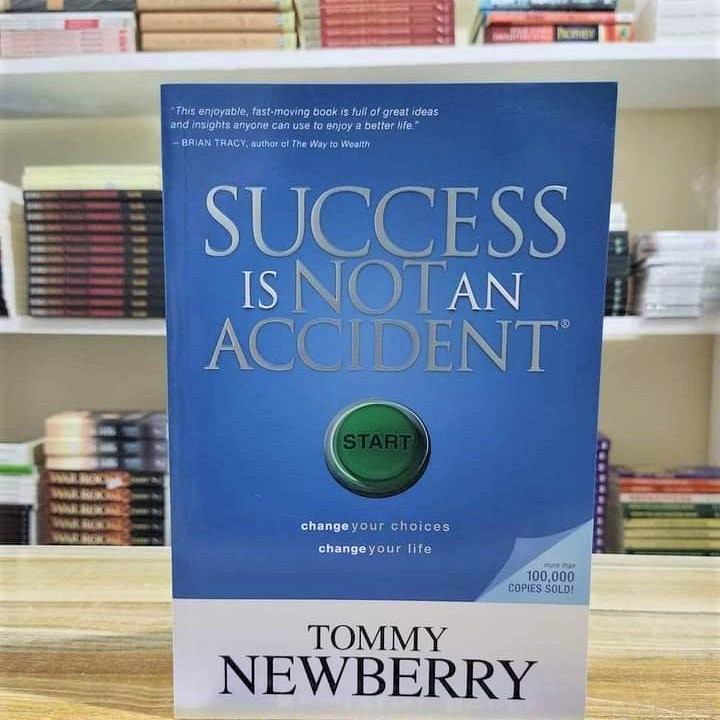
Success Is Not an Accident

 7 powerful lessons from the book Success Is Not an Accident: Change Your Choices; Change Your Life by Tommy Newberry


1. Success is not random. It is the result of intentional choices. We all have the power to choose our own path in life. If we want to be successful, we need to make choices that are aligned with our goals.

2. Our thoughts and beliefs create our reality. What we think about ourselves and about the world around us has a big impact on our success. If we have negative thoughts and beliefs, they will hold us back from achieving our goals. But if we have positive thoughts and beliefs, they will help us to achieve our full potential.

3. We need to have a clear vision for our lives. What do we want to achieve? What kind of life do we want to live? Once we have a clear vision, we can start to make choices that will help us to achieve it.

4. We need to take action. We can't just sit around and wait for success to happen to us. We need to take action towards our goals every day. Even small steps can add up over time and lead to big results.

5. We need to be persistent. Success doesn't happen overnight. It takes time, effort, and perseverance. There will be setbacks along the way, but we need to keep moving forward.

6. We need to surround ourselves with positive people. The people we spend time with have a big impact on our success. We need to surround ourselves with people who support our goals, believe in us, and make us feel good about ourselves.

7. We need to be grateful for what we have. Gratitude is essential for a happy and fulfilling life. When we are grateful for what we have, we are more likely to achieve our goals and experience true success.

Friday, July 5, 2024

Five Doors of Success

 "Five Doors of Success" by Joshua Candamo offers insights into achieving success through five key principles. 


1. Clarity of Vision: Clearly define your goals and aspirations to create a roadmap for success. Having a clear vision provides direction and motivation to pursue your dreams with purpose and determination.

2. Effective Goal Setting: Set SMART (Specific, Measurable, Achievable, Relevant, Time-bound) goals to outline clear objectives and milestones. Breaking down larger goals into smaller, actionable steps helps track progress and maintain focus.

3. Continuous Learning and Growth: Commit to lifelong learning and personal development to expand your knowledge, skills, and capabilities. Embrace challenges as opportunities for growth and remain adaptable to change.

4. Resilience and Perseverance: Develop resilience and perseverance to overcome setbacks and obstacles on the path to success. Cultivate a positive mindset, bounce back from failures, and keep moving forward despite adversity.

5. Effective Communication and Relationship Building: Build strong relationships and effective communication skills to collaborate with others and achieve common goals. Cultivate empathy, active listening, and conflict resolution skills to foster positive connections.

6. Resourcefulness and Creativity: Embrace resourcefulness and creativity to find innovative solutions to problems and challenges. Think outside the box, experiment with new ideas, and adapt to changing circumstances.

7. Time Management and Prioritization: Manage your time effectively and prioritize tasks based on importance and urgency. Focus on high-impact activities that align with your goals and delegate or eliminate non-essential tasks.

8. Adaptability and Flexibility: Stay adaptable and flexible in the face of uncertainty and change. Embrace new opportunities, pivot when necessary, and adjust your approach to navigate shifting circumstances.

9. Self-Discipline and Consistency: Cultivate self-discipline and consistency to maintain momentum and achieve long-term success. Establish habits and routines that support your goals and stay committed to taking action daily.

10. Gratitude and Mindfulness: Practice gratitude and mindfulness to foster a positive mindset and appreciation for life's blessings. Stay present in the moment, celebrate achievements, and cultivate a sense of fulfillment and well-being.

Tuesday, June 4, 2024

The 10 Pillars of Wealth

 10 practical lessons you can learn from "The 10 Pillars of Wealth: Mind-Sets of the World's Richest People" by Alex Becker:


1. Embrace Speed over Slow Accumulation: Move beyond the traditional slow-and-steady approach. Explore ways to accelerate wealth creation through calculated risks, strategic investments, or building income-generating assets.

2. Design Systems that Work for You: Don't just trade time for money. Focus on building systems (like online businesses or rental properties) that generate income even while you sleep. This allows you to scale your earning potential.

3. Develop a Competitive Mindset: While collaboration is valuable, recognize that success often requires going above and beyond. Be willing to learn new skills, adapt quickly, and constantly improve to stand out from the crowd.

4. Take Ownership of Your Results: Stop blaming external factors for setbacks. Instead, cultivate a sense of personal responsibility. Analyze your actions, identify areas for improvement, and take ownership of your financial journey.

5. Cultivate an Abundance Mentality: Shift from a scarcity mindset (fearing lack) to an abundance mindset (believing in plentiful opportunities). This fosters a willingness to take risks and opens you up to new possibilities for wealth creation.

6. Focus on Action, Not Overthinking: Don't get paralyzed by "what ifs." While planning is important, prioritize taking action. Start small, learn from experience, and adapt your approach as needed.

7. Create a Clear Roadmap to Your Goals: Don't rely solely on vague aspirations. Set SMART goals (Specific, Measurable, Achievable, Relevant, and Time-bound). Then, break them down into actionable steps and create a timeline for achievement.

8. Prioritize Activities that Generate Income: Not all tasks are equal. Distinguish between busy work and income-generating activities. Focus your energy on actions that directly contribute to your financial goals.

9. Build Relationships and Offer Value: Success is rarely achieved in isolation. Build genuine connections with others and focus on providing value. This can open doors to new opportunities and partnerships.

10. Master Communication and People Skills: Effective communication and interpersonal skills are essential for building trust, leading teams, and closing deals. Invest in developing your people skills and learn to connect authentically with others.

Sunday, May 5, 2024

One Small Step Can Change Your Life

 "One Small Step Can Change Your Life" by Robert Maurer is a book that explores the power of kaizen, the Japanese philosophy of continuous improvement through small, incremental changes. 


Here are some key lessons from the book

1. Embrace the Power of Small Steps: Maurer advocates for the power of taking small, manageable steps towards your goals. By breaking down tasks into smaller, more achievable actions, you can overcome inertia, reduce fear, and build momentum towards your objectives.

2. Overcome Fear of Change: Many people resist change because they fear failure or feel overwhelmed by the magnitude of the task. Maurer suggests that by focusing on tiny, non-threatening steps, you can bypass the brain's resistance to change and gradually expand your comfort zone.

3. Leverage the Power of Habit: Small steps can help you establish new habits and behaviors more effectively than attempting large, sweeping changes. Maurer explains how the brain forms neural pathways through repetition, making it easier to adopt new habits over time.

4. Celebrate Progress, Not Perfection: Maurer encourages celebrating even the smallest victories along the way. By acknowledging and rewarding your progress, you reinforce positive behaviors and build confidence in your ability to achieve your goals.

5. Stay Flexible and Adapt: Flexibility is key to successful goal-setting and achievement. Maurer advises staying open to feedback, adjusting your approach as needed, and being willing to experiment with different strategies to find what works best for you.

6. Apply Kaizen to All Areas of Life: Maurer demonstrates how the principles of kaizen can be applied to various aspects of life, including health, relationships, career, and personal development. By consistently applying small steps to different areas, you can create meaningful, lasting change across your life.

7. Cultivate a Growth Mindset: A growth mindset, characterized by a belief in one's ability to learn and improve, is essential for embracing kaizen principles. Maurer encourages adopting a curious, experimental attitude towards challenges and setbacks, viewing them as opportunities for growth rather than obstacles.

8. Use Visualization and Affirmations: Maurer suggests using visualization and positive affirmations to reinforce your commitment to your goals. By mentally rehearsing your desired outcomes and affirming your ability to achieve them, you can strengthen your resolve and overcome self-doubt.

9. Seek Support and Accountability: Maurer emphasizes the importance of seeking support and accountability from others. Whether it's through friends, family, mentors, or coaches, having a support system can provide encouragement, motivation, and guidance on your journey towards change.

10. Start Now: The most important lesson from Maurer's book is to start taking action immediately. Small steps taken consistently over time can lead to significant results, so don't wait for the perfect moment to begin—start making progress towards your goals today.

"One Small Step Can Change Your Life" offers practical, actionable advice for making meaningful changes in your life through the power of kaizen. By embracing small steps, celebrating progress, and staying flexible and open-minded, you can create lasting transformation and achieve your goals one small step at a time.

Thank you for Reading

Tuesday, April 23, 2024

Five Doors of Success

 Here are 10 lessons from Five Doors of Success: How to Build a Future Without Luck, Money, or Friends in High Places by Joshua Candamo Ph.D. (Author)


1: Persistence is paramount - This book teaches us that success isn't solely dependent on luck, money, or having influential connections. Instead, it emphasizes the importance of persistence and a strong work ethic. By consistently putting in the effort, we can overcome obstacles and achieve our goals.

2: Define your own success - The book encourages readers to define success on their own terms rather than relying on societal norms or external validation. It teaches us to identify our passions, values, and aspirations, and to pursue them wholeheartedly, regardless of others' opinions.

3: Develop a growth mindset - A growth mindset is essential for personal and professional growth. This lesson highlights the importance of believing in our ability to learn and improve. It encourages us to embrace challenges, seek feedback, and view failures as opportunities for growth.

4: Take calculated risks - Success often involves taking risks, but they need to be calculated and well thought out. This lesson teaches us to assess the potential rewards and consequences before making decisions. By taking calculated risks, we can seize opportunities and push ourselves beyond our comfort zones.

5: Embrace failure as a learning opportunity - Failure is an inevitable part of any journey toward success. This lesson emphasizes the importance of embracing failure as a valuable learning experience. It encourages us to reflect on our mistakes, make necessary adjustments, and persevere in the face of setbacks.

6: Cultivate a strong work ethic - Hard work and dedication are essential for achieving success. This lesson reminds us to develop a strong work ethic, to be disciplined, and to consistently invest time and effort into our goals. It teaches us that success is often the result of consistent, focused work over time.

7: Build a strong support system - While the book emphasizes that success doesn't rely solely on having influential connections, it acknowledges the importance of building a strong support system. This lesson encourages us to surround ourselves with positive, supportive individuals who can offer guidance, encouragement, and constructive feedback.

8: Continuously learn and adapt - Success requires constant learning and adaptation. This lesson encourages us to stay curious, seek new knowledge, and be open to change. By staying agile and adaptable, we can navigate the ever-evolving challenges and opportunities that come our way.

9: Develop effective communication skills - Effective communication is crucial for success in various aspects of life. This lesson highlights the importance of developing strong communication skills, both verbal and written. It teaches us to express ourselves clearly, listen attentively, and build meaningful connections with others.

10: Stay true to your values - Finally, this book reminds us to stay true to our values and integrity. It teaches us that true success is not just about achieving external milestones but also about living in alignment with our core principles. By staying true to ourselves, we can build a future that is fulfilling and meaningful.

Thank you for Reading 

Wednesday, April 3, 2024

Life Is What You Make It

 15 Lessons from Life Is What You Make It: Find Your Own Path to Fulfillment by Peter Buffett

Peter Buffett's "Life Is What You Make It" offers wisdom gleaned from his own journey, guiding readers towards finding their own paths to fulfillment.

 Here are 15 key lessons:


1. Define your own success: Don't chase external validation. True success lies in living a life aligned with your own values, passions, and aspirations.

2. Embrace your purpose: Identify your "why", the intrinsic motivator that drives you and gives your life meaning beyond material pursuits.

3. Leave your comfort zone: Growth happens outside your comfort zone. Dare to take risks, explore new paths, and embrace the journey of self-discovery.

4. Cultivate gratitude: Appreciate the good things in your life, big and small. A grateful heart fosters happiness and contentment.

5. Practice forgiveness: Holding onto grudges weighs you down. Forgive yourself and others to release negativity and lighten your emotional load.

6. Give back to the world: Find ways to be of service to others. Helping those in need brings purpose and connects you to something bigger than yourself.

7. Live within your means: Avoid the trap of materialism. Focus on experiences and relationships, not possessions, for true fulfillment.

8. Connect with nature: Immerse yourself in the natural world. Find peace, inspiration, and rejuvenation in the beauty and wonder of the outdoors.

9. Develop healthy habits: Prioritize your physical and mental well-being. Nurture your body and mind with healthy choices that bring you lasting energy and clarity.

10. Embrace lifelong learning: Never stop learning and growing. Seek out new knowledge, challenges, and perspectives to keep your mind active and engaged.

11. Build strong relationships: Invest in meaningful connections with loved ones. Nurture your relationships with open communication, trust, and compassion.

12. Find time for joy and play: Don't take life too seriously. Maintain a sense of humor, playfulness, and lightheartedness to enhance your happiness and well-being.

13. Let go of perfectionism: Perfectionism is a thief of joy. Embrace your imperfections and strive for progress, not perfection.

14. Trust your intuition: Learn to listen to your inner voice and gut instinct. They often hold valuable guidance for navigating life's decisions.

15. Be the change you want to see: Don't wait for others to create the world you desire. Actively contribute to positive change, starting with yourself and your own sphere of influence.

Remember, "Life Is What You Make It" is a personal journey, and the lessons resonated with readers may vary. However, by adopting a proactive approach, embracing personal growth, and focusing on what truly matters, you can craft a life of meaning, fulfillment, and lasting happiness.

Friday, March 8, 2024

Five Doors of Success

 Here are 10 lessons from Five Doors of Success: How to Build a Future Without Luck, Money, or Friends in High Place by Joshua Candamo Ph.D. (Author)


1: Define Your Own Success. The first lesson from "Five Doors of Success" is that success is a deeply personal journey, and it should be defined by your own values and aspirations. Don't let society or external factors dictate what success means to you. Take the time to reflect on your own passions and goals, and create a vision of success that aligns with who you truly are.

2: Persistence is Key. Building a successful future requires consistent effort and perseverance. No matter the challenges or setbacks you face, stay committed to your goals and keep pushing forward. Embrace the power of resilience and understand that failure is simply a stepping stone towards eventual success.

 3: Cultivate a Growth Mindset. Having a growth mindset is crucial for personal and professional development. Embrace a mindset that believes in continuous learning, improvement, and adaptation. See every obstacle or failure as an opportunity to grow and develop new skills. By adopting a growth mindset, you can unlock your full potential and open doors to success.

 4: Take Risks and Embrace Failure. Success often comes from taking calculated risks and stepping out of your comfort zone. Don't be afraid to try new things, even if they come with the risk of failure. Embrace failure as a valuable learning experience that can provide insights and pave the way for future success.

 5: Build a Strong Support System. While the book emphasizes building a future without relying on luck, money, or friends in high places, it still highlights the importance of having a strong support system. Surround yourself with people who believe in you, provide encouragement, and offer constructive feedback. A supportive network can be instrumental in overcoming challenges and achieving success.

 6: Develop Effective Communication Skills. Effective communication is a vital skill for success in any field. Learn to express yourself clearly and confidently, both verbally and in writing. Develop active listening skills and practice empathy to better understand and connect with others. Strong communication skills can help you build relationships, negotiate effectively, and convey your ideas with impact.

 7: Embrace Creativity and Innovation. In a rapidly changing world, innovation and creativity are key drivers of success. Embrace your creativity and seek out opportunities to think outside the box. Be open to new ideas, perspectives, and approaches. By fostering a creative mindset, you can differentiate yourself and find unique solutions to challenges.

 8: Set Clear and Achievable Goals. To build a successful future, it's essential to set clear and achievable goals. Break down your long-term aspirations into smaller, actionable steps. Set specific, measurable, attainable, relevant, and time-bound (SMART) goals. Regularly review and adjust your goals as needed to stay on track and maintain focus.

 9: Develop a Strong Work Ethic. Success rarely comes without hard work and dedication. Cultivate a strong work ethic and embrace discipline. Be willing to put in the time and effort required to achieve your goals. Develop good habits, prioritize tasks effectively, and stay committed to consistently improving your skills.

 10: Practice Self-Care and Balance. Lastly, remember that success is not just about professional achievements; it also involves personal fulfillment and well-being. Take care of yourself physically, mentally, and emotionally. Find a balance between work, relationships, and personal interests. Prioritize self-care, maintain healthy boundaries, and nurture a well-rounded life that supports your overall success.

Thursday, March 7, 2024

 Here are 7 Lessons on "Deep Work" by Cal Newport:


    1. The Demise of Shallow Work: Newport distinguishes between "deep work" which involves focused concentration on cognitively demanding tasks and "shallow work" - routine, non-cognitive activities. The book highlights the dangers of overemphasis on shallow work in the modern digital age, which distracts us and hinders our ability to perform complex tasks effectively.

    2. The Value of Rare and Valuable Skills: Newport argues that the ability to perform deep work is a rare and valuable skill in today's economy. By mastering deep work, individuals can differentiate themselves and produce high-quality work that commands a premium.

    3. The Four Deep Work Disciplines: The book outlines four key disciplines for cultivating deep work: (1) Monastic Task Batching: dedicating uninterrupted blocks of time to specific tasks, (2) The Rhythmic Ritual: establishing consistent routines for deep work sessions, (3) The Idea Refuge: creating an environment free from distractions, and (4) Digital Minimalism: drastically limiting exposure to digital distractions.

    4. Deep Work is Professionalism: Contrary to the "always-on" culture, Newport argues that deep work is a form of professional excellence. By dedicating focused time to important tasks, individuals can achieve significantly more and produce higher quality work.

    5. The Importance of Deep Learning: Deep work plays a crucial role in acquiring and mastering complex skills. Focused practice and sustained concentration are essential for learning difficult concepts and developing expertise in any field.

    6. Benefits Beyond Work: Cultivating deep work habits transcends the professional sphere. The ability to focus intensely can benefit personal projects, hobbies, and even improve our ability to engage deeply in relationships.

   7. Finding Your Deep Work Style: The book acknowledges that individuals learn and work differently. It encourages readers to identify their own "deep work style" and tailor their approach to optimizing their focus and productivity.

Wednesday, March 6, 2024

The Alchemist

 "The Alchemist" by Paulo Coelho is a timeless tale of adventure, self-discovery, and the pursuit of one's dreams. 


Here are some key lessons from the book

1. Follow Your Personal Legend: Each person has a unique purpose or "Personal Legend" in life. It's essential to identify your dreams and aspirations and have the courage to pursue them, regardless of the obstacles you may face.

2. Trust the Journey: The journey towards fulfilling your dreams may be filled with challenges, setbacks, and unexpected turns. Trust in the journey and have faith that everything happens for a reason. Embrace the lessons and growth that come from overcoming obstacles.

3. Listen to Your Heart: Pay attention to your intuition and inner desires. Your heart knows what you truly want in life, and it will guide you in the right direction if you listen closely and trust its wisdom.

4. Live in the Present Moment: Focus on the present moment rather than dwelling on the past or worrying about the future. Life unfolds one moment at a time, and by being fully present, you can appreciate the beauty and opportunities that surround you.

5. Embrace Change: Change is inevitable and necessary for personal growth. Embrace change as an opportunity for transformation and new beginnings, rather than fearing it or resisting it.

6. Find Wisdom in Nature: Nature holds profound wisdom and lessons for those who are open to learning from it. Spend time in nature, connect with its beauty and simplicity, and allow it to inspire and nourish your soul.

7. Overcome Fear: Fear is often the biggest obstacle standing between us and our dreams. Confront your fears head-on, and don't let them hold you back from pursuing what truly matters to you.

8. Practice Persistence and Resilience: Achieving your goals may require persistence, determination, and resilience. Keep pushing forward, even when faced with setbacks or challenges, and never lose sight of your dreams.

9. Find Meaning in the Journey: The journey towards fulfilling your dreams is just as important as reaching the destination. Embrace the lessons, experiences, and connections along the way, as they contribute to your personal growth and fulfillment.

10. Discover the Alchemy of Life: Life is a journey of self-discovery and transformation. Embrace the alchemy of life—the process of turning challenges into opportunities, obstacles into stepping stones, and dreams into reality.

"The Alchemist" reminds us that the pursuit of our dreams is not just about reaching a specific destination but about the journey itself—the lessons we learn, the people we meet, and the growth we experience along the way. It encourages us to listen to our hearts, follow our dreams, and trust in the universe to guide us towards our destiny.

Sunday, March 3, 2024

Negotiating for Success"

 Lessons from the book "Negotiating for Success" By George Siedel


1. Preparation is key:
One of the key lessons from "Negotiating for Success" is the importance of thorough preparation before entering into any negotiation.
This includes researching the other party, understanding their interests and motivations, and being clear about your own goals and objectives.
 

2. Focus on interests, not positions: Siedel emphasizes the importance of focusing on underlying interests rather than fixed positions in a negotiation.
By understanding the interests driving both parties, negotiators can find creative solutions that satisfy the needs of both parties.
 

3. Build relationships: Building strong relationships with the other party is crucial in negotiation.
Siedel highlights the importance of trust, empathy, and rapport in creating a positive negotiation environment where both parties can work towards mutually beneficial outcomes.
 

4. Be flexible: Successful negotiators are able to adapt and be flexible in their approach.
Siedel encourages negotiators to be open to different options and solutions, and to be willing to make concessions if needed in order to reach a successful agreement.
 

5. Use power wisely: Negotiators often have different sources of power they can draw upon in a negotiation.
Siedel stresses the importance of using power ethically and strategically, to influence the other party in a positive way and achieve a successful outcome.
 

6. Effective communication: Clear and effective communication is essential in negotiation.
Siedel provides insights into how to communicate effectively, including active listening, asking open-ended questions, and using language that focuses on shared interests and goals.
"Negotiating for Success" offers valuable insights and practical strategies for achieving successful outcomes in negotiation.
 

By following the lessons outlined in the book, negotiators can improve their skills, build stronger relationships, and achieve more favorable agreements in their negotiations.

Thursday, February 15, 2024

Success Is a Choice

 In John C. Maxwell's "Success Is a Choice: Make the Choices That Make You Successful," he lays out a roadmap for achieving your goals and living a fulfilling life. Here are 8 key lessons you can learn from the book:


1. Own Your Life: Success isn't something that happens by chance; it's the result of your choices. Maxwell stresses the importance of taking responsibility for your actions and shaping your future.
 

2. Define Your Success: Success looks different for everyone. Maxwell advises taking time to define what success means to you based on your values and aspirations.
 

3. Cultivate Positivity: A positive mindset is essential for success. Maxwell emphasizes the power of optimism and encourages replacing negative thoughts with affirmations.
 

4. Build Relationships: Strong connections are vital. Maxwell highlights the importance of nurturing relationships with mentors, colleagues, and loved ones for support and guidance.
 

5. Keep Growing: Success is an ongoing journey. Maxwell stresses the importance of continuous learning and self-improvement.
 

6. Take Initiative: Success requires action. Maxwell urges you to be proactive, take risks, and pursue your goals with determination.
 

7. Overcome Challenges: Setbacks are part of the journey. Maxwell advises developing resilience and bouncing back from failures with perseverance.
 

8. Celebrate Wins: Acknowledging your achievements is crucial for staying motivated. Maxwell encourages taking time to celebrate your progress along the way.

Assets set you free