Search

Showing posts with label wealth. Show all posts

Saturday, September 12, 2026

Peace of mind is worth more than pretending

 A $400,000 car can turn heads. But it can’t build your future.

That is the uncomfortable lesson behind this powerful money mindset: the goal isn’t to look wealthy. The goal is to become financially free.

Imagine having $500,000 invested while driving a reliable $10,000 car. You may not get the same attention at the stoplight, but your money has a chance to keep working for you.

Now compare that with putting $400,000 into a luxury vehicle and leaving only $100,000 invested. The difference isn’t just about cars. It’s about what your dollars are doing when you’re asleep.

That’s the bigger idea: every dollar has a job.

Some dollars can buy comfort today. Others can buy freedom tomorrow.

You don’t have to drive a $10,000 car forever. You don’t have to reject nice things. But if a purchase forces you to sacrifice investments, emergency savings, or long-term goals, the “upgrade” may be costing you more than you realize.

Real wealth is often quiet.

It’s the portfolio nobody sees, the debt you avoided, the expenses you kept under control, and the freedom you built while everyone else was trying to look rich.

Peace of mind is worth more than pretending to look rich.


Disclaimer: This content is for educational and informational purposes only and is not financial advice.

Investment and financial decisions involve risk; consider your circumstances and consult a qualified professional.

More to read:

Wednesday, July 8, 2026

The Wealth Mindset

 You can work 80 hours a week, read every business book on the shelf, and copy the exact strategies of billionaires—but if your mind is secretly programmed for scarcity, you will always find a way to stay broke.

True wealth doesn't start in your bank account, your business plan, or your job title. It starts in the hidden corners of your subconscious mind.


In "The Wealth Mindset: Understanding the Mental Path to Wealth," legendary mystic and author Neville Goddard strips away the complex financial jargon and exposes the ultimate truth: your external financial reality is simply a mirror of your internal state of being.

As the core philosophy of his teachings reminds us:

"Change your conception of yourself and you will automatically change the world in which you live."

Here are 5 powerful, game-changing lessons from "The Wealth Mindset" to completely reprogram your mind for abundance:

1. Claim the Feeling of Wealth Right Now

Do not wait for the money to arrive before you feel secure or abundant. The feeling must come first. If you constantly focus on the lack of money, you will only attract more lack. Act, think, and feel as though the financial freedom you desire is already yours.

2. Guard Your Mental Diet Aggressively

Every thought you entertain is an investment. If you spend your day complaining about prices, stressing over bills, or gossiping about how hard the economy is, you are actively investing in poverty. Feed your mind thoughts of luxury, success, and solutions instead.

3. Stop Begging, Start Assuming

Stop wishing, hoping, or begging the universe for a break. Wishing implies you don't have it. Instead, operate from the Law of Assumption. Assume the position of the person who has already achieved the goal, and let your external reality catch up to that internal conviction.

4. The Subconscious is Your Financial Engine

Your logical mind creates plans, but your subconscious mind creates your reality. Before you go to sleep, completely flood your imagination with scenes of your ultimate financial success. What you impress upon your mind in those quiet moments becomes your blueprint.

5. Change Your Self-Concept to Change Your Income

You will never out-earn your self-concept. If you view yourself as someone who "struggles to make ends meet," opportunity will pass you by. Rewrite your inner identity. See yourself as a value creator, an asset builder, and someone who naturally attracts prosperity.

The Reality Check

The world isn't holding wealth back from you; your own deeply rooted assumptions are. Every single day, you are either programming yourself for freedom or programming yourself for lack. There is no middle ground. If you want a different bank account, you must build a different mind. 

Wednesday, November 13, 2024

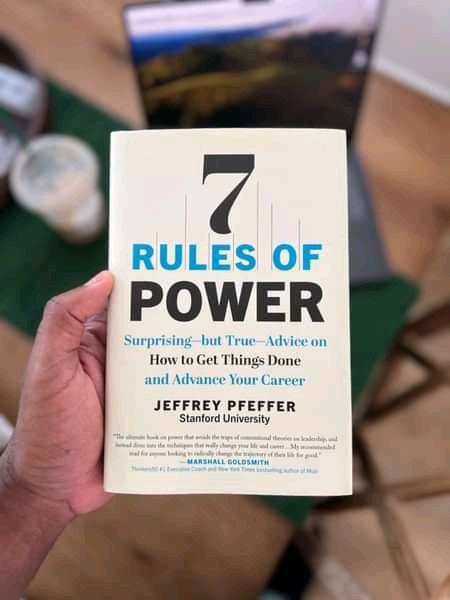
7 Rules of Power

 "Power is not something you either have or you don't. Power is something that is taken, and it's taken by those who are willing to do what others are not willing to do."


7 lessons from 7 Rules of Power: Surprising—but True—Advice on How to Get Things Done and Advance Your Career by Jeffrey Pfeffer:

1. Power is Essential for Success. Pfeffer asserts that understanding and harnessing power is crucial for achieving goals in any organization. He emphasizes that power is not inherently good or bad; rather, it is a necessary tool for getting things done and advancing your career.

2. Build and Leverage Relationships. The author highlights the importance of social networks. Building strong relationships and alliances can significantly enhance your influence and ability to navigate organizational dynamics, making it easier to achieve your objectives.

3. Be Strategic About Your Image. Pfeffer discusses the need to manage your reputation carefully. How you present yourself and the image you cultivate can impact your power and effectiveness in the workplace. Being aware of how others perceive you is vital for career advancement.

4. Embrace Conflict and Competition. The book encourages readers to recognize that conflict and competition are natural in professional environments. Rather than avoiding these situations, embracing them can lead to growth and opportunities for advancement.

5. Take Initiative and Be Proactive. Pfeffer stresses the importance of being proactive in seeking opportunities and taking initiative. Waiting for opportunities to come to you can hinder your progress; instead, actively pursue your goals and create your own chances for success.

6. Understand the Rules of the Game. The author emphasizes the need to understand the unwritten rules of your organization. Knowing how power dynamics work and what behaviors are rewarded can help you navigate your environment more effectively and position yourself for success.

7. Be Willing to Adapt. Finally, Pfeffer highlights the importance of flexibility and adaptability. The ability to adjust your strategies and approaches in response to changing circumstances is crucial for maintaining power and achieving your goals in a dynamic workplace.

These lessons from 7 Rules of Power provide practical insights into navigating the complexities of power dynamics in professional settings, helping individuals to effectively advance their careers and achieve their objectives.

Tuesday, November 5, 2024

The Simple Path to Wealth

 "The Simple Path to Wealth: Your Road Map to Financial Independence and a Rich, Free Life" by JL Collins, with a foreword by Peter Adeney, is a guide to achieving financial independence through straightforward investing and personal finance principles. 


Here are ten lessons from the book:

1. Prioritize Financial Independence: Focus on achieving financial independence by building wealth and reducing expenses. This provides freedom and flexibility to live life on your own terms.

2. Live Below Your Means: Adopt a lifestyle that is below your means to save and invest more. By controlling spending and avoiding debt, you can build wealth more effectively.

3. Invest in Low-Cost Index Funds: Investing in low-cost index funds, particularly those that track the total stock market, is a key strategy. They provide broad market exposure with minimal fees and are effective for long-term growth.

4. Avoid Individual Stocks: Avoid investing in individual stocks due to their volatility and the difficulty in picking winners. Index funds provide diversification and reduce risk.

5. Understand the Importance of Asset Allocation: Asset allocation, which involves diversifying investments across different asset classes (stocks, bonds, etc.), is crucial for managing risk and optimizing returns.

6. Focus on Long-Term Investing: Emphasize long-term investing rather than trying to time the market or chase short-term gains. Compounding growth and patience are key to accumulating wealth over time.

7. Avoid Market Timing: Trying to time the market or make investment decisions based on short-term market movements can be detrimental. Stick to a consistent investment strategy and avoid reacting to market fluctuations.

8. Build an Emergency Fund: Maintain an emergency fund to cover unexpected expenses. This helps prevent the need to dip into investments or incur debt during financial emergencies.

9. Take Advantage of Tax-Advantaged Accounts: Utilize tax-advantaged accounts such as IRAs and 401(k)s to maximize savings and investment growth while minimizing taxes.

10. Educate Yourself and Stay the Course: Continuously educate yourself about personal finance and investing. Stick to your plan, stay disciplined, and avoid making emotional decisions based on market movements.

These lessons from "The Simple Path to Wealth" emphasize practical and disciplined financial strategies for achieving independence and long-term financial success.

More to read:

Monday, October 28, 2024

Walk Away Wealthy

 Here are five lessons from Walk Away Wealthy by Mark Tepper (Author).


1. Financial Freedom is a Choice. Tepper emphasizes that achieving financial freedom requires making conscious choices and taking control of one's financial life.

2. Live Below Your Means. The book stresses the importance of living below your means, saving, and investing to build wealth.

3. Invest in Assets, Not Liabilities. Tepper teaches readers to invest in assets that generate passive income, such as real estate or stocks, rather than liabilities like cars or consumer debt.

4. Build Multiple Income Streams. The book encourages readers to diversify their income streams to reduce financial risk and increase wealth.

5. Take Action and Start Now. Tepper emphasizes the importance of taking action and starting to build wealth now, rather than waiting for the perfect moment or until you feel ready.

These lessons offer a practical guide to achieving financial freedom and building wealth, encouraging readers to take control of their finances, invest wisely, and start now.

More to read:

Saturday, October 19, 2024

The Millionaire Next Door

"The Millionaire Next Door: The Surprising Secrets of America's Wealthy" is a personal finance book written by Thomas J. Stanley and William D. Danko. First published in 1996, it examines the common traits and habits of millionaires in the United States, aiming to dispel myths about wealth and provide actionable insights for readers aspiring to achieve financial success.


Key Concepts and Themes

1. Frugality and Living Below Means:

   - The book emphasizes that many millionaires live modestly, often below their means. They avoid ostentatious lifestyles and prioritize saving and investing over spending.

2. Income vs. Wealth:

   - There is a clear distinction made between high income and wealth accumulation. The authors highlight that earning a high income does not necessarily correlate with wealth if spending habits are not controlled.

3. Self-made Millionaires:

   - A significant portion of millionaires are self-made. They have accumulated their wealth through hard work, perseverance, and disciplined financial habits rather than inheritance.

4. Budgeting and Planning:

   - Millionaires are meticulous planners. They budget carefully and plan for long-term financial goals. They also invest a significant portion of their income.

5. Education and Financial Independence:

   - The authors find that many millionaires are well-educated, but they also emphasize the importance of financial education and independence.

6. Economic Outpatient Care:

   - The book introduces the concept of "economic outpatient care," where affluent parents provide financial support to adult children. It argues that this can inhibit the financial independence of the recipients.

Profiles of Millionaires

The book categorizes millionaires into two main groups:

- Producers of Wealth (PAWs): These are individuals who live below their means, budget carefully, and invest wisely. They typically have a high net worth relative to their income.

  - Under Accumulators of Wealth (UAWs): These are individuals who earn high incomes but do not save or invest prudently, resulting in a lower net worth compared to their income.

Practical Advice

"The Millionaire Next Door" offers several practical tips for building wealth:

- Spend less than you earn: Prioritize savings and investment over consumption.

- Avoid debt: Minimize liabilities and manage debt effectively.

- Invest wisely: Focus on long-term investment strategies rather than quick gains.

- Understand the value of time: Spend time on activities that contribute to financial growth.

- Educate yourself financially: Continuously seek knowledge about personal finance and investment.

 Impact and Legacy

Since its publication, "The Millionaire Next Door" has become a classic in personal finance literature. It has inspired many readers to adopt a more disciplined approach to managing their finances and debunked stereotypes about wealth. The book’s data-driven approach and practical advice have contributed to its enduring popularity and relevance.


Also we have:

10 lessons from "The Millionaire Next Door,":

1: Live Well Below Your Means: True millionaires focus on saving and investing much more than on spending. They don't get caught up in trying to look rich – they prioritize actually becoming rich.

2: Use Your Time and Money Wisely: Millionaires value their time as much as their money. They make conscious decisions about how they spend both.

3: Financial Independence is More Important Than Flashy Status: Building real wealth matters far more to millionaires than impressing others with expensive possessions.

4: Your Parents' Wealth Doesn't Define Your Future: Most millionaires are self-made. They built their own wealth through hard work and smart choices, regardless of whether they inherited money or not.

5: Choose Your Career Carefully: Your profession can significantly impact your ability to build wealth. Some careers have higher earning potential than others.

6: Be Business-Minded: Many millionaires are entrepreneurs or business owners. Having your own business can lead to higher income and greater control over your finances.

7: Don't Support Adult Children Too Much: Millionaires understand that giving adult children too much money can hurt their self-reliance and work ethic.

8: Invest, Invest, Invest: Investing early and consistently is crucial to building wealth over time. They let the power of the stock market work in their favor.

9: Don't Define Yourself By Your Car: True wealth isn't about the things you own. Millionaires often drive practical cars instead of flashy status symbols.

10: Avoid Big Financial Blunders: Large debts, impulsive spending, and neglecting saving and budgeting can derail wealth-building plans. Millionaires prioritize financial responsibility.

You might want to read:

Thursday, August 8, 2024

Skills I need to develop to become wealthy

I asked Chatgpt to give me answers.
 I enjoyed it and You will too.

Skills I need to develop to become wealthy...


Becoming wealthy typically involves a mix of financial savvy, strategic thinking, and personal development. Here are some skills that can help you on your path to wealth:

1. Financial Literacy: Understanding how money works, including budgeting, saving, investing, and managing debt. Familiarize yourself with concepts like compound interest, asset allocation, and financial statements.

2. Investment Knowledge: Learn about different types of investments (stocks, bonds, real estate, mutual funds, etc.) and how to evaluate them. Knowing how to diversify your investments and assess risk is crucial.

3. Entrepreneurial Skills: If you're starting a business, skills like innovation, problem-solving, and risk management are key. Being able to identify opportunities and turn ideas into profitable ventures can drive significant wealth.

4. Networking: Building and maintaining a strong professional network can open doors to opportunities, partnerships, and insights that might otherwise be inaccessible.

5. Negotiation: Effective negotiation can help you secure better deals, whether in business transactions, salary discussions, or purchasing assets.

6. Sales and Marketing: Understanding how to market yourself or your business and effectively sell products or services can significantly impact your earning potential.

7. Strategic Planning: Setting long-term goals and developing a roadmap to achieve them is important for building and sustaining wealth. This involves setting financial goals, creating a plan, and regularly reviewing and adjusting it as needed.

8. Risk Management: Identifying potential risks and creating strategies to mitigate them is essential, whether you're investing, starting a business, or managing personal finances.

9. Self-Discipline and Focus: Wealth accumulation often requires making consistent, disciplined efforts over time. Staying focused on your financial goals and avoiding impulsive decisions is crucial.

10. Continuous Learning: The financial landscape is always evolving. Staying informed about new trends, technologies, and economic changes can help you make better decisions and adapt to new opportunities.


Beyond the foundational skills, here are additional skills and qualities that can contribute to building and sustaining wealth:

1. Leadership and Management: Effective leadership can help you build and manage teams, make strategic decisions, and drive your business or career forward. Good management ensures that resources are used efficiently and goals are met.

2. Time Management: Prioritizing tasks and managing your time effectively allows you to focus on high-impact activities and make the most of opportunities. It helps in balancing short-term tasks with long-term strategic goals.

3. Emotional Intelligence: Being aware of and managing your own emotions, as well as understanding and influencing others’ emotions, can improve your relationships, leadership, and negotiation skills.

4. Innovation and Creativity: The ability to think outside the box and come up with new ideas or approaches can lead to unique opportunities and solutions, whether in business, investing, or problem-solving.

5. Analytical Thinking: Strong analytical skills help in evaluating data, making informed decisions, and identifying trends or patterns that can influence financial strategies and investments.

6. Decision-Making: Being able to make well-informed and timely decisions is crucial. This involves evaluating options, weighing risks and benefits, and taking decisive actions.

7. Adaptability: The ability to adjust to changing circumstances and market conditions can help you navigate uncertainties and capitalize on new opportunities.

8. Negotiation Skills: Mastering the art of negotiation can help you achieve better deals, whether in business deals, salaries, or purchasing assets. It involves understanding both sides of an issue and finding mutually beneficial solutions.

9. Sales Skills: Whether you’re selling a product, a service, or yourself, being persuasive and able to close deals is valuable. It involves understanding customer needs and effectively communicating value.

10. Financial Planning: Developing comprehensive financial plans that include budgeting, saving, investing, and retirement planning helps ensure that you’re working towards long-term financial stability.

11. Tax Optimization: Understanding tax laws and strategies for minimizing tax liabilities can help you keep more of your income and investments, increasing your overall wealth.

12. Legal Knowledge: Having a basic understanding of legal matters related to business, contracts, intellectual property, and estate planning can protect your assets and ensure compliance.

13. Health and Wellness: Maintaining good health and well-being ensures that you have the energy and stamina to pursue your financial goals. Investing in your health can also reduce long-term medical expenses.

14. Crisis Management: Being able to handle unexpected challenges or downturns effectively can help you protect and recover your financial position during tough times.

15. Relationship Building: Building strong, positive relationships with clients, partners, and mentors can lead to opportunities, referrals, and support that can enhance your financial success.

16. Personal Branding: Cultivating a strong personal brand can enhance your professional reputation and open doors to new opportunities, whether in career advancement or entrepreneurial ventures.

Developing these skills often requires a combination of education, experience, and continuous personal growth. As you refine them, you'll be better equipped to navigate the complexities of wealth-building and seize opportunities that come your way.

More to read:


Thursday, July 11, 2024

The Simple Path to Wealth by JL Collins

 Here are 7 Lessons on "The Simple Path to Wealth" by JL Collins: 


    1. Embrace Low-Cost Index Funds: Ditch actively managed funds and their high fees. Instead, invest in low-cost, diversified index funds that passively track the market, like the S&P 500. This maximizes your returns and minimizes costs, especially over the long term.

    2. Compounding is Your Ally: Understand the power of compounding interest. Starting early and investing consistently leads to exponential growth over time. Even small contributions regularly can snowball into significant wealth.

    3. Avoid Market Timing and Noise: Trying to predict the market's ups and downs is a losing game. Focus on long-term investing, stay disciplined, and resist the urge to panic sell or chase hot trends.

    4. Live Below Your Means: Don't lifestyle creep as your income increases. Spend less than you earn, automate savings, and avoid unnecessary debt. This frees up more money to invest and reach financial independence faster.

    5. Focus on Wealth Building, Not Wealth Preservation: In the wealth-building phase, prioritize investing in equities for higher returns, even with more volatility. Don't be overly cautious; take calculated risks for significant potential gains.

    6. Know Your Asset Allocation: Understand how to diversify your portfolio based on your risk tolerance and time horizon. Allocate assets across different asset classes like stocks, bonds, and real estate for balance and stability.

    7. Embrace Financial Independence: Define what financial independence means to you. It's not just about retiring early; it's about having the freedom to pursue your passions without relying solely on a paycheck.

Sunday, July 7, 2024

GEOMETRY OF WEALTH

 8 LESSONS FROM THE BOOK GEOMETRY OF WEALTH: HOW TO SHAPE A LIFE OF MONEY AND MEANING BY BRIAN PORTNOY:


1. True wealth lies in deep purpose.

The pursuit of external rewards, such as money and fame, often leads to disappointment and disillusionment. True happiness comes from finding meaning and purpose in life beyond oneself.

2. Cultivate deep wisdom.

Deep wisdom is the ability to see the world with clarity and compassion, and to make decisions based on sound judgment and ethical principles. It is not about acquiring knowledge, but about developing understanding and insight.

3. Detach from empty rewards.

Society often places a high value on external markers of success, such as wealth, status, and beauty. However, these rewards are often fleeting and unsatisfying. True fulfillment comes from within, and it is not dependent on external validation.

4. Embrace connection and service to others.

Humans are social creatures, and strong relationships are essential for our well-being. Find ways to connect with others on a deep level and contribute your time and talents to make a positive impact on the world.

5. Develop a strong spiritual foundation.

Spirituality is not about religion, but about finding meaning and purpose in life beyond the material world. Connect with something larger than yourself, whether it be nature, a higher power, or a sense of interconnectedness with all living things.

6. Embrace lifelong learning.

The brain is constantly changing and adapting, and it is never too late to learn new things. Keep your mind active by engaging in stimulating activities, such as reading, taking classes, or learning new skills.

7. Cultivate resilience and adaptability.

Life is full of challenges and setbacks. Learn to bounce back from adversity and find ways to adapt to changing circumstances.

8. Practice gratitude.

Take time to appreciate the good things in your life, both big and small.

Thursday, June 13, 2024

How Rich People Think

 Top 10 key lessons from Steve Siebold’s book, "How Rich People Think" explores the mindset and thought patterns that contribute to financial success.


1. Wealth Begins in the Mind: The book emphasizes that building wealth starts with cultivating the right mindset. How you think about money and success greatly influences your financial outcomes.
 

2. Focus on Opportunities, Not Obstacles: Wealthy individuals tend to view challenges as opportunities rather than obstacles. They look for solutions and ways to capitalize on situations, fostering a proactive mindset.
 

3. Invest in Education and Self-Improvement: Continuous learning is a common trait among the wealthy. They invest in education, acquiring knowledge and skills that contribute to their success.
 

4. Take Calculated Risks: Successful people take calculated risks and understand that significant rewards often come with a level of risk. They assess opportunities carefully and make informed decisions.
 

5. Value Time: Time is considered a valuable resource. Wealthy individuals are often efficient with their time, focusing on high-impact activities and avoiding time-wasting behaviors.
 

6. Multiple Income Streams: Building wealth often involves creating multiple streams of income. Wealthy individuals diversify their sources of revenue to increase financial stability.
 

7. Focus on Long-Term Goals: The wealthy tend to have a long-term perspective. They set ambitious, measurable goals and work steadily toward them, understanding that success is a marathon, not a sprint.
 

8. Embrace Change: Successful people are adaptable and embrace change. They recognize that the business landscape is dynamic, and staying ahead often involves adapting to new technologies and trends.
 

9. Think Big: Wealthy individuals think big and set audacious goals. They aim for significant achievements and are not afraid to dream on a grand scale.
 

10. Take Responsibility for Financial Outcomes: The book stresses the importance of personal responsibility. Wealthy individuals understand that they are in control of their financial destiny and take ownership of their decisions.

Sunday, June 9, 2024

Wealth and health- A Poem

 A poem that reflects on the intertwining paths of wealth and health


In the dance of life, two partners twirl, 

Wealth and Health, a precious swirl.

One clad in gold, the other pure,

Together, they whisper a future sure.


 Wealth spins tales of empires vast,

Of golden dreams, and fortunes cast.

It speaks of comfort, ease, and more,

A bountiful harvest from life's store.


Yet, Health steps in with a gentle touch,

Reminding us that gold means not much.

Without the vigor to enjoy the feast,

The dance of life would soon have ceased.


Together they waltz, a balance sought,

For one without the other is naught.

Wealth may build a castle grand,

But Health is needed to explore the land.


So cherish both, in equal measure, 

For combined, they form life's greatest treasure.

A healthy soul in a body sound,

With wealth enough to spread around.


May your days be rich with both in hand,

A harmonious duo, forever grand.

For in the end, it's clear to see,

Wealth and Health, the keys to be free.


We hope you enjoyed the Poem as we did. You have a wonderful day always!

Thursday, June 6, 2024

10 Money Rules to Build Life-Changing Wealth- Ramit

 The following is a transcript of a video we found to be useful on your search for ways to make money. We believe these rules are to be considered. Obviously, the author of this video has his own point of view but it's up to you to make the decision and apply them in your life. The link of the source will be at the bottom of the post.


"One of the keys to building a rich life is to create a few simple guidelines around what to do with your money. Think about it: on any given day, you're faced with a hundred financial decisions. Should I buy this type of chicken or that type? Should I pay off my debt earlier or not? Should we buy a house or rent?

What you want to do is build your personal philosophy on money so you can narrow down all your options and have an easy way to make these big decisions. I call them Money Rules, and I want to share my 10 Money Rules. These are my actual rules that I use to make big decisions with my money. Before you read, remember these are just my rules. Some of them may sound weird, and some might even sound totally ridiculous. That's okay. Money rules should fit you like a handmade glove.

Here are my 10 Money Rules:

1. Always have one year of emergency fund cash. Typically, people in the personal finance world recommend 3 to 6 months of an emergency fund. For me, I prefer to be more conservative. I want to know that if something really bad happens, I have extra cash available to tide things over. During COVID, many people panicked because they didn't have an emergency fund. When I say cash, I don't mean money sitting around in my closet—it's in a bank account, it's liquid, and I don't care about the interest. If a one-year emergency fund seems extreme to you, adjust the numbers. Start with a month, work up to 3 months, maybe 6 months. It's up to you.

2. Save and invest 10% and 20% of gross income, minimum. In my conscious spending plan, I talk about saving 5 to 10% and investing 5 to 10%. As you make more money, you should increase those numbers. True wealth is created by investing, so I'm aggressive about taking money and investing it. Not everyone will be able to save 10% of gross and invest 20% of gross income right away but start where you can and aim to increase it by 1% each year.

3. Be able to pay in full for large expenses such as a wedding, honeymoon, and a house. This rule is about planning ahead and saving for significant expenses before they happen. It's not realistic for most people to buy a house and pay for it in full, but the principle of saving in advance will always be valuable.

4. Never question spending on books, appetizers, or donating to charity. Creating rules that are permissive rather than restrictive can be empowering. For example, if I see a book that interests me, I buy it without hesitation. This rule also applies to appetizers when dining out and donations to charity.

5. Fly business class on flights over four hours. This rule is simply because I want to and can afford it. It’s a personal luxury that I value and enjoy.

6. Buy the best and keep it for as long as possible. This applies to things that are important to me, such as clothes, tools, and gadgets. Buying high-quality items and maintaining them over time can be more economical in the long run.

7. No limit on spending for personal development. Investing in personal growth is invaluable. Whether it's an online course, a personal trainer, or a new skill, I believe in the limitless benefits of self-improvement.

8. Earn enough to work only with people I respect and like. The people you work with can greatly affect your quality of life. It’s important to me to work in an environment where I respect and like my colleagues.

9. Prioritize my time outside the spreadsheet. While optimizing finances is important, living a rich life means spending time away from the computer, enjoying activities, and being with loved ones.

10. Marry the right person. This is one of the most significant financial decisions you will ever make. The right partner will share your values and approach to money, which is crucial for a harmonious life together.


These are my personal Money Rules. They are about saying yes more than saying no. Take my money rules and tailor them for your life, values, and priorities. Your rules should be specific enough to be meaningful to you, even if they seem weird or ridiculous to others. Remember, they should fit you like a handmade glove. "

https://www.youtube.com/watch?v=m4ZT1EEU0Nw


The Richest Man in Babylon

 "The Richest Man in Babylon" by George S. Clason is a classic text on personal finance and wealth building. Through parables set in ancient Babylon, Clason offers timeless lessons on managing finances that are as relevant today as they were when the book was first published in 1926. 


Here are some key lessons from the book

1. Save at Least 10% of Your Income: One of the book's most fundamental lessons is the importance of saving a portion of every paycheck. By setting aside at least 10% of your earnings, you create a foundation for financial security and wealth accumulation.

2. Live Below Your Means: The book emphasizes the importance of controlling your expenditures and living within your means. Avoiding unnecessary expenses and focusing on your needs rather than wants are crucial steps toward financial independence.

3. Invest Wisely: Simply saving money is not enough; it's essential to put your savings to work. The book advocates for investing your money in ways that it can earn more money, stressing the importance of seeking advice from knowledgeable individuals when making investment decisions.

4. Protect Your Wealth: Protecting your wealth from loss is just as important as earning it. The book advises against putting money into investments you do not understand or which seem too good to be true.

5. Own Your Home: Owning your own home is presented as a step toward financial stability and wealth. It represents a form of forced savings and provides a sense of security that renting cannot.

6. Ensure a Future Income: Planning for the future, particularly for retirement and unforeseen needs, is crucial. The book encourages creating a stream of passive income through investments to ensure financial security in later life.

7. Increase Your Ability to Earn: Education and self-improvement are highlighted as paths to increase your earning potential. The book stresses the importance of continuously seeking knowledge and skills that can make you more valuable as an employee or entrepreneur.

8. Luck Happens When Preparation Meets Opportunity: The book dispels the notion of overnight success and emphasizes that "luck" often comes to those who are prepared and actively seeking opportunities.

9. The Five Laws of Gold: These laws encapsulate the book's advice on handling wealth: save money, invest wisely, ensure your investments are secure, don't chase unrealistic returns, and invest in yourself to increase your earning potential.

10. Debt is a Slavery: Clason advises against taking on debt for consumption, portraying debt as a form of slavery from which it is essential to free oneself as quickly as possible.

"The Richest Man in Babylon" provides a framework not only for achieving financial prosperity but also for living a balanced and fulfilling life. Its enduring popularity attests to the effectiveness and simplicity of the financial principles it advocates.

Sunday, May 5, 2024

I Wish I Was Wealthy

 "I Wish I Was Wealthy" Poem


I wish I was wealthy, beyond compare, With coins that jingle, and bills to spare. To swim in riches, without a care, And live a life beyond all dare.

A mansion grand, with rooms so vast, Where shadows dance and memories last. A garden fair, where blooms contrast, With diamonds dew, in morning's blast.

I wish I was wealthy, to travel wide, On wings of gold, where dreams reside. To see the world from mountains' pride, And sail the seas, with time as guide.

A feast of flavors, from lands afar, Where every dish is a shining star. To taste the essence, both near and far, In every sip, in every jar.

I wish I was wealthy, to ease life's strain, To lift the burden, to break the chain. To heal the wounds of grief and pain, And turn despair into hopeful rain.

But wealth of heart, is what I seek, A treasure pure, in moments meek. In kindness shared, in love unique, In bonds that last, when times are bleak.

So though I wish for wealth untold, In silver, gold, and stories bold, I'll cherish riches, worth more than gold, In hearts united, in stories told.


Saturday, February 24, 2024

The Richest Man in Babylon

 10 Practical Lessons from The Richest Man in Babylon:


1. Pay Yourself First: This is the core principle of the book. Allocate a portion of your income (10% suggested) towards savings and investments before you pay any bills. This ensures your future financial goals are prioritized.

2. Control Your Desires: Don't fall victim to impulsive spending. Differentiate between "needs" and "wants" and prioritize fulfilling basic needs before indulging in desires.

3. Invest Wisely: Seek knowledge and guidance before investing. Research opportunities carefully and prioritize security and stability over risky ventures.

4. Make Your Money Work: Don't let your savings stagnate. Invest in reliable sources like property or businesses that generate passive income, allowing your money to grow for you.

5. Protect Your Wealth: Secure your assets. Consider insurance against unforeseen events that could deplete your savings.

6. Continuously Learn: Invest in yourself by acquiring new skills and knowledge that can increase your earning potential.

7. Seek Wise Counsel: Don't be afraid to seek advice from experienced and successful individuals. Listen to their insights and learn from their mistakes.

8. Live Within Your Means: Don't overspend or accumulate debt. Adapt your lifestyle to your income and avoid falling into the trap of keeping up with appearances.

9. Be Patient: Building wealth takes time and discipline. Don't expect instant results and focus on consistent, sustainable practices.

10. Enjoy the Journey: While pursuing financial goals, remember to appreciate the present moment. Find ways to enjoy life within your means and celebrate your achievements along the way.

Sunday, February 11, 2024

Secrets of the Millionaire Mind

 "Secrets of the Millionaire Mind" is a personal finance and self-help book by T. Harv Eker. The book delves into the mindset and psychology of wealthy individuals, offering insights into the thought patterns and beliefs that contribute to financial success. 

Eker discusses the concept of the "wealth blueprint" and how one's attitudes towards money and success can impact their financial outcomes.


Here are 8 valuable lessons from the book:


1. Change your mindset: The book emphasizes the importance of changing your mindset from a scarcity mindset to an abundance mindset. This means believing that there is enough wealth and success to go around and that you can achieve it too.


2. Think big: Millionaires think big and set big goals for themselves. They don't limit themselves or their potential. The book encourages readers to think big and set big goals for themselves.


3. Take action:
Millionaires take action and don't wait for opportunities to come to them. They create their own opportunities and take risks. The book encourages readers to take action and not be afraid to fail.


4. Surround yourself with success: The book emphasizes the importance of surrounding yourself with successful people who have a positive mindset. This can help you learn from their experiences and adopt their mindset.


5. Manage your money: Millionaires are good at managing their money and making it work for them. The book encourages readers to develop good money management habits and invest wisely.


6. Believe in yourself: The book emphasizes the importance of believing in yourself and your abilities. You have to believe that you can achieve success and wealth in order to make it happen.


7. Be persistent: Millionaires are persistent and don't give up easily. The book encourages readers to be persistent and keep working towards their goals, even when faced with obstacles or setbacks.


8. Give back:
Millionaires often give back to their communities and support charitable causes. The book encourages readers to give back and make a positive impact on the world.

Friday, February 9, 2024

The Compound Effect

 "The Compound Effect" by Darren Hardy is a powerful message about achieving big results through small, consistent actions. It argues that tiny decisions, like reading 10 pages daily or exercising for 15 minutes, snowball over time, leading to immense success. Think of it like building interest on your achievements; every small step compounds, creating a future of remarkable outcomes.


Lessons from "The Compound Effect" by Darren Hardy:


1. Small Choices, Big Results: The book's core principle is the "Compound Effect," highlighting how small, consistent choices, decisions, and actions, even seemingly insignificant ones, can accumulate over time to produce remarkable achievements. This shifts the focus from quick fixes and grand gestures to consistent, sustainable progress.


2. Choice Determines Destiny:
You are in control of your choices, and those choices ultimately determine your future. Hardy emphasizes the importance of taking responsibility for your life and consciously directing your daily decisions towards your goals.


3. Consistency is Key:
Consistency trumps intensity. While occasional bursts of effort can be helpful, it's the daily, consistent application of effort that truly pays off in the long run. Building positive habits and routines is crucial for sustained progress.


4. Focus on Progress, Not Perfection: Don't be paralyzed by the fear of not being perfect. Embrace progress, celebrate small wins, and learn from mistakes. The journey to success is a continuous learning process, not a destination.


5. Invest in Yourself: Knowledge is power. Investing in your personal and professional development through learning, skills acquisition, and mentorship can significantly accelerate your growth and increase your compound effect.

"Jumpstart your income, your life, your success".  Thank you for stopping by.
 

Wednesday, January 31, 2024

The Smartest Investment Book You'll Ever Read

 10 Lessons from The Smartest Investment Book You'll Ever Read:
Market Myths and Misconceptions by Daniel R. Solin:

1. Wall Street Doesn't Want You to Win: Don't believe the hype. The financial industry often prioritizes its own profits over your financial well-being. Educate yourself and take control of your own investments.

2. "Experts" Aren't Always Right: Don't blindly follow the advice of so-called experts. They can be biased, make mistakes, and prioritize their own interests. Do your own research and make informed decisions.

3. The Market Doesn't Care About You:
The market is not a sentient being. It doesn't care about your emotions or financial goals. Focus on long-term strategies and avoid emotional decisions.

4. Invest in Low-Cost Index Funds: Avoid high-fee mutual funds and actively managed portfolios. Index funds offer broad diversification and lower fees, generally outperforming the market over time.

5. Time is Your Greatest Ally: Start investing early and let compounding interest work its magic. Even small contributions over time can grow significantly.

6. Focus on Asset Allocation: Diversify your portfolio across different asset classes like stocks, bonds, and real estate to mitigate risk and optimize returns.

7. Rebalance Regularly: Periodically adjust your portfolio to maintain your desired asset allocation. This ensures you stay on track with your long-term goals.

8. Don't Panic-Sell: Resist the urge to sell during market downturns. Stay calm, ride out the fluctuations, and focus on your long-term investment plan.

9. Live Below Your Means: Avoid unnecessary debt and spend less than you earn. This gives you more flexibility and control over your financial future.

10. Invest in Yourself: The best investment is often in yourself. Continuously learn, develop new skills, and improve your earning potential. This will have a lasting impact on your financial well-being.

Bonus Lesson: Take Control of Your Finances: Don't outsource your financial future to others. Educate yourself, make informed decisions, and be proactive in managing your money.


Remember: The Smartest Investment Book You'll Ever Read challenges conventional wisdom and empowers you to take control of your financial future. By understanding market realities, building a diversified portfolio, and adopting a long-term mindset, you can achieve financial success and secure your future.

Tuesday, January 30, 2024

"The Simple Path to Wealth"

 Top 7 critical lessons from "The Simple Path to Wealth" by JL Collins.

1. Embrace Compounding: Time is your greatest asset. The earlier you start investing and let your money grow through compounding (earning interest on interest), the more wealth you'll accumulate over time.

2. Index Funds are Your Friends: Skip the complex and expensive investment schemes. Index funds offer broad diversification and low costs, making them ideal for long-term wealth building. Stick with low-cost, broadly diversified index funds that track major market indices like the S&P 500.

3. Ditch the Market Timing: Trying to predict market ups and downs is a fool's errand. Focus on a long-term investment strategy and avoid emotional decisions based on market fluctuations. Stay disciplined, invest consistently, and let time do its magic.

4. Live Below Your Means: Spending less than you earn is the cornerstone of wealth building. Track your expenses, identify areas to cut back, and automate your savings. The more you save, the faster your wealth will grow.

5. Debt is the Enemy: High-interest debt can cripple your financial progress. Prioritize paying off debt, especially high-interest credit cards and loans. Once debt-free, avoid accumulating new debt and strive to live a debt-free life.

6. Define Your "F-You Money" Number: This is the amount you need to live comfortably without relying on a paycheck. Knowing your number gives you a clear financial goal to work towards and provides peace of mind.

7. Invest in Yourself: Your biggest asset is you. Invest in your skills, knowledge, and health. Continuously learn, develop new skills, and take care of your physical and mental well-being. This investment will pay off throughout your life.


Enjoy the rest of your Day and happy reading!


9 habits of financially successful people

  More to read: https://howtomakemoney4000.blogspot.com/2024/03/five-doors-of-success.html https://howtomakemoney4000.blogspot.com/2024/06/t...