Search

Showing posts with label booksonline. Show all posts

Friday, September 20, 2024

The Greatest Networker in the World

 Here are 5 lessons from The Greatest Networker in the World by John Milton Fogg (Author)

"The Greatest Networker in the World" by John Milton Fogg offers valuable insights into the principles of network marketing and building meaningful relationships. 


Here are five key lessons from the book:

1. Focus on Building Relationships: Fogg emphasizes the importance of building genuine, authentic relationships with others. Rather than viewing people solely as prospects or potential customers, he encourages networkers to focus on connecting with others on a personal level, building trust, and adding value to their lives.

2. Serve Others First: The book teaches that success in network marketing comes from a mindset of service and contribution. Fogg advocates for putting the needs and interests of others first, genuinely caring about their success, and offering support, guidance, and encouragement without expecting anything in return.

3. Practice Active Listening: Effective communication is key to building strong relationships. Fogg emphasizes the importance of active listening—paying attention to others, asking open-ended questions, and showing genuine interest in their thoughts, feelings, and aspirations. This fosters deeper connections and rapport with others.

4. Lead with Value: In network marketing, providing value to others is essential for building trust and credibility. Fogg encourages networkers to lead with value by sharing valuable insights, resources, and solutions that address the needs and challenges of their audience. This positions them as trusted advisors and strengthens their influence.

5. Consistency and Persistence: Success in network marketing requires consistency and persistence over time. Fogg stresses the importance of staying committed to your goals, taking consistent action towards building your network, and persevering in the face of rejection or setbacks. Success often comes from sustained effort and dedication.

By applying these lessons from "The Greatest Networker in the World," network marketers can develop the mindset, skills, and strategies needed to build a thriving network and achieve success in their business endeavors.

More to read: 

Thursday, September 12, 2024

The Joys Of Compounding

 The Joys Of Compounding: The Passionate Pursuit Of Lifelong Learning by Gautam Baid is is a treasure trove of wisdom and insights for anyone who wants to improve themselves and their lives through continuous learning and growth. 

Here are seven lessons that I found particularly valuable and inspiring:


1: The power of compounding applies not only to money, but also to knowledge, skills, habits, and relationships.

Baid shows how small, consistent, and incremental improvements in any area of life can lead to exponential results over time. He also explains how to avoid the pitfalls of negative compounding, such as procrastination, distraction, and complacency.

2: The best investment you can make is an investment in yourself. 

Baid emphasizes the importance of developing a lifelong learning mindset and cultivating a passion for curiosity and discovery. He shares his own journey of reading, learning, and applying the ideas of various mentors and role models, from Warren Buffett and Charlie Munger to Benjamin Franklin and Albert Einstein. He also provides practical tips and resources on how to read more, learn faster, and retain better.

3: The quality of your decisions determines the quality of your life. 

Baid reveals how to improve your decision making process by using mental models, frameworks, and principles from various disciplines, such as psychology, economics, philosophy, and mathematics. He also warns against the common cognitive biases and errors that can cloud your judgment and lead to suboptimal outcomes.

4: The key to success is not intelligence, talent, or luck, but persistence, discipline, and hard work. 

Baid illustrates how to overcome the challenges and obstacles that inevitably arise in the pursuit of your goals and dreams. He advocates for adopting a growth mindset, a stoic attitude, and a resilient spirit. He also shares the habits and routines that can help you stay focused, motivated, and productive.

5: The most important asset you have is your reputation. 

Baid stresses the value of building trust, credibility, and integrity in your personal and professional relationships. He advises how to avoid the temptations of short-term gains and unethical behavior that can damage your reputation and ruin your long-term prospects. He also suggests how to handle criticism, feedback, and failure with grace and humility.

6: The greatest source of happiness is not money, fame, or power, but gratitude, generosity, and service. 

Baid explores the meaning and purpose of life and the role of happiness and fulfillment in it. He argues that the ultimate goal of life is not to accumulate wealth and possessions, but to create value and make a positive difference in the world. He also encourages how to practice gratitude, generosity, and service as a way of expressing your appreciation and giving back to society.

7: The journey is more important than the destination.

Baid reminds us that life is not a race, but a journey of exploration, experimentation, and enjoyment. He urges us to savor the present moment, appreciate the beauty and wonder of nature, and cherish the love and friendship of our family and friends. He also inspires us to pursue our passions, express our creativity, and follow our curiosity.

These are just some of the many lessons that I learned from reading The Joys Of Compounding. This book is not only a guide to value investing, but also a guide to living a rich and fulfilling life. I highly recommend this book to anyone who wants to learn from the best and become the best version of themselves. I hope you will find this book as enlightening and empowering as I did. Happy reading!

Friday, August 23, 2024

Breaking The Habit of Being Yourself

 "The quantum field responds not to what we want; it responds to who we are being."

Here are 7 lessons from Breaking The Habit of Being Yourself: How to Lose Your Mind and Create a New One by Dr. Joe Dispenza (Author)


1. Understanding Neuroplasticity: Dr. Joe Dispenza likely explains the concept of neuroplasticity, which is the brain's ability to rewire and reorganize itself in response to new experiences and thoughts. The book may highlight how individuals can harness neuroplasticity to break old habits and create positive changes in their lives.

2. The Power of Mindfulness: Breaking The Habit of Being Yourself probably emphasizes the importance of mindfulness in reshaping thoughts, behaviors, and habits. Dispenza may offer mindfulness practices and techniques to help readers become more aware of their thoughts and emotions, enabling them to consciously choose new patterns of thinking and acting.

3. Reprogramming the Subconscious Mind: The author likely explores the role of the subconscious mind in shaping behavior and belief systems. Dispenza may provide insights into how subconscious programming influences habits and offers strategies for reprogramming the subconscious to align with desired outcomes.

4. Visualizing Desired Outcomes: Breaking The Habit of Being Yourself may advocate for the practice of visualization as a powerful tool for creating change. Dispenza may guide readers through visualization exercises to imagine their ideal selves and circumstances, thereby activating the brain's capacity for transformation.

5. Embracing Quantum Principles: Dispenza may introduce readers to quantum principles and how they relate to personal transformation. The book may explore concepts such as quantum physics and the interconnectedness of mind and matter, offering a new perspective on the nature of reality and human potential.

6. Taking Responsibility for Change: The author likely emphasizes the importance of taking responsibility for one's thoughts, emotions, and actions. Dispenza may encourage readers to become conscious creators of their lives, recognizing their power to change and shape their reality through intentional thought and behavior.

7. Creating New Habits for Success: Lastly, Breaking The Habit of Being Yourself may provide practical strategies for creating new habits that support personal growth and success. Dispenza may offer step-by-step guidance on how to implement positive changes in daily routines, habits, and mindset to achieve desired outcomes.


Also read: How to make money blog: The Secret" (howtomakemoney4000.blogspot.com)

Monday, August 5, 2024

My Morning Routine

 10 lessons to learn from   "My Morning Routine" by Benjamin Spall


  1. Whether intentional or not, everyone has a morning routine. By becoming conscious of it, you can optimize it for better results.
  2. Identify what gets you out of bed and excited to start your day. It could be a specific task, a personal goal, or simply the joy of a quiet morning.
  3. Utilize the focus and clarity of early mornings for important tasks or activities that require your best mental effort.
  4. Starting your day with exercise, even light movement, improves mood, energy levels, and sets a positive tone for the day.
  5. A morning meditation practice can enhance focus, reduce stress, and cultivate a sense of calm throughout the day.
  6. Minimize screen time and technology use in the mornings to avoid distractions and prioritize mindfulness.
  7. Prepare the night before by laying out clothes, packing lunches, or prepping for work. This eliminates morning stress and helps you stay on schedule.
  8. Prioritize good sleep hygiene to ensure you wake up feeling refreshed and ready to tackle your morning routine.
  9. Some "me-time" in the morning, even if it's just a few minutes, to read, reflect, or enjoy a quiet activity.
  10. Life happens. Be willing to adjust your routine as needed and find what works best for you over time.

Thursday, August 1, 2024

Designing Your Life

 Lessons from the book "Designing Your Life: How to Build a Well-Lived, Joyful Life" by Bill Burnett and Dave Evans


1. Embrace curiosity and exploration: The book emphasizes the importance of adopting a growth mindset and being open to exploring new possibilities. Instead of sticking to a fixed path, allow yourself to be curious about various options and pursue activities that ignite your passion and curiosity.
 

2. Design your way forward: Rather than passively accepting whatever life throws at you, the authors suggest taking a proactive approach to designing your life. Apply design thinking principles, such as reframing problems, ideating potential solutions, and prototyping different options, to create a well-lived and joyful life.


3. Prototype and experiment: The authors emphasize the value of prototyping small and low-risk experiments to test out potential ideas and directions. By trying out different possibilities in a safe and iterative way, you can gain valuable insights and adjust your course accordingly.
 

4. Focus on building life portfolios: The book encourages readers to think of their lives as portfolios rather than linear career paths. Rather than putting all your eggs in one basket, diversify and invest your time and energy in multiple areas of life, such as work, relationships, health, and personal development.
 

5. Use curiosity to fuel your way: Foster a sense of curiosity in your life, and use it as a driving force to navigate through various challenges and uncertainties. Cultivate a mindset of constant learning, seeking out new experiences, and embracing the unknown.
 

6. Reframe problems as opportunities: Instead of getting stuck in a cycle of problem-solving, the authors suggest reframing challenges and setbacks as opportunities for growth. By actively seeking out the positive aspects of difficult situations, you can extract valuable insights and leverage them to design a more fulfilling life.
 

7. Prioritize well-being and self-care: In the pursuit of a well-lived and joyful life, it's crucial to prioritize your well-being. The book emphasizes the importance of taking care of yourself mentally, physically, and emotionally. Prioritize self-care activities, establish healthy boundaries, and make choices that align with your overall well-being.
 

8. Cultivate a supportive community: Surround yourself with like-minded individuals who can provide support, guidance, and accountability. Building a community of people who share your values and aspirations can greatly enhance your personal and professional growth.
 

9. Embrace failure and iterate: Rather than fearing failure, the authors encourage embracing it as an opportunity for learning and growth. Use failures and setbacks as feedback to iterate and improve your life design. Embrace a mindset that views failures as stepping stones towards success.
 

10. Stay true to yourself: Ultimately, the book emphasizes the importance of living an authentic life. It encourages readers to consider their own values, passions, and unique strengths while designing their lives. By staying true to yourself and aligning your life choices with your core values, you can create a well-lived and joyful life that is true to who you are.

Tuesday, July 23, 2024

Know Yourself Know Your Money

 Know Yourself, Know Your Money: Discover WHY You Handle Money the Way You Do and WHAT to Do About It!" by Rachel Cruze 


1. Understand Your Money Mindset: Recognize that your attitudes, beliefs, and experiences shape your relationship with money. Understanding your money mindset is the first step toward making positive changes to your financial habits.

2. Identify Your Money Habits: Take time to reflect on your spending, saving, and investing habits. Identify patterns in your behavior and consider how they may be impacting your financial well-being.

3. Face Your Money Fears: Acknowledge any fears or anxieties you have about money, such as fear of scarcity, fear of failure, or fear of not being in control. Confronting these fears allows you to take proactive steps to address them and build financial resilience.

4. Define Your Financial Values: Clarify your financial values and priorities to align your money decisions with what truly matters to you. Understanding what you value most can guide your spending, saving, and giving choices.

5. Break Free from Comparison: Resist the urge to compare yourself to others when it comes to money. Focus on your own financial goals and aspirations, rather than trying to keep up with external standards or expectations.

6. Track Your Spending: Monitor your spending habits to gain insight into where your money is going. Use tools like budgeting apps or spreadsheets to track expenses and identify areas where you can adjust.

7. Set SMART Financial Goals: Establish specific, measurable, achievable, relevant, and time-bound (SMART) financial goals to guide your money decisions and actions. Having clear goals gives you a sense of purpose and direction in your financial journey.

8. Create a Spending Plan: Develop a spending plan, or budget, that aligns with your financial goals and values. Allocate your income toward essentials, savings, debt repayment, and discretionary spending in a way that reflects your priorities.

9. Practice Self-Discipline: Cultivate self-discipline to resist impulsive spending and make intentional choices with your money. Set boundaries, establish healthy habits, and hold yourself accountable for sticking to your financial plan.

10. Seek Support and Accountability: Surround yourself with a supportive network of friends, family, or financial professionals who can offer guidance, encouragement, and accountability as you work toward your financial goals.

Friday, July 12, 2024

The laws of human nature

Ten Insights from Robert Greene's "The Laws of Human Nature"


1. See Yourself Clearly: Understand your own strengths, weaknesses, and motivations. This self-awareness allows you to navigate social interactions more effectively and avoid being manipulated.
2. Master Your Emotions: Don't let your emotions control you. Learn to manage your emotional responses and project a calm, collected demeanor.
3. Understand the Power of Perception: Recognize that people primarily judge you based on your appearance, behavior, and first impressions. Manage your image and communication strategically.
4. Master the Art of Disguise: Use calculated self-presentation to achieve your goals. However, remember to stay authentic at your core to avoid manipulation becoming harmful.
5. Play on Human Desire: Understand what motivates people, their desires, and fears. Use this knowledge to build trust, influence, and negotiate effectively.
6. The Law of Power: Power dynamics exist in every interaction. Understand and navigate these dynamics ethically and strategically.
7. Don't Fear Enemies, Understand Them: View enemies as opportunities to learn and grow. By understanding their motivations, you can anticipate their moves and counter them effectively.
8. Use Indirect Methods of Control: Manipulate people subtly and indirectly, avoiding obvious force or coercion. Use suggestion, charm, and psychological tactics to influence them.
9. Learn to Say No: Setting boundaries and refusing unreasonable requests are crucial for self-respect and avoiding exploitation.
10. Master the Art of the Game: Life is a complex game with ever-changing rules. Observe, learn, and adapt to navigate social interactions and achieve your goals with grace and intelligence.

Wednesday, July 10, 2024

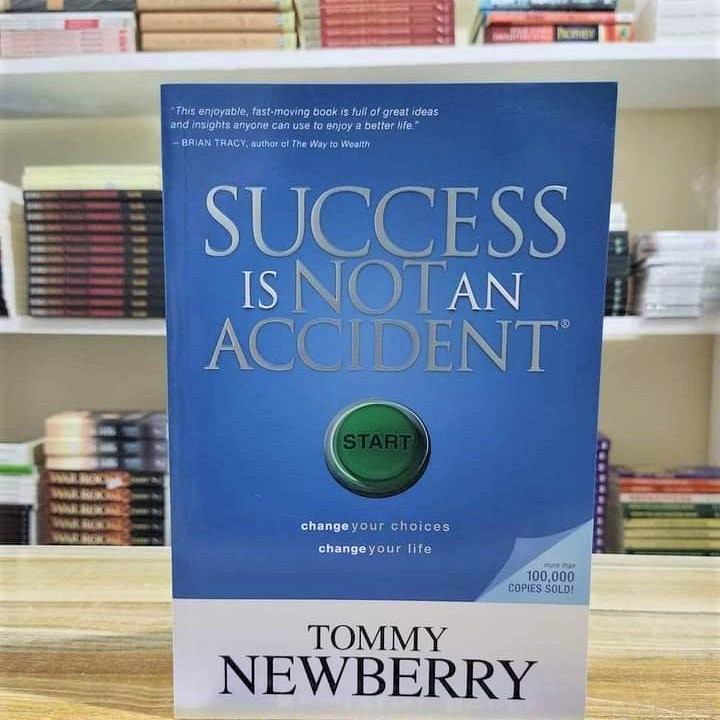
Success Is Not an Accident

 7 powerful lessons from the book Success Is Not an Accident: Change Your Choices; Change Your Life by Tommy Newberry


1. Success is not random. It is the result of intentional choices. We all have the power to choose our own path in life. If we want to be successful, we need to make choices that are aligned with our goals.

2. Our thoughts and beliefs create our reality. What we think about ourselves and about the world around us has a big impact on our success. If we have negative thoughts and beliefs, they will hold us back from achieving our goals. But if we have positive thoughts and beliefs, they will help us to achieve our full potential.

3. We need to have a clear vision for our lives. What do we want to achieve? What kind of life do we want to live? Once we have a clear vision, we can start to make choices that will help us to achieve it.

4. We need to take action. We can't just sit around and wait for success to happen to us. We need to take action towards our goals every day. Even small steps can add up over time and lead to big results.

5. We need to be persistent. Success doesn't happen overnight. It takes time, effort, and perseverance. There will be setbacks along the way, but we need to keep moving forward.

6. We need to surround ourselves with positive people. The people we spend time with have a big impact on our success. We need to surround ourselves with people who support our goals, believe in us, and make us feel good about ourselves.

7. We need to be grateful for what we have. Gratitude is essential for a happy and fulfilling life. When we are grateful for what we have, we are more likely to achieve our goals and experience true success.

Wednesday, July 3, 2024

How to Make Better Choices in Life and Work

 10 practical lessons from Decisive: How to Make Better Choices in Life and Work " by Chip Heath and Dan Heath


1. Widen your options: Instead of limiting yourself to a binary choice, consider multiple alternatives to expand your decision-making perspective and increase the likelihood of making a better choice.

2. Reality-test your assumptions: Challenge your assumptions and gather diverse perspectives to gain a more accurate understanding of the situation, enabling you to make informed decisions.

3. Attain distance before deciding: Step back from the immediate situation to gain perspective and reduce emotional biases, allowing for a more rational and balanced decision-making process.

4. Prepare to be wrong: Acknowledge that no decision is foolproof, and prepare for contingencies by considering the potential downsides and planning for alternative scenarios.

5. Stay mindful of your core priorities: Identify your core values and priorities to align your decisions with what truly matters to you, ensuring that your choices reflect your long-term objectives.

6. Multitrack your decisions: Instead of viewing decisions as isolated events, consider how they may impact and influence other areas of your life, allowing for a more holistic approach to decision-making.

7. Test your decisions: Utilize small-scale experiments or simulations to test the feasibility and potential outcomes of your decisions before fully committing to them.

8. Maintain a balanced perspective: Seek out advice from diverse sources, including individuals with different perspectives and expertise, to gain a comprehensive understanding of the decision at hand.

9. Overcome decision paralysis: Avoid getting stuck in analysis-paralysis by setting clear deadlines and taking action, while remaining open to adjusting your course based on new information.

10. Learn from experience: Reflect on past decisions, both successful and unsuccessful, to gain insights and refine your decision-making process over time, fostering continuous improvement.

Thursday, June 13, 2024

How Rich People Think

 Top 10 key lessons from Steve Siebold’s book, "How Rich People Think" explores the mindset and thought patterns that contribute to financial success.


1. Wealth Begins in the Mind: The book emphasizes that building wealth starts with cultivating the right mindset. How you think about money and success greatly influences your financial outcomes.
 

2. Focus on Opportunities, Not Obstacles: Wealthy individuals tend to view challenges as opportunities rather than obstacles. They look for solutions and ways to capitalize on situations, fostering a proactive mindset.
 

3. Invest in Education and Self-Improvement: Continuous learning is a common trait among the wealthy. They invest in education, acquiring knowledge and skills that contribute to their success.
 

4. Take Calculated Risks: Successful people take calculated risks and understand that significant rewards often come with a level of risk. They assess opportunities carefully and make informed decisions.
 

5. Value Time: Time is considered a valuable resource. Wealthy individuals are often efficient with their time, focusing on high-impact activities and avoiding time-wasting behaviors.
 

6. Multiple Income Streams: Building wealth often involves creating multiple streams of income. Wealthy individuals diversify their sources of revenue to increase financial stability.
 

7. Focus on Long-Term Goals: The wealthy tend to have a long-term perspective. They set ambitious, measurable goals and work steadily toward them, understanding that success is a marathon, not a sprint.
 

8. Embrace Change: Successful people are adaptable and embrace change. They recognize that the business landscape is dynamic, and staying ahead often involves adapting to new technologies and trends.
 

9. Think Big: Wealthy individuals think big and set audacious goals. They aim for significant achievements and are not afraid to dream on a grand scale.
 

10. Take Responsibility for Financial Outcomes: The book stresses the importance of personal responsibility. Wealthy individuals understand that they are in control of their financial destiny and take ownership of their decisions.

Tuesday, June 11, 2024

7 Rules of Power

"7 Rules of Power: Surprising--but True--Advice on How to Get Things Done and Advance Your Career" by Jeffrey Pfeffer offers unconventional yet effective strategies for achieving success and wielding power in the workplace. 

Here are 10 key takeaways from the book:


1.    Realpolitik in the Workplace: Pfeffer introduces readers to the concept of "realpolitik" in the workplace, emphasizing the importance of understanding power dynamics and playing the game strategically to advance one's career.

2.    Embrace Reality: The book encourages readers to embrace the realities of organizational politics and power dynamics rather than naively hoping for meritocracy or fairness.

3.    Build Alliances and Networks: Pfeffer advocates for building alliances and networks within the organization to gain support, influence decision-making, and advance professionally.

4.    Manage Perceptions: The author explores the importance of managing perceptions and cultivating a strong personal brand to enhance credibility, influence, and visibility within the organization.

5.    Leverage Information: "7 Rules of Power" highlights the power of information and knowledge in the workplace, advocating for strategic information-sharing and leveraging insights to gain influence and make informed decisions.

6.    Master Office Politics: Pfeffer offers practical advice on navigating office politics, handling conflicts, and dealing with difficult personalities to maintain influence and achieve goals.

7.    Use Power Wisely: The book emphasizes the importance of using power responsibly and ethically, avoiding abuse or exploitation of authority for personal gain.

8.    Understand Organizational Culture: Pfeffer delves into the role of organizational culture in shaping power dynamics and offers strategies for navigating and leveraging cultural norms to one's advantage.

9.    Develop Resilience: The author discusses the importance of resilience in the face of setbacks, rejection, and adversity, encouraging readers to persevere in the pursuit of their goals.

10.    Continuous Learning and Adaptation: "7 Rules of Power" advocates for continuous learning, adaptation, and growth as essential strategies for maintaining relevance and influence in a rapidly changing workplace environment.

"7 Rules of Power" offers pragmatic and actionable advice for navigating the complexities of organizational life and achieving success in the workplace. Whether you're a seasoned professional seeking to advance your career or a newcomer navigating the corporate landscape, this book provides valuable insights into the strategies and tactics used by successful individuals to wield power and influence.

 By reading "7 Rules of Power," you can gain a deeper understanding of organizational dynamics, enhance your strategic thinking skills, and develop the tools and mindset needed to thrive in today's competitive business world.

Tuesday, June 4, 2024

The 10 Pillars of Wealth

 10 practical lessons you can learn from "The 10 Pillars of Wealth: Mind-Sets of the World's Richest People" by Alex Becker:


1. Embrace Speed over Slow Accumulation: Move beyond the traditional slow-and-steady approach. Explore ways to accelerate wealth creation through calculated risks, strategic investments, or building income-generating assets.

2. Design Systems that Work for You: Don't just trade time for money. Focus on building systems (like online businesses or rental properties) that generate income even while you sleep. This allows you to scale your earning potential.

3. Develop a Competitive Mindset: While collaboration is valuable, recognize that success often requires going above and beyond. Be willing to learn new skills, adapt quickly, and constantly improve to stand out from the crowd.

4. Take Ownership of Your Results: Stop blaming external factors for setbacks. Instead, cultivate a sense of personal responsibility. Analyze your actions, identify areas for improvement, and take ownership of your financial journey.

5. Cultivate an Abundance Mentality: Shift from a scarcity mindset (fearing lack) to an abundance mindset (believing in plentiful opportunities). This fosters a willingness to take risks and opens you up to new possibilities for wealth creation.

6. Focus on Action, Not Overthinking: Don't get paralyzed by "what ifs." While planning is important, prioritize taking action. Start small, learn from experience, and adapt your approach as needed.

7. Create a Clear Roadmap to Your Goals: Don't rely solely on vague aspirations. Set SMART goals (Specific, Measurable, Achievable, Relevant, and Time-bound). Then, break them down into actionable steps and create a timeline for achievement.

8. Prioritize Activities that Generate Income: Not all tasks are equal. Distinguish between busy work and income-generating activities. Focus your energy on actions that directly contribute to your financial goals.

9. Build Relationships and Offer Value: Success is rarely achieved in isolation. Build genuine connections with others and focus on providing value. This can open doors to new opportunities and partnerships.

10. Master Communication and People Skills: Effective communication and interpersonal skills are essential for building trust, leading teams, and closing deals. Invest in developing your people skills and learn to connect authentically with others.

Sunday, June 2, 2024

Start with Why

 Ten "Start with Why: How Great Leaders Inspire Everyone to Take Action" by Simon Sinek.


1. Purpose drives action: Great leaders understand that starting with why is crucial for inspiring and motivating others. By communicating a compelling purpose or cause, leaders can inspire individuals to take action.
 

2. Clarity of purpose is essential: Leaders must have a clear understanding of their organization's purpose and effectively communicate it to their team and stakeholders. Clarity helps align everyone towards a common goal.
 

3. Embrace the power of why: Understanding why you do what you do is a powerful tool for personal and professional growth. It helps define your values and motivations, guiding decision-making and actions.
 

4. Align actions with purpose: To inspire others, leaders must ensure that their actions align with their stated purpose. Authenticity is key in building trust and credibility.
 

5. Foster a sense of belonging: Great leaders create environments where individuals feel connected to a shared purpose and a sense of belonging. This fosters a strong and engaged team.
 

6. Lead with empathy: Empathy is crucial for understanding and connecting with others. By empathizing with the needs and motivations of their team members, leaders can better inspire and support them.
 

7. Communicate the why effectively: Great leaders understand the importance of effectively communicating the why to their team and stakeholders. They use storytelling and compelling narratives to inspire action.
 

8. Encourage innovation and risk-taking: Leaders who start with why create a culture that encourages innovation and risk-taking. They foster an environment where individuals feel safe to challenge the status quo and explore new ideas.
 

9. Develop strong relationships: Building strong relationships based on trust and mutual respect is essential for effective leadership. Great leaders prioritize building connections with their team members and stakeholders.
 

10. Continuously reinforce the why: Effective leaders understand that the why should be reinforced consistently. They communicate and remind their team of the purpose regularly, ensuring alignment and motivation.

Tuesday, May 7, 2024

How to Tell a Story

 7 lessons from How to Tell a Story: The Essential Guide to Memorable Storytelling from The Moth by The Moth (Author), Meg Bowles (Author), Catherine Burns (Author), Jenifer Hixson (Author), & 4 more


1: Start with a strong hook. The book emphasizes the importance of grabbing your audience's attention right from the beginning. By opening your story with a compelling hook, you can immediately engage your listeners and set the stage for a memorable storytelling experience.

2: Develop relatable characters. Creating relatable characters is another key lesson. The book teaches how to develop characters that the audience can connect with emotionally, enabling them to become invested in the story and its outcome.

3: Show, don't tell. The authors stress the importance of showing rather than telling when it comes to storytelling. By using vivid descriptions, sensory details, and evocative language, you can paint a vivid picture in the minds of your listeners and make your story more immersive.

4: Build tension and conflict. Tension and conflict are essential elements in any captivating story. The book teaches how to create and escalate tension throughout your narrative, keeping your audience engaged and eager to discover how the conflict will be resolved.

5: Use humor effectively. Humor can be a powerful tool in storytelling. The authors provide insights on how to incorporate humor into your narratives, whether it's through clever anecdotes, witty observations, or well-timed punchlines, to delight and engage your audience.

6: Craft a compelling narrative arc. Understanding the structure of a compelling narrative arc is crucial. The book guides readers on how to build a story with a clear beginning, middle, and end, ensuring that it flows smoothly and keeps the audience captivated until the very end.

7: Connect on an emotional level. Lastly, the book emphasizes the importance of connecting with your audience on an emotional level. By sharing personal experiences, vulnerabilities, and universal emotions, you can create a deep connection that resonates with your listeners and makes your story truly memorable.

Thank you for Reading

Thursday, May 2, 2024

The Brain: The Story of You

 BOOK REVIEW
BOOK TITLE: THE BRAIN: THE STORY Of YOU
AUTHOR : DAVID EAGLEMAN:


Here are 7 Lessons on "The Brain: The Story of You" 


    1. Your Brain Creates Your Reality:
We don't passively experience the world; our brains actively construct our perception based on sensory input, expectations, and past experiences. This subjective reality shapes our decisions and actions.
 

    2. You Are More Than Your Genes: While genes influence brain development, our individual experiences profoundly impact how neural connections form and evolve. This highlights the role of nurture alongside nature in shaping who we are.
 

    3. The Brain is a Prediction Machine: Constantly seeking efficiency, our brains predict future events based on past patterns. When these predictions are wrong, we experience emotions that motivate us to adapt and learn.
 

    4. Brain Plasticity is Lifelong: Contrary to the belief that our brains are hardwired after childhood, Eagleman emphasizes the brain's ability to change and adapt throughout life through neurogenesis and rewiring.
 

    5. The Self is an Illusion: The sense of a unified "self" is an illusion created by different brain regions working together. This concept challenges traditional notions of personal identity and free will.
 

    6. Empathy is a Learned Skill: While humans have biological predispositions for empathy, our ability to understand and share others' emotions develops through social interactions and practice.
 

    7. Technology Can Augment and Extend Ourselves: From brain-computer interfaces to artificial intelligence, Eagleman explores the potential of technology to enhance our cognitive abilities and redefine what it means to be human.

Friday, April 19, 2024

How to Win Friends & Influence People

 "How to Win Friends & Influence People" by Dale Carnegie is a timeless classic in the field of self-help and personal development. The book provides practical advice and strategies for building better relationships, improving communication skills, and becoming more influential in both personal and professional settings.


Carnegie's book is divided into several sections, each focusing on different aspects of human interaction and interpersonal skills. One of the key themes in the book is the importance of understanding and empathizing with others. Carnegie emphasizes the power of listening actively to people, showing genuine interest in their thoughts and feelings, and recognizing their perspectives.

Related: How to make money blog: How to Win Friends and Influence People (howtomakemoney4000.blogspot.com)

The book also emphasizes the value of expressing appreciation and giving honest and sincere praise. Carnegie suggests that people are more likely to respond positively and be cooperative when they feel valued and appreciated. He discusses techniques for offering praise effectively and building others' confidence and self-esteem.

Another crucial aspect of Carnegie's teachings is the idea of influencing others without arousing resentment. He emphasizes the importance of avoiding criticism and condemnation, instead focusing on offering constructive feedback and finding common ground with others. Carnegie provides practical tips for resolving conflicts amicably and winning people over to your way of thinking without creating resistance or hostility.

Additionally, Carnegie discusses the importance of being persuasive and influential through understanding human nature and motivations. He explores principles such as appealing to people's self-interest, showing respect and consideration, and creating win-win situations in negotiations and interactions.

Overall, "How to Win Friends & Influence People" is a comprehensive guide to improving interpersonal skills, fostering positive relationships, and becoming a more effective communicator and leader. It emphasizes timeless principles that are still relevant and applicable in today's social and professional environments, making it a valuable resource for personal growth and success.

Thursday, April 18, 2024

The Top 10 Distinctions Between Millionaires and the Middle Class

 10 practical lessons inspired by Keith Cameron Smith's book "The Top 10 Distinctions Between Millionaires and the Middle Class":


    1. Long-term vision: Millionaires set clear goals for their future and focus on achieving them, while the middle class tends to be more short-sighted. Define what your ideal life looks like and work towards it.

    2. Idea focus: Millionaires are driven by ideas and constantly brainstorm possibilities. The middle class often spends more time talking about people and everyday situations. Engage in discussions about creative ventures and seek advice from successful people.

    3. Profit mindset: Millionaires aim to build wealth through ventures and investments that generate profits. The middle class typically relies on salaries and wages. Explore opportunities to create additional income streams.

    4. Calculated risks: Millionaires understand calculated risks are necessary for financial growth. The middle class might be more risk-averse. Learn to assess opportunities and take well-considered chances.

    5. Action over talk: Millionaires are action-oriented and focus on making their ideas a reality. The middle class might talk more about their plans without taking steps forward. Develop a strong work ethic and translate ideas into concrete actions.

    6. Persistence: Millionaires are known for their perseverance and don't give up easily. The middle class might be more likely to quit when faced with challenges. Cultivate resilience and maintain a "whatever it takes" attitude.

    7. Knowledge investment: Millionaires continuously learn and improve their financial literacy. The middle class might prioritize immediate needs over self-education. Dedicate time to learn about personal finance and wealth-building strategies.

    8. Selective social circle: Millionaires surround themselves with positive and successful people who can support their goals. The middle class might spend more time with those who don't share their financial aspirations. Build relationships with people who inspire and motivate you.

    9. Financial discipline: Millionaires are mindful of their spending habits and prioritize saving and investing. The middle class might struggle with impulse purchases and keeping up with the Joneses. Create a budget, track your spending, and learn to live below your means.

10. Delayed gratification: Millionaires understand the importance of delaying gratification to achieve long-term goals. The middle class might be more focused on instant gratification. Be comfortable sacrificing short-term desires for long-term financial security.

Higher Purpose

 10 lessons from "Higher Purpose: How to Find More Inspiration, Meaning, and Purpose in Your Life" by Robert Holden:


1. Self-Discovery: Exploring your passions, values, and beliefs can lead to a deeper understanding of yourself and your purpose in life.
 

2. Inner Guidance: Trusting your intuition and inner wisdom can help you navigate life's challenges and make decisions aligned with your higher purpose.
 

3. Service to Others: Finding fulfillment and meaning through acts of kindness, compassion, and service to others can enrich your life and contribute to a greater sense of purpose.
 

4. Embracing Challenges: Viewing challenges as opportunities for growth and learning can empower you to overcome obstacles and evolve on your journey towards higher purpose.
 

5. Living Authentically: Honoring your true self and staying true to your values and beliefs allows you to live authentically and align your actions with your higher purpose.
 

6. Gratitude Practice: Cultivating a practice of gratitude can shift your perspective towards abundance and appreciation, leading to a deeper sense of fulfillment and purpose.
 

7. Mindfulness: Being present and mindful in each moment can help you connect with the essence of life and uncover insights about your higher purpose.
 

8. Synchronicity: Paying attention to meaningful coincidences and signs can provide guidance and validation on your path towards higher purpose.
 

9. Creativity: Tapping into your creativity and expressing yourself authentically through art, music, writing, or other forms of creative expression can deepen your connection to your higher purpose.
 

10. Continuous Growth: Embracing a mindset of lifelong learning and growth allows you to evolve and expand your understanding of your purpose, leading to greater fulfillment and contribution to the world.
 

These lessons from "Higher Purpose" offer insights and practices to help you discover, embrace, and live your life with greater inspiration, meaning, and purpose.

Wednesday, April 3, 2024

MAN'S SEARCH FOR MEANING

 BOOK TITLE: MAN'S SEARCH FOR MEANING
AUTHOR: VIKTOR E FRANKL

Quick summary...


 Even in the most challenging and seemingly hopeless situations, humans can find meaning and purpose in life. This meaning can come from various sources, such as love, work, creativity, or contributing to something larger than oneself.

  •  While external circumstances may be beyond control, individuals always have the freedom to choose their attitude and response to any situation. This internal freedom empowers them to navigate hardships and suffering with dignity.
  •  Understanding the impermanence of all things, including life itself, can lead to a deeper appreciation for each moment and the opportunities it presents. This awareness encourages living in the present and making the most of each day.
  •  Identifying and living by your core values can provide guidance and direction, especially during difficult times. Align your actions with what truly matters to you, contributing to a sense of purpose and fulfillment.
  •  The human spirit can endure immense suffering and find meaning and strength to persevere. Recognizing and fostering resilience allows individuals to overcome challenges and grow from adversity.
  •  While suffering itself is not desirable, it can be an opportunity for personal growth and transformation. By finding meaning in suffering, individuals can transcend their circumstances and emerge stronger and more resilient.
  •  Human connection is crucial for emotional well-being and finding meaning in life. Building strong relationships with others provides support, love, and a sense of belonging.
  •  The search for meaning is not a one-time event; it's a continuous process throughout life. As circumstances and experiences change, individuals may need to re-evaluate their purpose and find new sources of meaning.

Saturday, March 16, 2024

Start Where You Are

 In a world obsessed with quick fixes and external validation, Pema Chödrön's "Start Where You Are" offers a radical approach: compassionate living that begins with accepting ourselves exactly as we are, flaws and all. This perennial bestseller uses down-to-earth language and deep wisdom to guide us away from the futile attempts to "fix" our pain. Chödrön teaches us to use life's inevitable difficulties as opportunities for growth and transformation. 

Here are 11 key takeaways from the book:


1. Impermanence is Real:  Accept that life is constantly changing, and difficulty is an inevitable part of the journey. Clinging to the idea of permanence as a source of security is ultimately what leads to suffering.
 

2. Lean into Difficulty:  Our natural instinct is to resist or avoid hardship.  Chödrön suggests that facing challenges with courage fosters growth and inner strength. By running away from difficulties, we prolong the suffering they cause.


3. The "Welcome" Gesture:  Instead of pushing away pain or challenges, approach them with curiosity and openness. View them as opportunities for learning and transformation. Imagine greeting difficulty with a simple "Hello" rather than shutting the door.
 

4. Beginner's Mind:  Let go of preconceived notions and judgments. Approach challenges with a fresh perspective, open to new possibilities and creative solutions. Imagine encountering a situation for the very first time, free from past experiences or expectations.
 

5. Befriend Your Emotions:  Acknowledge and accept the full range of emotions that arise during difficult times. Don't judge yourself for feeling sad, angry, or scared. By observing your emotions without judgment, you can begin to understand them and navigate them more effectively.
 

6. Compassion as an Antidote:  Cultivate self-compassion and compassion for others. Kindness and understanding can alleviate suffering and foster a sense of inner peace. When faced with difficulty, offer yourself the same kindness and support you would offer a loved one.
 

7. The Power of Now:  Focus on the present moment. Dwelling on the past or worrying about the future creates unnecessary anxiety. By anchoring yourself in the present moment, you can respond to challenges more mindfully and appreciate the simple joys of life, even amidst hardship.
 

8. Intimacy with Fear:  Instead of fearing fear itself, acknowledge its presence. Observe it without judgment and learn from the information it provides. Fear can often be a signal that something needs attention or a course correction.
 

9. When Things Fall Apart is the Perfect Teacher:  Difficult times offer valuable lessons for growth. Embrace challenges as opportunities for self-discovery.  Ask yourself, "What can I learn from this experience?"
 

10. Relax As It Is:  Let go of the need to control situations. Accept things as they are and focus on what you can control – your thoughts, reactions, and actions.  Trying to force control over what is outside your influence only creates more stress.

9 habits of financially successful people

  More to read: https://howtomakemoney4000.blogspot.com/2024/03/five-doors-of-success.html https://howtomakemoney4000.blogspot.com/2024/06/t...