Search

Showing posts with label thoughts. Show all posts

Thursday, January 1, 2026

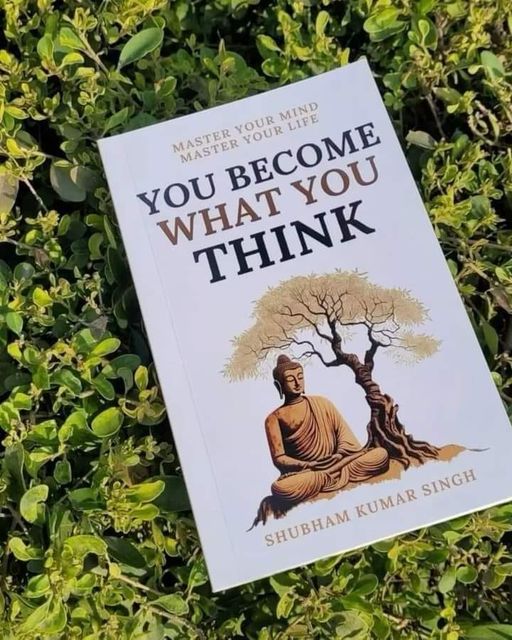
You Become What You Think

 At some point, many of us wake up and wonder: How did my life start feeling this way? Not after one big mistake, but after thousands of small thoughts we never questioned. The quiet self-doubt. The negative inner commentary. The stories we kept repeating until they felt like facts.

You Become What You Think is built around that unsettling but empowering idea: your life is slowly shaped by what you allow to live rent-free in your mind. Shubham Kumar doesn’t approach this as a motivational slogan; he treats it as a daily psychological reality. The book reads like a mirror held up to your thought patterns, asking you to notice how often your mind works against you instead of for you.


Rather than promising overnight transformation, the book focuses on awareness, discipline, and intentional thinking. It blends classic mindset philosophy with mindfulness, emotional intelligence, and practical exercises, reminding readers that change doesn’t begin with drastic action, it begins with attention.

Lessons from You Become What You Think:

1. Your dominant thoughts quietly shape your identity.

The book emphasizes that what you repeatedly think becomes what you repeatedly feel and what you repeatedly feel eventually turns into behavior. Over time, those behaviors solidify into identity. You don’t wake up one day as a confident or defeated person; you practice your way there through thought patterns.

2. Awareness is more powerful than motivation.

Instead of chasing motivation, the author stresses noticing your inner dialogue. Once you become aware of negative self-talk, the subtle assumptions, fears, and limiting beliefs, you gain the power to interrupt them. Change begins not with force, but with observation.

3. A growth mindset changes how you experience failure.

The book highlights how fixed thinking traps people in fear of mistakes, while a growth mindset reframes setbacks as feedback. When you believe growth is possible, failure stops being a verdict and becomes a lesson, one that strengthens resilience instead of eroding confidence.

4. Visualization trains the mind to expect possibility.

Kumar encourages visualization not as fantasy, but as mental conditioning. When you consistently imagine yourself acting with confidence, clarity, and purpose, your brain becomes familiar with those states, making them easier to step into in real life.

5. Thought control must lead to action to be effective.

The book is clear that mindset alone doesn’t change life. Thoughts guide direction, but action creates results. Small, consistent actions aligned with positive thinking are what turn inner shifts into visible progress.

You Become What You Think is a reminder that personal growth isn’t loud or dramatic, it’s subtle, daily, and deeply internal. The book doesn’t shame readers for negative thinking; instead, it gently shows how much power lies in choosing thoughts more carefully.

For anyone feeling stuck, overwhelmed, or unsure why life feels heavier than it should, this book offers a grounded truth: you may not control everything that happens to you, but you do have influence over how your mind responds and that influence matters more than you think.

More to read here:

Wednesday, October 2, 2024

The Power of Full Engagement


 "The Power of Full Engagement: Managing Energy, Not Time, Is the Key to High Performance and Personal Renewal" by Jim Loehr and Tony Schwartz challenges the traditional notion of time management and introduces the concept of managing energy for optimal performance and personal well-being.


In a fast-paced and digitally driven world, Loehr and Schwartz argue that time management alone is no longer sufficient. Instead, they propose that managing and renewing our energy is the key to achieving high performance, health, happiness, and life balance.
 

The book presents a scientifically based approach to managing energy more effectively in both professional and personal domains. It outlines four key sources of energy: physical, emotional, mental, and spiritual, and emphasizes the importance of balancing energy expenditure with intermittent energy renewal.
 

Loehr and Schwartz draw on their extensive experience working with elite athletes and executives to provide practical strategies and a step-by-step program for readers to mobilize their energy, expand their capacity, and create positive energy management rituals.
Readers have praised "The Power of Full Engagement" for its practicality and its ability to provide a fresh perspective on personal and professional performance.

 The book offers valuable insights into the importance of energy management and provides actionable advice for individuals seeking to enhance their performance and well-being.
 

Overall, "The Power of Full Engagement: Managing Energy, Not Time, Is the Key to High Performance and Personal Renewal" offers a transformative approach to achieving high performance and personal renewal. It is recommended for individuals looking to optimize their energy levels, improve their productivity, and find a better balance in their lives

Wednesday, September 25, 2024

The Four Agreements

 Lessons from the book "The Four Agreements" by Don Miguel Ruiz


1. Be impeccable with your word: This agreement emphasizes the importance of using our words wisely and with integrity. We need to understand the power of words and how they can either build or destroy relationships. By always speaking the truth, being kind and not engaging in gossip, we can create a positive, trustworthy reputation for ourselves.


2. Don't take anything personally: This agreement teaches us not to internalize other people's actions, opinions, or criticisms. Everyone sees the world through their own lens, and their judgments are often reflections of their own experiences and beliefs. By not taking things personally, we can avoid unnecessary suffering and maintain emotional balance.
 

3. Don't make assumptions: Assumptions are often inaccurate and can lead to misunderstandings and conflicts. This agreement advises us to communicate and clarify instead of assuming. Asking questions and seeking clarification can prevent unnecessary confusion and drama, leading to healthier and more transparent relationships.
 

4. Always do your best: This agreement emphasizes the importance of giving our best effort in every aspect of life, regardless of the circumstances. Doing our best doesn't mean pushing ourselves to the point of burnout or perfectionism. It means giving our best effort within our limits, accepting that our best may vary from day to day. By doing our best, we can avoid self-judgment and regrets, develop a sense of self-worth, and achieve personal growth.


"The Four Agreements" teaches us the importance of self-awareness, personal responsibility, and conscious communication in cultivating healthier relationships, fostering personal growth, and achieving inner peace. Following these agreements can lead to a more fulfilling and authentic life.

More to read:

Saturday, September 7, 2024

Every Man's Battle

 10 practical lessons you might find in "Every Man's Battle" by Stephen Arterburn and Fred Stoeker:


    1. You Are Not Alone: Sexual temptation is a common struggle, and understanding this can be a source of relief and support.

    2. Identify Your Triggers: Recognize situations, thoughts, or emotions that make you more susceptible to temptation.

    3. Guard Your Eyes and Thoughts: Be mindful of what you consume visually and mentally. Avoid pornography and cultivate healthy alternatives.

    4. Develop Accountability: Share your struggles with a trusted friend, therapist, or accountability partner for encouragement and support.

    5. Build Healthy Boundaries: Set limits on your behavior and interactions to minimize opportunities for temptation.

    6. Nurture Your Spiritual Life: Develop a strong foundation in your faith to provide strength and guidance.

    7. Practice Self-Discipline: Develop habits that promote self-control, like exercise, healthy eating, and getting enough sleep.

    8. Communicate with Your Partner: Open and honest communication with your partner about sexual needs and desires can be crucial.

    9. Address Underlying Issues: Explore if there are deeper emotional problems contributing to your struggles, such as past trauma or low self-esteem.

10. Celebrate Victories: Acknowledge and celebrate your progress, no matter how small, to stay motivated on your journey.

Also read: 

Saturday, August 31, 2024

Think and Grow Rich

 Here are 7 lessons from Think and Grow Rich by Napoleon Hill (Author)


1. Set Definite Goals: Napoleon Hill emphasizes the importance of setting clear, specific goals as the first step toward achieving success. He encourages readers to define their objectives with precision, allowing them to focus their efforts and energy more effectively.

2. Develop a Burning Desire: Hill discusses the significance of cultivating a burning desire for the achievement of one's goals. He suggests that a passionate desire is essential for overcoming challenges and staying motivated during the pursuit of success.

3. Master the Power of Thought: Think and Grow Rich explores the power of thoughts and beliefs in shaping one's reality. Hill encourages readers to cultivate a positive mental attitude, visualize their success, and eliminate self-limiting beliefs to harness the full potential of their minds.

4. Take Persistent Action: Hill stresses the importance of taking consistent, persistent action toward one's goals. He emphasizes that success often requires enduring setbacks and failures, but those who persist in their efforts ultimately achieve their desires.

5. Build a Mastermind Alliance: The book highlights the value of surrounding oneself with a supportive network of like-minded individuals. Hill suggests forming a mastermind group—a collective of individuals who share common goals and offer mutual support, encouragement, and accountability.

6. Utilize the Power of Autosuggestion: Think and Grow Rich introduces the concept of autosuggestion, whereby individuals can influence their subconscious minds through repeated affirmations and suggestions. Hill teaches readers how to harness this power to instill positive beliefs and attitudes conducive to success.

7. Develop Specialized Knowledge: Hill advocates for the acquisition of specialized knowledge in a particular field as a means of achieving success. He encourages readers to continuously educate themselves and acquire expertise in their chosen pursuits, positioning themselves as authorities and leaders in their respective industries.

Also: https://howtomakemoney4000.blogspot.com/2024/01/remember-think-and-grow-rich.html

Wednesday, July 10, 2024

Success Is Not an Accident

 7 powerful lessons from the book Success Is Not an Accident: Change Your Choices; Change Your Life by Tommy Newberry


1. Success is not random. It is the result of intentional choices. We all have the power to choose our own path in life. If we want to be successful, we need to make choices that are aligned with our goals.

2. Our thoughts and beliefs create our reality. What we think about ourselves and about the world around us has a big impact on our success. If we have negative thoughts and beliefs, they will hold us back from achieving our goals. But if we have positive thoughts and beliefs, they will help us to achieve our full potential.

3. We need to have a clear vision for our lives. What do we want to achieve? What kind of life do we want to live? Once we have a clear vision, we can start to make choices that will help us to achieve it.

4. We need to take action. We can't just sit around and wait for success to happen to us. We need to take action towards our goals every day. Even small steps can add up over time and lead to big results.

5. We need to be persistent. Success doesn't happen overnight. It takes time, effort, and perseverance. There will be setbacks along the way, but we need to keep moving forward.

6. We need to surround ourselves with positive people. The people we spend time with have a big impact on our success. We need to surround ourselves with people who support our goals, believe in us, and make us feel good about ourselves.

7. We need to be grateful for what we have. Gratitude is essential for a happy and fulfilling life. When we are grateful for what we have, we are more likely to achieve our goals and experience true success.

Tuesday, July 9, 2024

Don't Believe Everything You Think

 Lessons from the book "Don't Believe Everything You Think" By Joseph Nguyen


1. Recognize the power of your thoughts: The book emphasizes the importance of understanding that our thoughts have a significant impact on our lives. By recognizing the power of our thoughts, we can begin to question and challenge them, ultimately transforming our beliefs and behaviors.

2. Question your assumptions: Nguyen encourages readers to question their assumptions and challenge their automatic thoughts. Often, our beliefs are based on limited information or past experiences, which may not be accurate or applicable in every situation. By questioning our assumptions, we can open ourselves up to new possibilities and perspectives.

3. Develop self-awareness: To overcome limiting beliefs and thoughts, it is crucial to develop self-awareness. By paying attention to our thoughts, emotions, and reactions, we can begin to identify patterns and triggers that may be contributing to negative thought patterns. This self-awareness allows us to make conscious choices about how we think and respond.

4. Practice cognitive reframing: The book teaches techniques for cognitive reframing, which involve challenging and replacing negative thoughts with more positive and rational ones. By reframing our thoughts, we can shift our perspective and generate more empowering beliefs, leading to improved mental well-being.

5. Embrace uncertainty and imperfections: Nguyen emphasizes the need to embrace uncertainty and imperfections in life. By accepting that we cannot control everything and that perfection is unattainable, we can free ourselves from the pressure of constantly striving for an ideal. This acceptance allows for greater self-compassion and a healthier mindset.

6. Cultivate a growth mindset: The book encourages readers to adopt a growth mindset, which involves viewing challenges and setbacks as opportunities for growth and learning. By reframing failure as a stepping stone to success and embracing a mindset of continuous improvement, we can overcome self-limiting beliefs and achieve greater personal and professional development.

7. Practice mindfulness and meditation: Nguyen highlights the benefits of mindfulness and meditation in cultivating a more balanced and peaceful mind. These practices promote present-moment awareness, reduce stress and anxiety, and enable us to observe our thoughts without getting caught up in them. Regular mindfulness and meditation practice can help create a greater sense of inner calm and improve mental clarity.

8. Seek support and feedback: The book recognizes the importance of seeking support from trusted individuals, such as friends, family, or professionals, to gain different perspectives and challenge our thoughts. Opening up to others allows us to receive feedback, gain new insights, and break free from cognitive distortions or biases.

9. Take action: Ultimately, the book emphasizes the importance of taking action to change our thoughts and beliefs. Simply recognizing and understanding our thought patterns is not enough; we need to actively challenge and reshape them through consistent practice and effort.

10. Emphasize self-compassion: Throughout the book, Nguyen highlights the importance of self-compassion. Rather than judging or criticizing ourselves for our thoughts or past actions, practicing self-compassion involves being kind and forgiving toward ourselves. By cultivating self-compassion, we can create a nurturing and supportive inner dialogue, fostering overall well-being and resilience.

Sunday, May 5, 2024

The Mind That Changes Everything

 10 Lessons from "The Mind That Changes Everything" by Ian Gawler:


1. The Power of the Mind: The book emphasizes the brain's neuroplasticity, highlighting its ability to change and adapt throughout life. Your thoughts and experiences shape your brain's structure and function, empowering you to influence your reality.

2. Cultivating Awareness: Develop mindfulness practices like meditation and introspection to become aware of your thoughts, emotions, and limiting beliefs. This awareness is the first step towards positive change.

3. The Law of Attraction: The book explores the concept of the Law of Attraction, suggesting that your thoughts and beliefs attract corresponding experiences. By focusing on positive intentions and desires, you can cultivate a more fulfilling reality.

4. Reframing Your Thoughts: Challenge negative thought patterns and limiting beliefs. Reframe them into empowering affirmations that support your goals and well-being. This shift in perspective can significantly impact your emotions and actions.

5. The Power of Visualization: Utilize visualization techniques to create a clear mental image of your desired outcomes. Regularly engaging in visualization can program your subconscious mind and support the manifestation of your goals.

6. Embracing Gratitude: Cultivate an attitude of gratitude for the blessings in your life, both big and small. Appreciation fosters positive emotions, attracts abundance, and enhances your overall well-being.

7. The Importance of Forgiveness: Forgive yourself and others for past hurts and resentments. Holding onto negativity hinders your ability to move forward and experience peace. Forgiveness liberates you from emotional baggage and allows for positive growth.

8. The Power of Positive Emotions: Cultivate positive emotions like joy, love, and gratitude. These emotions have a powerful impact on your mental and physical health, attracting positive experiences and opportunities.

9. Taking Action: While positive thoughts and intentions are crucial, consistent action is essential for manifesting your desires. Align your actions with your goals and take concrete steps towards your dreams.

10. Living with Purpose: Discover your life purpose and align your thoughts, actions, and decisions with it. Living with purpose brings a sense of fulfillment, direction, and motivation to your life.

Monday, April 15, 2024

The Secrets of Mind Power

 "The Secrets of Mind Power: The Secret of Success and Other Essential Works" by William Walker Atkinson offers profound insights into the power of the mind and its role in achieving success and fulfillment in life. 

Here are 10 valuable lessons from the book:


1.    Harnessing the Power of Thought: Atkinson explores the transformative power of thoughts and beliefs in shaping our reality. The book teaches readers how to harness the creative power of their minds to manifest their desires and achieve their goals.

2.    Understanding the Law of Attraction: Atkinson delves into the principles of the Law of Attraction and how they govern the relationship between thoughts, beliefs, and outcomes. The book offers practical techniques for aligning one's thoughts and intentions with their desires to attract positive outcomes.

3.    Mastering Visualization and Affirmation: Visualization and affirmation are powerful tools for reprogramming the subconscious mind and manifesting success. The book provides guidance on how to effectively visualize and affirm one's goals to accelerate their realization.

4.    Developing Mental Discipline and Focus: Mental discipline and focus are essential for achieving success in any endeavor. Atkinson offers strategies for developing mental discipline, overcoming distractions, and staying focused on one's goals and priorities.

5.    Unlocking the Subconscious Mind: The subconscious mind plays a crucial role in shaping our beliefs, habits, and behaviors. The book explores techniques for accessing and reprogramming the subconscious mind to remove limiting beliefs and unlock one's full potential.

6.    Cultivating Positive Mindset and Attitude: A positive mindset and attitude are key drivers of success and happiness. Atkinson teaches readers how to cultivate a positive mindset, overcome negativity, and maintain an optimistic outlook even in challenging circumstances.

7.    Embracing Personal Responsibility: The book emphasizes the importance of taking personal responsibility for one's thoughts, beliefs, and actions. By accepting responsibility for their lives, readers empower themselves to create the reality they desire and achieve their highest potential.

8.    Practicing Mindfulness and Presence: Mindfulness and presence are essential for living authentically and aligning with one's true purpose. Atkinson explores techniques for cultivating mindfulness and presence, allowing readers to fully engage with the present moment and experience greater peace and fulfillment.

9.    Embracing the Journey of Self-Discovery: Self-discovery is a lifelong journey of exploration and growth. The book encourages readers to embrace this journey, cultivate self-awareness, and uncover their deepest desires, passions, and values.

10.    Living a Life of Purpose and Meaning: Ultimately, "The Secrets of Mind Power" guides readers on a path to living a life of purpose, meaning, and fulfillment. By mastering the secrets of mind power, readers can unlock their true potential and create the life they truly desire.

"The Secrets of Mind Power" offers timeless wisdom and practical guidance for harnessing the power of the mind to achieve success and fulfillment in life. Whether you're seeking to overcome obstacles, manifest your dreams, or unlock your full potential, this book provides invaluable insights and techniques to help you along your journey. 

By reading this book and applying its teachings, you'll discover the extraordinary power of your own mind and embark on a path to greater happiness, success, and personal transformation.

Wednesday, March 27, 2024

You Become What You Think

 Here are 8 key lessons you can glean from Shubham Kumar Singh's book "You Become What You Think":


1. Your Thoughts Are Your Architects: The book emphasizes that your thoughts are the building blocks of your life. Positive thoughts and beliefs in yourself create a strong foundation, while negativity weakens your potential. You have the power to choose your thoughts and be the architect of your reality.
 

2. The Power of Mindfulness: Being mindful involves cultivating awareness of your thoughts and emotions without judgment. This allows you to identify negative thought patterns and consciously choose more empowering ones.
 

3. Action Fuels Thought: Positive thinking is a great start, but it's not enough. The book stresses the importance of taking action to bridge the gap between your dreams and reality. Set goals, take concrete steps, and persevere through challenges.
 

4. Reframe the Narrative: We often tell ourselves limiting stories about who we are and what we can achieve. The book encourages you to identify and challenge these negative narratives. Reframing your inner story with empowering beliefs can rewrite your destiny.
 

5. Gratitude Unlocks Abundance: Focusing on what you lack creates a feeling of scarcity. The book suggests cultivating gratitude for the good things in your life, big and small. Appreciation opens you up to receive more abundance in all forms.
 

6. The Power of Forgiveness: Holding onto resentment and past hurts only weighs you down. The book advocates for forgiveness, not necessarily for others, but for yourself. Let go of negativity and move forward with a lighter heart.
 

7. Invest in Relationships: Strong social connections are essential for well-being. The book highlights the importance of nurturing positive relationships with loved ones, friends, and mentors. These connections provide support, encouragement, and a sense of belonging.
 

8. Embrace Continuous Learning: Never stop learning and growing. The book emphasizes the importance of constantly seeking knowledge, expanding your horizons, and challenging yourself mentally. This keeps your mind sharp and opens doors to new possibilities.

Monday, February 12, 2024

Make Today Count

 "Make Today Count" is a self-help book written by John C. Maxwell, offering insights and strategies for making the most of each day. 


Here are five lessons that can be learned from the book:


1. Embrace the power of mindset: The book emphasizes the importance of adopting a positive and proactive mindset. It encourages readers to focus on what they can control and to approach each day with optimism and intention.


2. Set meaningful goals: Setting clear and meaningful goals is crucial for making the most of each day. The book encourages readers to identify their priorities and create actionable goals that align with their values and aspirations.


3. Take ownership of your time: Time is a limited resource, and how we choose to spend it determines our level of productivity and fulfillment. "Make Today Count" emphasizes the need to take ownership of our time, eliminate time-wasting activities, and prioritize tasks that align with our goals.


4. Cultivate self-discipline: Developing self-discipline is essential for achieving long-term success. The book provides strategies for building self-discipline, such as creating daily routines, managing distractions, and staying focused on the tasks at hand.


5. Practice gratitude and reflection: The book highlights the importance of gratitude and reflection in our daily lives. It encourages readers to take time each day to express gratitude for what they have and to reflect on their experiences, lessons learned, and areas for improvement.

Saturday, February 10, 2024

The Game of Life and How to Play It

     1. Power of Positive Thinking: The book emphasizes the transformative power of positive thinking and affirmations. One of the key lessons is to cultivate a positive mindset and consciously direct thoughts and beliefs towards success, abundance, and well-being.


    2. Law of Attraction: "Game of Life and How to Play It" teaches the principles of the law of attraction, highlighting the idea that thoughts and emotions attract corresponding experiences. Understanding this law encourages individuals to align their thoughts and feelings with their desired outcomes.


    3. Faith and Trust:
The book underscores the importance of having unwavering faith and trust in the universe or a higher power. By releasing worries and doubts and placing trust in divine guidance, individuals can navigate life's challenges with confidence.


    4. Words as Creative Tools: A key lesson from the book is the idea that words have creative power. Conscious speaking and affirming positive statements can help shape one's reality and influence the outcomes of various situations.


    5. Letting Go of Fear: "Game of Life and How to Play It" emphasizes the need to release fear and embrace courage. By letting go of fears and insecurities, individuals can open themselves up to new possibilities and experiences.


    6. Living in Alignment:
The book encourages living in alignment with one's true purpose and desires. By identifying and pursuing activities that bring joy and fulfillment, individuals can lead a more authentic and purpose-driven life.


 7. Gratitude and Generosity: The book promotes the practice of gratitude and generosity. Expressing gratitude for current blessings and sharing abundance with others fosters a positive and abundant mindset.


Thursday, February 8, 2024

Young Wealthy and Wise

 7 Powerful lessons from Young Wealthy and Wise: A Blueprint for success in your 20s" by Charles Ward
 

1. Financial Literacy: Invest time in mastering financial literacy; understanding budgeting, saving, and investing lays the groundwork for long-term wealth accumulation and financial security, setting a solid foundation for your future.


2. Strategic Networking:
This book teaches us to cultivate meaningful connections; networking opens doors to opportunities, mentorship, and collaborations, accelerating personal and professional growth while fostering a supportive community.


3. Continuous Learning: Embrace a growth mindset; prioritize continuous learning and skill development, whether through formal education, online courses, or self-directed study, ensuring relevance and adaptability in a rapidly evolving world.


4. Risk-Taking:
Embrace calculated risks; entrepreneurship, investing, and career advancement often require stepping outside comfort zones, but calculated risks yield invaluable experiences, lessons, and potential rewards.


5. Time Management: Master time management; efficient allocation of time maximizes productivity and effectiveness, allowing pursuit of multiple interests and goals without sacrificing quality or balance in personal and professional life.


6. Resilience and Adaptability:
Cultivate resilience and adaptability; setbacks and challenges are inevitable, but resilience enables bouncing back stronger, while adaptability fosters agility and innovation in navigating dynamic environments and seizing opportunities.


7. Balance and Well-being: Prioritize holistic well-being; balance physical health, mental wellness, and emotional fulfillment amidst the pursuit of success, ensuring sustainable happiness and fulfillment throughout your journey in your 20s and beyond.


"Young Wealthy and Wise" offers a strategic roadmap for navigating one's twenties, combining financial acumen, wisdom, and ambition. From financial literacy to personal development, it guides readers towards early success. With insights on investments, career strategies, and life skills, it empowers young adults to thrive in both personal and professional domains.

Sunday, February 4, 2024

How We Change

 Here are  7 Lessons on How We Change by Ross EllenHorn


Lesson 1: Acknowledge the Need for Change The first step in the process of change is recognizing that there is a need for it. This requires self-awareness and an honest assessment of our current situation. Embrace the idea that change is necessary for personal growth and development.


Lesson 2: Embrace Discomfort Change often involves stepping outside of our comfort zones. Embrace discomfort as a sign of growth and progress. Recognize that meaningful change requires courage and a willingness to embrace new challenges and experiences.


Lesson 3: Set Clear Goals To navigate change effectively, it is essential to set clear goals. Define what you want to achieve and create a roadmap for your transformation. Setting specific, measurable, achievable, relevant, and time-bound (SMART) goals provides direction and motivation.


Lesson 4: Take Small Steps Change can be overwhelming, but taking small steps towards your goals can make the process more manageable. Break down your goals into smaller, achievable tasks. Celebrate each step forward, as even small progress is significant in the journey of change.


Lesson 5: Cultivate Resilience Change often comes with obstacles and setbacks. Cultivate resilience by developing a positive mindset and learning from failures. Embrace challenges as opportunities for growth and view setbacks as temporary setbacks rather than permanent failures.


Lesson 6:
Seek Support and Accountability Change can be challenging to navigate alone. Seek support from trusted friends, family members, or professionals who can provide guidance, encouragement, and accountability. Surrounding yourself with a supportive network can help you stay motivated and resilient during times of change.


Lesson 7: Embrace Continuous Learning Change is a lifelong process, and personal growth requires a commitment to continuous learning. Embrace a growth mindset, be open to new ideas, and seek opportunities to expand your knowledge and skills. Embracing a love for learning allows for ongoing personal transformation.

book how we change

Thank your for visiting. Hope you enjoy your book.


Tuesday, January 30, 2024

What to Do with Your Money When Crisis Hits

 10 important lessons from the book "What to Do with Your Money When Crisis Hits" by Michelle Singletary.

"What to Do With Your Money When Crisis Hits" is a book that provides guidance on managing your finances during challenging times. Here are ten important lessons from the book.

1. Create an emergency fund: The book emphasizes the importance of having an emergency fund to cover unexpected expenses during a crisis. Aim to save three to six months' worth of living expenses.

2. Reduce unnecessary expenses: Cutting back on non-essential expenses helps conserve your financial resources during a crisis. Evaluate your spending habits and identify areas where you can make adjustments.

3. Focus on essential needs: Prioritize spending on essential needs such as food, shelter, and healthcare. Allocate your resources wisely to cover these critical areas first.

4. Avoid impulsive financial decisions: During a crisis, emotions can run high, leading to hasty financial decisions. The book advises taking a step back, evaluating the situation objectively, and making informed choices.

5. Stay informed and adapt: Stay updated on the current economic climate and adapt your financial strategies accordingly. Understanding market trends and potential risks can help protect your finances.

6. Seek professional advice: Consider consulting with a financial advisor who can provide personalized guidance based on your unique circumstances. They can help you navigate through financial challenges more effectively.

7. Diversify your investments:
The book recommends diversifying your investment portfolio to mitigate risk. Spreading your investments across different asset classes can help protect your wealth during turbulent times.

8. Focus on long-term goals: Stay focused on your long-term financial goals and avoid making knee-jerk reactions based on short-term fluctuations. Maintain a perspective that extends beyond the immediate crisis.

9. Explore additional income sources: Consider seeking additional sources of income to bolster your financial stability. This could involve freelance work, part-time jobs, or starting a small business.

10. Stay positive and resilient: Maintaining a positive mindset and remaining resilient during challenging times is crucial. The book emphasizes the importance of adapting, learning from setbacks, and staying motivated to overcome financial difficulties.


These lessons from "What to Do With Your Money When Crisis Hits" can help you navigate financial challenges, build resilience, and make informed decisions to safeguard your financial well-being during times of crisis.

The Energy of Money

 Top 7 important lessons from.the book "The Energy of Money" by Maria Meneth PhD

Lesson 1: Money is an energy, not just a resource.
Money is not just a physical object or a means of exchange; it’s a form of energy that carries vibrations and emotions. The way you think, feel, and act about money influences the energy of your finances.

Lesson 2: Your thoughts and beliefs about money shape your financial reality.
Your subconscious beliefs about money, whether positive or negative, play a significant role in attracting or repelling financial abundance. If you believe that money is scarce or difficult to obtain, you’re likely to manifest those beliefs in your financial experiences.

Lesson 3: Money flows towards positive energy and away from negative energy.
Positive emotions like gratitude, abundance thinking, and appreciation attract more positive financial experiences. Conversely, negative emotions like fear, scarcity thinking, and resentment repel financial abundance.

Lesson 4:
Money has a magnetic quality.
Your energy attracts money that matches its vibration. If you exude positive energy around money, you’re more likely to attract financial abundance. Conversely, if you radiate negative energy, you’ll repel financial opportunities.

Lesson 5: Money wants to circulate and be used.
Money is not meant to be hoarded or held onto tightly. It’s meant to circulate and flow through the economy. Spend your money consciously, invest wisely, and donate to causes you care about to keep the energy of money flowing freely.

Lesson 6: Money is a tool for personal growth and contribution.
Money is not just a means to an end; it’s a tool for personal growth and contribution. Use your financial resources to invest in yourself, help others, and make a positive impact on the world.

Lesson 7: Align your actions with your financial goals.
Your actions should align with your desire to attract financial abundance. Practice positive financial habits, make informed financial decisions, and surround yourself with supportive and inspiring individuals to manifest your financial goals.


Have a beautiful day and Thanks for stopping by. 

9 habits of financially successful people

  More to read: https://howtomakemoney4000.blogspot.com/2024/03/five-doors-of-success.html https://howtomakemoney4000.blogspot.com/2024/06/t...