Search

Saturday, August 3, 2024

Train Your Mind to Be Successful

Here are 7 lessons from Train Your Mind to Be Successful: Attract and get anything you want in life by Sayra Montes (Author)


1. Harness the Power of Visualization: Sayra Montes likely emphasizes the importance of visualization in achieving success. The book may encourage readers to vividly imagine their goals and desires as already accomplished, thereby programming the subconscious mind to work towards manifesting those outcomes.

2. Practice Positive Affirmations: Train Your Mind To Be Successful probably advocates for the use of positive affirmations to rewire negative thought patterns and instill a mindset of success. Montes may provide readers with specific affirmations tailored to their goals and aspirations.

3. Cultivate Self-Confidence: The book likely focuses on building self-confidence as a key factor in achieving success. Montes may offer strategies for overcoming self-doubt and limiting beliefs, empowering readers to trust in their abilities and pursue their goals with conviction.

4. Set Clear and Achievable Goals: Train Your Mind To Be Successful probably emphasizes the importance of setting specific, measurable, achievable, relevant, and time-bound (SMART) goals. Montes may guide readers in defining their goals with clarity and precision, enabling them to create actionable plans for success.

5. Practice Gratitude and Positivity: The book may advocate for cultivating an attitude of gratitude and positivity as essential components of a success mindset. Montes may encourage readers to focus on the blessings and opportunities in their lives, fostering a mindset of abundance and possibility.

6. Embrace Resilience and Perseverance: Train Your Mind To Be Successful likely highlights the importance of resilience and perseverance in the face of challenges and setbacks. Montes may offer strategies for overcoming obstacles, bouncing back from failure, and staying committed to long-term goals.

7. Take Inspired Action: Lastly, the book may emphasize the importance of taking inspired action towards one's goals. Montes may encourage readers to step out of their comfort zones, seize opportunities, and follow their intuition in pursuit of their dreams and aspirations.

Friday, August 2, 2024

How to Win Friends and Influence People

How to Win Friends and Influence People by Dale Carnegie is like a guide to help you make better friends and communicate well.


Here are some important things you can learn from it:

1. Be really interested: The book says it's good to truly care about others. Listen to them, ask questions, and try to see things from their point of view. This can help you make stronger friendships.
2. Say thank you: Carnegie talks about how saying nice things about others and thanking them can make them feel important and happy. This makes your relationships better and can make people want to do more.
3. No need for blame: The book tells us that blaming and criticizing others isn't a good way to get them to listen to you. Instead, be understanding and kind. If you want to say something not so nice, say it in a nice way.
4. Listen well: The book teaches us that it's important to really pay attention when others talk. Be kind and let them share their thoughts. This makes them trust you more.
5. Find common ground: Instead of arguing, try to understand why others think differently. When you understand them, you can talk about your ideas in a friendly way and they might agree with you.
6. Smile and be nice: The book shows how a real smile and a positive attitude can make people comfortable around you. Also, saying thank you makes relationships even better.
These lessons from 'How to Win Friends and Influence People' can help you make good relationships, talk better, and make people like you. If you follow these ideas, you can have better friendships and work relationships."

Thursday, August 1, 2024

Designing Your Life

 Lessons from the book "Designing Your Life: How to Build a Well-Lived, Joyful Life" by Bill Burnett and Dave Evans


1. Embrace curiosity and exploration: The book emphasizes the importance of adopting a growth mindset and being open to exploring new possibilities. Instead of sticking to a fixed path, allow yourself to be curious about various options and pursue activities that ignite your passion and curiosity.
 

2. Design your way forward: Rather than passively accepting whatever life throws at you, the authors suggest taking a proactive approach to designing your life. Apply design thinking principles, such as reframing problems, ideating potential solutions, and prototyping different options, to create a well-lived and joyful life.


3. Prototype and experiment: The authors emphasize the value of prototyping small and low-risk experiments to test out potential ideas and directions. By trying out different possibilities in a safe and iterative way, you can gain valuable insights and adjust your course accordingly.
 

4. Focus on building life portfolios: The book encourages readers to think of their lives as portfolios rather than linear career paths. Rather than putting all your eggs in one basket, diversify and invest your time and energy in multiple areas of life, such as work, relationships, health, and personal development.
 

5. Use curiosity to fuel your way: Foster a sense of curiosity in your life, and use it as a driving force to navigate through various challenges and uncertainties. Cultivate a mindset of constant learning, seeking out new experiences, and embracing the unknown.
 

6. Reframe problems as opportunities: Instead of getting stuck in a cycle of problem-solving, the authors suggest reframing challenges and setbacks as opportunities for growth. By actively seeking out the positive aspects of difficult situations, you can extract valuable insights and leverage them to design a more fulfilling life.
 

7. Prioritize well-being and self-care: In the pursuit of a well-lived and joyful life, it's crucial to prioritize your well-being. The book emphasizes the importance of taking care of yourself mentally, physically, and emotionally. Prioritize self-care activities, establish healthy boundaries, and make choices that align with your overall well-being.
 

8. Cultivate a supportive community: Surround yourself with like-minded individuals who can provide support, guidance, and accountability. Building a community of people who share your values and aspirations can greatly enhance your personal and professional growth.
 

9. Embrace failure and iterate: Rather than fearing failure, the authors encourage embracing it as an opportunity for learning and growth. Use failures and setbacks as feedback to iterate and improve your life design. Embrace a mindset that views failures as stepping stones towards success.
 

10. Stay true to yourself: Ultimately, the book emphasizes the importance of living an authentic life. It encourages readers to consider their own values, passions, and unique strengths while designing their lives. By staying true to yourself and aligning your life choices with your core values, you can create a well-lived and joyful life that is true to who you are.

How to Begin

 Here are 7 lessons from How to Begin: Start Doing Something That Matters by Michael Bungay Stanier:


1: Clarify your purpose In "How to Begin: Start Doing Something That Matters," Michael Bungay Stanier emphasizes the importance of clarifying your purpose before taking action. Understanding why you want to start something and how it aligns with your values and goals provides a solid foundation for meaningful and impactful work.
 

 2: Start small and build momentum: Stanier suggests starting with small, manageable steps rather than overwhelming yourself with a grand plan. By taking small actions consistently, you build momentum and create a habit of progress. This approach helps you overcome inertia and keeps you motivated to continue moving forward.
 

 3: Embrace failure as a learning opportunity: Failure is an inevitable part of any journey, but Stanier encourages readers to see it as an opportunity for growth and learning. Instead of being discouraged by setbacks, use them as valuable lessons to refine your approach, adjust your strategy, and improve your future actions.
 

4: Seek support and accountability: Having a support system and accountability partners can significantly increase your chances of success. Stanier suggests finding like-minded individuals who can provide encouragement, guidance, and constructive feedback. This support helps you stay focused, motivated, and accountable to your goals.
 

 5: Prioritize self-care and manage energy: To sustain your efforts in starting something that matters, it's crucial to prioritize self-care and manage your energy effectively. Stanier emphasizes the importance of taking breaks, practicing self-compassion, and engaging in activities that replenish your energy levels. By maintaining a healthy work-life balance, you can avoid burnout and maintain long-term momentum.
 

 6: Embrace uncertainty and take calculated risks: Starting something meaningful often involves stepping outside your comfort zone and embracing uncertainty. Stanier encourages readers to take calculated risks and see the unknown as an opportunity for growth and discovery. By pushing boundaries and embracing ambiguity, you open yourself up to new possibilities and potential breakthroughs.
 

 7: Celebrate progress and acknowledge achievements: Throughout your journey of starting something that matters, it's essential to celebrate progress and acknowledge your achievements, no matter how small. Stanier emphasizes the importance of recognizing milestones and using them as fuel to keep moving forward. By celebrating your progress, you reinforce positive habits and boost your motivation to continue making a difference.

Wednesday, July 31, 2024

Mindset

 Here are ten practical lessons from the book "Mindset: The New Psychology of Success" by Carol Dweck:


1. Understand the Two Mindsets: Recognize the difference between a fixed mindset, which sees abilities as static, and a growth mindset, which views abilities as qualities that can be developed through dedication and effort .

2. Embrace Challenges: Cultivate a growth mindset by seeing challenges as opportunities to learn and grow rather than as threats to your intelligence or talent .

3. Persist in the Face of Setbacks: Learn to view setbacks as part of the learning process. Persistence and resilience are key to developing a growth mindset and achieving success .

4. Effort Leads to Mastery: Understand that effort is a path to mastery and improvement. Praising effort rather than innate intelligence encourages the development of a growth mindset .

5. Learn from Criticism: Use constructive criticism as a tool for learning and self-improvement. A growth mindset involves being open to feedback and willing to make necessary changes .

6. Be Inspired by the Success of Others: Instead of feeling threatened by others' success, let it inspire you. People with a growth mindset find motivation in the achievements of others .

7. Redefine Failure: Shift your perspective on failure. Instead of seeing it as a negative endpoint, view it as an opportunity for growth and a stepping stone to success .

8. Encourage Self-Reflection: Reflect on your own experiences with a growth mindset. Identify areas where you already apply this mindset and areas where you can improve .

9. Value the Process Over the Outcome: Focus on the process of learning and growing rather than solely on the outcome. This approach encourages continuous improvement and a love for learning .

10. Adopt Practical Strategies: Implement strategies such as setting realistic goals, embracing challenges, learning from setbacks, and developing a supportive network to cultivate a growth mindset .

Tuesday, July 30, 2024

Speed Reading

 7 powerful lessons from the book "Speed Reading: Learn to Read a 200+ Page Book in 1 Hour"


1. Train Your Eyes: Most people read by fixating their eyes on each word individually. Speed reading techniques involve training your eyes to move smoothly across lines of text, taking in multiple words at a time. Exercises like saccadic eye movements and rapid serial visual presentation (RSVP) can help achieve this.

2. Eliminate Subvocalization: When you read, you often "hear" the words in your head, which slows down your reading speed. Subvocalization can be reduced by focusing on the meaning of the text instead of the individual sounds of the words.

3. Expand Your Visual Field: By increasing your peripheral vision, you can take in more words per glance, improving your reading speed. Techniques like using a pointer or focusing on a specific point beyond the line of text can help expand your visual field.

4. Improve Concentration: Distractions can significantly hinder your reading speed and comprehension. The book might offer strategies for improving concentration, such as finding a quiet environment, minimizing interruptions, and practicing mindfulness techniques.

5. Actively Engage with the Text: Reading isn't just about passively absorbing information. Speed reading techniques often involve actively engaging with the text, such as asking questions, summarizing key points, and making connections to prior knowledge.

6. Use Reading Tools: Technology can be a powerful tool for speeding up your reading. The book might recommend using text-to-speech software, audiobooks, or specialized speed-reading apps to enhance your reading experience.

7. Practice Consistently: Like any skill, improving your reading speed takes time and effort. The book will likely emphasize the importance of practicing speed reading techniques regularly to see sustained improvements. ****

How to Stay poor

Today´s post is about How to stay poor. Perhaps you never thought about it with this angle but how about it.


1. PRIORITIZE SLEEPING  

Never wake up early. Stay in bed as long as possible, stretching and turning until hunger forces you to get up. If there are no bed bugs, why hurry?

2. PRIORITIZE SPENDING  

Never plan on investments. Spend money as soon as you get it. When it's gone, try to recall how it disappeared.

3. AVOID SAVING  

Don’t save until you have a huge amount of money. How can you save when you earn so little? Those who advise saving don't understand your very important expenses.

4. PRIORITIZE YOUR PRIDE  

Avoid activities deemed "uneducated" or "low class" like selling or small businesses. As a graduate, professional, or someone from a well-known family, engaging in such affairs is a huge insult to your standards and status.

5. WAIT FOR MIRACLES  

Wait for an angel to deliver a bag full of money for your capital. It’s impossible to start any business without millions. Sure, some businesses began with little capital, but you know success is 100% guaranteed if you start big. 


6. COMPLAIN ENDLESSLY  

Complain about everything except your own attitude and mindset. Blame your poverty on your parents, the system, the government, and the banks that refused to lend you money. They are all bad and do not want you to get rich.

7. OVERSPEND  

Always spend more than you earn. Buy products on credit and keep borrowing from friends and employers to maintain your lifestyle.

8. DRESS TO IMPRESS  

Make sure you look rich so others will be intimidated by your presence. Win your secret showing-off competition. Whenever your neighbor buys a new phone, make sure you get a more expensive one.

9. PRIORITIZE CAR  

Purchase a car that costs more than three times your annual salary. It’s an essential status symbol. Don’t worry if you don’t have a house or a place to park it. In fact, don’t prioritize buying your own house because you can’t use it to impress people like you can with a car.

10. SPOIL YOUR CHILDREN  

Give your children everything they ask for to show your love and prove you’re the best parent. They shouldn’t struggle for anything. It doesn’t matter if they grow up lazy and entitled. What’s important is that you give them the best so they don’t suffer, unlike those cruel parents who, despite their means, choose to let their children struggle.

11. FOCUS ON ENTERTAINMENT  

Devote your time, energy, and resources to watching your favorite sports or playing computer games. It doesn’t matter if you’re not productive. What’s important is that you enjoy life to the fullest. A time spent on enjoyment is never wasted.

12. PRIORITIZE VICES  

Indulge in your favorite vices. Whether it's smoking, drinking, or gambling, make these your top priorities. Enjoy drinking with friends and embrace the image of being a smoker or gambler. Fully commit to these habits, regardless of their impact on your well-being or finances.


Monday, July 29, 2024

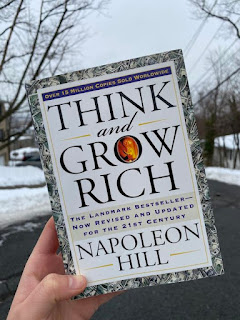
Defining Specialized Knowledge according to Think and Grow rich

 Napoleon Hill, in his seminal work Think and Grow Rich, defines specialized knowledge as a form of knowledge that is more specific and targeted than general knowledge. According to Hill, specialized knowledge is the kind of information and expertise that is directly relevant to a particular field or industry and can be used to achieve specific goals or solve particular problems.

Hill emphasizes that while general knowledge is useful, it is the specialized knowledge that truly drives success, especially in business and personal development. This kind of knowledge often comes from formal education, professional experience, or specific research and training. It allows individuals to distinguish themselves in their chosen fields and leverage their expertise to create value, innovate, and advance their careers.


Napoleon Hill's concept of specialized knowledge is integral to his philosophy on achieving success and wealth. Here’s a deeper look into what Hill meant by specialized knowledge:

1. Nature of Specialized Knowledge

Specificity: Specialized knowledge refers to detailed, in-depth understanding in a particular area. Unlike general knowledge, which covers broad subjects, specialized knowledge zeroes in on niche topics.

Relevance: This knowledge is often directly applicable to solving specific problems or performing certain tasks. It can be technical, practical, or highly specific to a particular industry or profession.

2. Acquisition and Application

Education and Training: Specialized knowledge is usually acquired through formal education, vocational training, or hands-on experience. It’s the result of focused learning and practice in a particular field.

Continuous Learning: Hill advocates for ongoing learning and improvement in your area of specialization. The field of expertise is always evolving, and staying updated is crucial.

3. Importance in Success

Competitive Edge: Specialized knowledge can set you apart from others. It provides you with unique skills and insights that are not easily replicated by others, offering a competitive advantage.

Value Creation: By leveraging specialized knowledge, you can create more value in your work or business. This expertise can lead to innovations, improved efficiency, and solutions that others might not be able to provide.

4. Combining Knowledge

Collaboration: Hill also highlights the importance of combining specialized knowledge with the expertise of others. Successful individuals often build teams or networks of people with complementary skills and knowledge.

Application Beyond the Field: Specialized knowledge can be applied in various contexts, not just within your own field. For instance, a deep understanding of technology can be useful in multiple industries, from finance to healthcare.

5. Practical Examples

Professionals and Entrepreneurs: For a lawyer, specialized knowledge might include an expertise in intellectual property law. For an entrepreneur, it could be a deep understanding of a specific market or industry trend.

Innovators and Leaders: Many innovators, such as Steve Jobs in technology or Elon Musk in space exploration and electric vehicles, have used their specialized knowledge to drive significant advances in their fields.

Related Vid:


In essence, Napoleon Hill’s concept of specialized knowledge underscores the importance of focusing your learning and expertise in a specific area to achieve success. It’s not just about having knowledge, but about applying it effectively to create opportunities and solve problems.

How Rich People Think

 10 practical lessons inspired by Steve Siebold's book "How Rich People Think":


    1. Change your mindset: Rich people believe they control their financial destiny and are proactive in creating wealth. They view challenges as opportunities and setbacks as temporary.

    2. Set big goals: Don't be afraid to dream audaciously. Rich people set ambitious financial goals and develop a plan to achieve them.

    3. Never stop learning: Invest in yourself through education and self-improvement. Continuously develop new skills and knowledge that can increase your earning potential.

    4. Take calculated risks: Don't be afraid to step outside your comfort zone and take calculated risks. Weigh the potential rewards against the risks before making a decision.

    5. Become action-oriented: Ideas are worthless without execution. Rich people are decisive and take action towards their goals.

    6. Focus on providing value: Wealth is built by creating value for others. Strive to provide excellent service or products that solve people's problems.

    7. Build multiple income streams: Don't rely on a single source of income. Rich people explore ways to generate revenue from multiple sources, such as investments or side hustles.

    8. Manage your time effectively: Time is a valuable resource. Rich people prioritize tasks and avoid time-wasting activities.

    9. Embrace change and adapt: The world is constantly changing. Be open to new ideas and willing to adapt your strategies to stay ahead.

10. Live below your means: Avoid lifestyle inflation. Just because your income increases doesn't mean you need to spend more. Live frugally and invest your savings to build wealth over time.

Sunday, July 28, 2024

The Millionaire Next Door

 "Wealth is more often the result of a lifestyle of hard work, perseverance, planning, and, most of all, self-discipline."


7 Lessons from The Millionaire Next Door by Cotter Smith, Thomas J. Stanley Ph.D., et al.:

1. Live Below Your Means

This is the cornerstone of wealth accumulation. Many millionaires live modestly, even frugally, despite their financial success. They prioritize saving and investing over immediate gratification. By spending less than you earn and consistently saving, you can accelerate wealth building.

2. Income is Not Equal to Wealth

A high income doesn't automatically translate to wealth. It's about what you do with the money you earn. Millionaires often focus on increasing their net worth through investments and savings, rather than simply increasing their income.

3. Net Worth is the True Measure of Wealth

Net worth, which is your assets minus your liabilities, provides a more accurate picture of your financial health than income alone. Focus on building assets like real estate, stocks, and businesses, while minimizing debt.

4. Avoid Lifestyle Inflation

As your income grows, resist the temptation to increase your spending proportionately. Maintain a frugal lifestyle, reinvesting extra income into assets that generate wealth. This helps you accelerate wealth accumulation.

5. The Importance of Saving and Investing

Consistent saving and investing are crucial for building wealth. Millionaires often have a disciplined approach to saving, automatically transferring a portion of their income into investment accounts. Diversifying your investments across different asset classes can help manage risk.

6. Focus on Building Assets, Not Liabilities

While it's essential to have some liabilities (like a mortgage), it's crucial to focus on building assets that generate income or appreciate in value. This includes real estate, stocks, bonds, and businesses.

7. The Millionaire Mindset

Millionaires often share common characteristics beyond financial habits. They tend to be disciplined, patient, and focused on long-term goals. They are also often self-employed or business owners, demonstrating a strong entrepreneurial spirit. Cultivating a millionaire mindset involves adopting these traits and aligning your actions with your financial goals.

By understanding and applying these principles, you can take significant steps toward building wealth and achieving financial independence.


More to read:

Words can change your brain

 Words can change your brain by Andrew Newberg I've said things in an argument that I regretted the second they left my mouth. This book...