Search

Wednesday, October 30, 2024

Before the Coffee Gets Cold

 "When you go back, no matter how hard you try, the present won't change."

Here are 8 lessons you can learn from "Before the Coffee Gets Cold" by Toshikazu Kawaguchi:


    1. Treasuring Time: The central theme revolves around the fleeting nature of time. The cafe allows characters to revisit the past, highlighting the importance of appreciating the present and not taking moments for granted.

    2. Resolving Regrets: The characters use their trips back in time to confront past mistakes, mend relationships, and express unspoken feelings. The book suggests that addressing regrets can bring closure and peace of mind.

    3. Living in the Moment: Witnessing the consequences of altering the past discourages characters from dwelling on "what ifs." The book encourages accepting the past and focusing on creating meaningful moments in the present.

    4.  Importance of Communication: Many regrets stem from miscommunication or unspoken emotions. The book emphasizes the importance of clear and honest communication in fostering stronger relationships.

    5.  The Power of Forgiveness: Characters seek forgiveness for past actions, and some offer it. The book highlights the power of forgiveness to heal wounds, mend relationships, and allow for emotional growth.

    6. Cherishing Loved Ones: Realizing the fragility of life encourages characters to appreciate the people in their lives. The book emphasizes expressing love and gratitude to those close to you.

    7. Letting Go of the Past: While revisiting the past can be valuable, dwelling on it can hinder your present happiness. The book encourages accepting the past, learning from it, and moving forward with a lighter heart.

    8. The Meaning of Life: Through the characters' journeys, the book explores the meaning of life. It suggests that finding purpose, connection, and expressing love can bring fulfillment.

These lessons are presented in a magical realist setting, prompting reflection on the importance of cherishing the present, mending relationships, and appreciating the people in our lives.

More to read:

Tuesday, October 29, 2024

3 Tips on how to Stop Making Yourself Poor

Tips on how to Stop Making Yourself Poor

You want to start with your mind and stop saying you don't have enough, that you don't get enough, or that you earn too little. If you keep declaring poverty, poverty is what you're going to get. Break the habit of playing the victim. You'll never improve with that mentality. 


-The first thing you need to change is your self-concept.

You are not poor; you are just temporarily broke. The money will come; you will get it. But first, you must adopt a new state of mind. Remember that your financial status is a reflection of your mental state. If you see money, wealth, opportunities, and progress in your mind, soon that will be reflected in your pockets.

-The second thing to improve is your evaluation.

Don't settle for small things; aim for big goals. Learn to manage what you have. Don't spend recklessly; define your priorities well.

-The third thing to improve is your language.

Change your words. Some people talk all day about illnesses or not having enough. When asked how they are doing, they respond reluctantly with phrases like "Here, sort of," "Getting by," "Barely making it," or "You don't earn much, but you enjoy." These expressions plant seeds of more need. Change your words and move to the wealth lane. When asked how you are, reply with attitude: "Great!" "Making progress!" "Feeling positive!" Your words create a new vibration.

You are blessed.

More to read:


Monday, October 28, 2024

Walk Away Wealthy

 Here are five lessons from Walk Away Wealthy by Mark Tepper (Author).


1. Financial Freedom is a Choice. Tepper emphasizes that achieving financial freedom requires making conscious choices and taking control of one's financial life.

2. Live Below Your Means. The book stresses the importance of living below your means, saving, and investing to build wealth.

3. Invest in Assets, Not Liabilities. Tepper teaches readers to invest in assets that generate passive income, such as real estate or stocks, rather than liabilities like cars or consumer debt.

4. Build Multiple Income Streams. The book encourages readers to diversify their income streams to reduce financial risk and increase wealth.

5. Take Action and Start Now. Tepper emphasizes the importance of taking action and starting to build wealth now, rather than waiting for the perfect moment or until you feel ready.

These lessons offer a practical guide to achieving financial freedom and building wealth, encouraging readers to take control of their finances, invest wisely, and start now.

More to read:

Saturday, October 26, 2024

Why You Fail Where Others Succeed

 "Negative thoughts are harming your mental health and limiting your potential."

Here are 7 lessons from Success: Why You Fail Where Others Succeed - 5 Life-Changing Personal Development Tips You Wish You Knew by Thibaut Meurisse (Author)


1. Take responsibility for your life: Stop blaming circumstances and take ownership of your choices and actions.

2. Identify and challenge limiting beliefs: Recognize negative self-talk and replace it with empowering beliefs that support your growth.

3. Set goals that align with your values: Ensure your goals are meaningful and aligned with your values, not just societal expectations.

4. Embrace failure as a learning opportunity: View failures as stepping stones to success, and use them to learn and improve.

5. Build positive habits: Create consistent routines and habits that support your personal growth and well-being.

6. Surround yourself with supportive people: Build a network of positive influences who encourage and support your success.

7. Embrace a growth mindset: Believe that your abilities and intelligence can be developed through hard work, dedication, and persistence.

More on success:

Friday, October 25, 2024

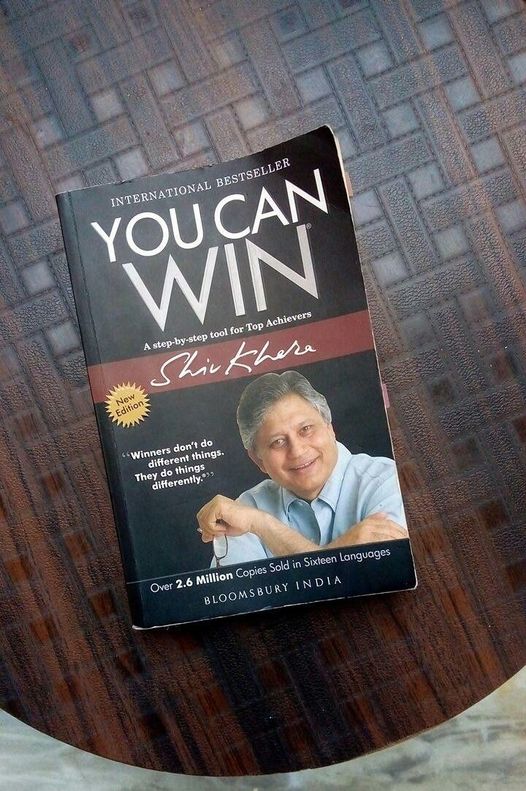
You Can Win

 Here are 5 lessons from You Can Win: A step by step tool for top achievers by shiv Khera


1. The Power of Positive Thinking: Khera emphasizes the importance of maintaining a positive attitude and mindset. He argues that positive thinking is essential for achieving success, as it enables individuals to overcome obstacles, stay motivated, and persevere in the face of challenges.

2. Setting Clear Goals: The book underscores the importance of setting clear, specific goals and creating a plan to achieve them. Khera suggests that having well-defined goals provides direction and focus, helping individuals to prioritize their efforts and stay on track towards success.

3. Taking Action: Khera encourages readers to take proactive steps towards their goals rather than waiting for opportunities to come their way. He emphasizes the importance of initiative, determination, and persistence in achieving success, highlighting the value of hard work and effort.

4. Continuous Learning and Improvement: The book promotes a mindset of continuous learning and self-improvement. Khera suggests that successful individuals are committed to ongoing personal and professional development, seeking out opportunities to learn, grow, and expand their skills and knowledge.

5. Resilience in the Face of Failure: Khera acknowledges that failure is a natural part of the journey to success. He encourages readers to view failure as a learning experience rather than a setback, emphasizing the importance of resilience, perseverance, and the ability to bounce back from setbacks.

More to read:

Thursday, October 24, 2024

It's Never Too Late to Begin Again

 Here are seven key lessons from the book "It's Never Too Late to Begin Again: Discovering Creativity and Meaning at Midlife and Beyond" by Julia Cameron:


1. Start Where You Are:

Cameron encourages readers to embrace their current circumstances and start from where they are, rather than waiting for the perfect moment or until they feel ready.

2. Cultivate Self-Compassion:

The book emphasizes the importance of treating oneself with kindness, understanding, and patience, just as one would a close friend.

3. Embrace Your Inner Beginner:

Cameron reminds us that it's okay to be a beginner, and that starting anew requires a willingness to learn and grow.

4. The Power of Small Steps:

The author shows how taking small, incremental steps can lead to significant progress and transformation over time.

5. The Importance of Morning Pages:

Cameron's signature practice of Morning Pages helps clear the mind, prioritize goals, and cultivate creativity and clarity.

6. Discover Your Inner Wisdom:

The book guides readers to tap into their inner wisdom, trust their instincts, and make decisions that align with their values and passions.

7. It's Never Too Late for a Fresh Start:

Cameron's core message is that it's never too late to begin again, make a change, or pursue a long-held dream. Every moment offers a new opportunity to start anew.

These lessons offer a supportive and encouraging guide for anyone looking to make a fresh start, pursue their passions, or simply cultivate a more mindful and creative approach to life.

More to read:

High Performance Habits

 7 lessons from "High Performance Habits: How Extraordinary People Become That Way" by Brendon Burchard:


  1. High performers constantly seek clarity about who they are, what they want, and how to achieve it. This involves setting clear intentions and understanding their values and strengths.
  2. Maintaining high levels of energy is crucial for high performance. This means taking care of physical health through exercise, nutrition, and rest, as well as managing emotional and mental energy.
  3. High performers raise the necessity of their actions by connecting their identity, values, and goals to their performance. They feel a deep sense of commitment and urgency about their mission.
  4. Focus on high-impact activities that move you closer to your goals. High performers prioritize tasks, manage their time efficiently, and avoid distractions to maximize productivity.
  5. Building and maintaining positive relationships is key to high performance. High performers develop influence by being role models, showing genuine interest in others, and effectively communicating their vision.
  6. High performers consistently demonstrate courage by taking bold actions, speaking up for themselves and others, and facing challenges head-on. They take risks and learn from failures.
  7.  Regular self-reflection is essential for continuous improvement. High performers take time to reflect on their progress, learn from experiences, and make necessary adjustments to stay on track with their goals.
More to read:

Wednesday, October 23, 2024

Fired Up!

 Fired Up!: How the Best of the Best Survived and Thrived After Getting the Boot by Harvey Mackay

Here are the 10 lessons from "Fired Up" by Harvey Mackay:


1. Set clear goals: Establish a clear direction and focus on what you want to achieve.

2. Believe in yourself: Develop a strong sense of self-confidence and self-worth.

3. Build a support network: Surround yourself with positive, supportive people who encourage and motivate you

4. Take calculated risks: Step out of your comfort zone and take bold actions to achieve your goals.

5. Embrace failure: View failure as an opportunity to learn and grow.

6. Stay focused: Maintain a clear focus on your goals and avoid distractions.

7. Practice effective time management: Use your time wisely and prioritize tasks to achieve your goals.

8. Develop strong communication skills: Learn to listen actively and communicate clearly and effectively.

9. Continuously learn and improve: Stay curious and committed to ongoing learning and self-improvement.

10. Stay adaptable: Remain flexible and open to change, and be willing to pivot when necessary.

More to read:

Tuesday, October 22, 2024

The Monk Who Sold His Ferrari

 15 Lessons from the book "The Monk Who Sold His Ferrari" by Robin Sharma:


  1. The quality of your life is determined by the quality of your thoughts. 
  2. Success is nothing more than a few simple disciplines practiced every day. 
  3.  Greatness begins beyond your comfort zone. 
  4. The purpose of life is a life of purpose. 
  5. Your time is limited, so don't waste it living someone else's life. 
  6. Learn to forgive others, not because they deserve forgiveness, but because you deserve peace. 
  7. The mind is a wonderful servant but a terrible master. 
  8. Small daily improvements over time lead to stunning results. 
  9. You cannot change your destination overnight, but you can change your direction overnight. 
  10. The secret of happiness is simple: find out what you truly love to do and then direct all your energy towards doing it. 
  11. The only limits on your life are the ones you set yourself. 
  12. Happiness is a journey, not a destination. 
  13. Knowledge is potential power. Action is the power. 
  14. Don't wait for extraordinary opportunities. Seize common occasions and make them great. 
  15. What lies behind us and what lies before us are tiny matters compared to what lies within us.

Thanks for reading. 

You can find more Books keytakeaways:


Monday, October 21, 2024

The Solomon Secret

 "The Solomon Secret" by Bruce Fleet and Elihu Goldratt draws upon the wisdom of King Solomon, often considered one of the wisest men in history, to offer practical advice for personal and financial success. Here are some key points from the book:


1. Wisdom and Wealth: The book emphasizes that true wealth is not just about financial riches but also about wisdom and understanding. Solomon’s wealth was a result of his wisdom, suggesting that knowledge and insight can lead to material prosperity.

2. The Value of Knowledge: One of the core principles is the importance of continuous learning and seeking knowledge. Just as Solomon asked for wisdom to govern his people effectively, individuals should prioritize gaining knowledge and understanding in their personal and professional lives.

3. Decision Making: The book highlights the importance of making informed and thoughtful decisions. Solomon’s ability to make wise judgments is a central theme, and the authors stress that careful consideration and analysis are crucial for successful outcomes.

4. Integrity and Ethics: Integrity is portrayed as a cornerstone of lasting success. Solomon’s reign is depicted as just and fair, and the book argues that ethical behavior and honesty are essential for building trust and achieving long-term success.

5. Diligence and Hard Work: The authors convey that diligence and hard work are vital components of Solomon's wisdom. The book encourages readers to be industrious and persistent in their efforts, as consistent hard work often leads to success.

6. Prioritizing Relationships: Building and maintaining strong relationships is another key theme. Solomon’s wisdom in dealing with people and fostering alliances is presented as a model for personal and professional interactions.

7. Vision and Planning: The importance of having a clear vision and strategic planning is underscored. Solomon’s foresight in building the Temple and other projects is used as an example of how having a long-term vision and meticulous planning can lead to significant achievements.

8. Generosity and Giving Back: Generosity is highlighted as a virtue that brings its own rewards. The book discusses the benefits of giving back to the community and helping others, suggesting that generosity can create a positive impact and contribute to one's legacy.

9. Balance and Moderation: Solomon’s advice often includes the principle of balance and avoiding extremes. The book advises readers to seek moderation in all areas of life, from work and finances to personal habits and relationships.

10. Seeking Counsel: The wisdom of seeking advice from others is another important lesson. Solomon’s willingness to listen to his advisors is used to illustrate the value of collaboration and learning from the experiences and insights of others.

By drawing lessons from Solomon’s life and reign, "The Solomon Secret" provides practical guidance aimed at helping readers achieve success and fulfillment in various aspects of their lives.

More to read:

Words can change your brain

 Words can change your brain by Andrew Newberg I've said things in an argument that I regretted the second they left my mouth. This book...